

Constipation is something almost everyone deals with at some point, but very few people talk about it openly. Whether it’s a change in routine, travel, stress, or just a rough week of eating, being backed up is uncomfortable and draining. The frustrating part is that most people are already taking supplements, they’re just not taking them the right way. Small tweaks to timing, dosage, and combinations can make a surprisingly big difference. Here are 8 hacks that actually deliver results.
Your Magnesium Is Working Against You. Here’s the Fix
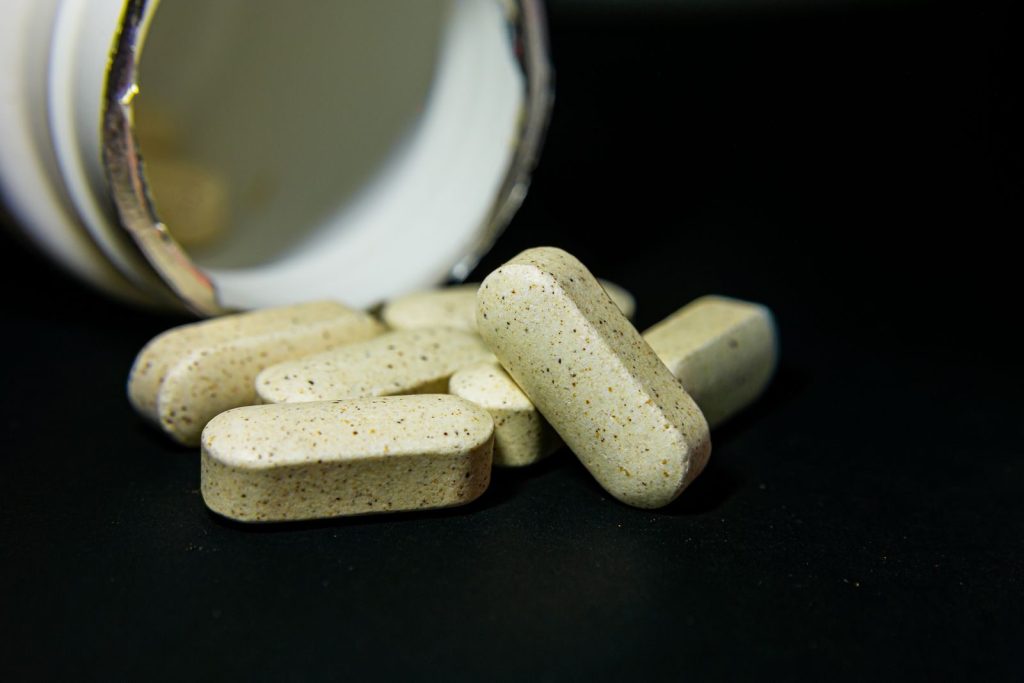
Most people take magnesium citrate in the morning and wonder why nothing happens. The trick is timing. This mineral takes 6 to 8 hours to work, so taking it right before bed means your body does all the heavy lifting overnight and you wake up ready to go. Simple switch, big difference.
If your stomach tends to be on the sensitive side, magnesium glycinate is a gentler option that still gets the job done.
You’re Probably Taking Psyllium Husk Wrong

Psyllium husk is one of the most effective fiber supplements out there but only when you take it with a full glass of water. Without enough water, it can actually slow things down instead of helping. It needs liquid to form the gel-like bulk that makes stool easier to pass.
One full glass of water every single time, no shortcuts. Start with a small amount daily and work your way up gradually.
Stop Buying the Wrong Probiotic for Constipation

Not all probiotics are created equal and most generic blends won’t do much for regularity. The strains that actually matter here are Bifidobacterium lactis and Lactobacillus reuteri. These are the ones most studied for stool frequency and consistency. If your probiotic label doesn’t list these specifically, it may be supporting other things but not this.
Look for these strains clearly listed on the label and give it a solid four weeks before deciding if it is working.
Senna Works Best When You Don’t Use It Every Day
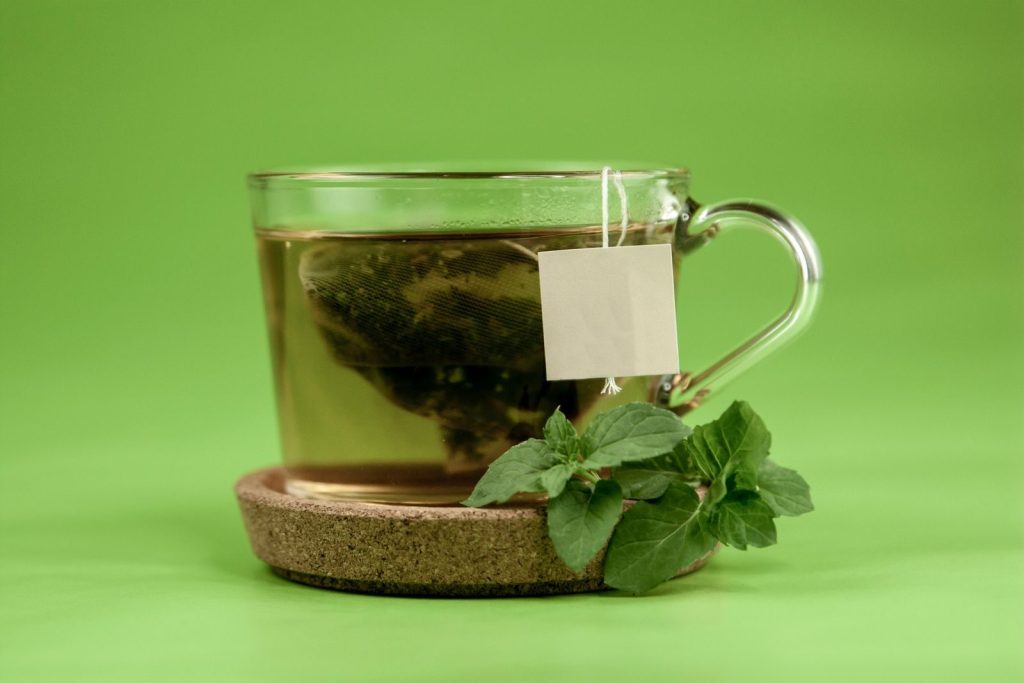
Senna is fast acting and comes from a plant, so people often assume it is fine to use daily. The real hack is restraint. Use it as an occasional reset when you have been stuck for a couple of days, not as a daily go-to. That way it stays effective and does its job without your gut getting too used to it.
Taking it at bedtime with a glass of water gives you the best timing for results.
Vitamin C Can Do a Lot More Than Just Fight Colds

Here is one most people genuinely don’t know. Vitamin C at higher amounts has a well-known loosening effect on the gut. It pulls water into the intestines, softening stool and encouraging movement. It is a common trick used during travel or whenever diet goes sideways and things slow down.
If it feels a little harsh on your stomach, buffered vitamin C, known as sodium ascorbate, is a milder alternative with the same effect.
This Ancient Three-Fruit Blend Has Modern Research Backing It Up
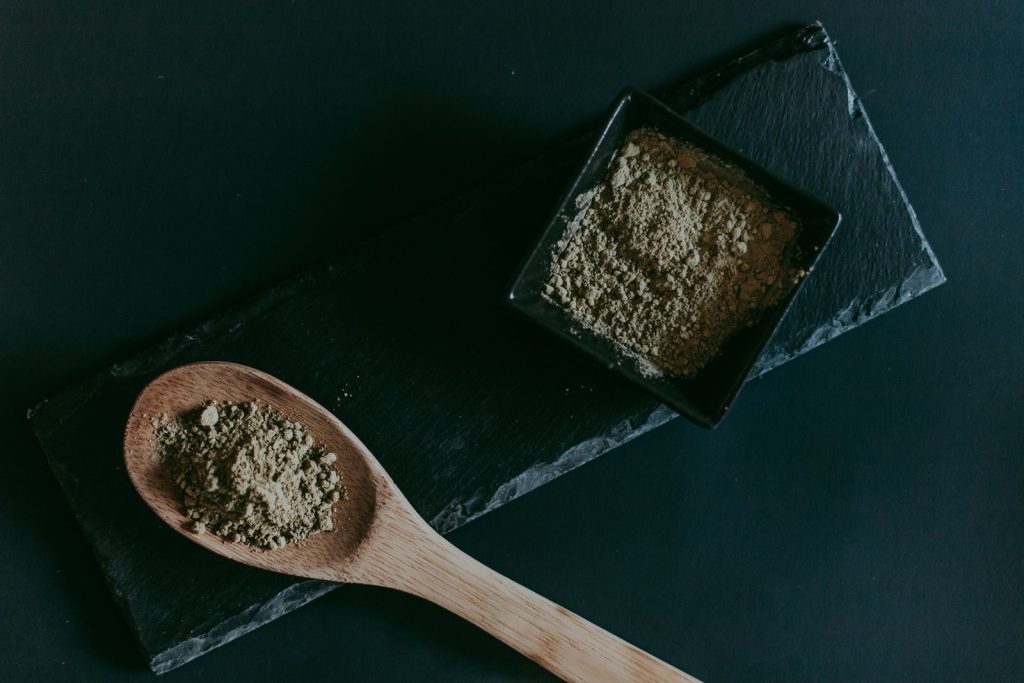
Triphala is made from three fruits used in Ayurvedic tradition for hundreds of years: amla, bibhitaki, and haritaki. What makes it interesting today is that it has held up in modern research too, with studies looking at its effects on stool frequency and consistency. It works gradually and is generally considered suitable for regular use, unlike faster-acting options.
Give it two to four weeks to build up and show results.
Probiotics Work Much Better When You Feed Them

Taking a probiotic without a prebiotic is like planting seeds without watering them. Prebiotics feed the beneficial bacteria that probiotics introduce and together they work significantly better for regularity than either one alone. The best options for this purpose are inulin, FOS, and partially hydrolyzed guar gum, all of which specifically support the gut bacteria linked to regular bowel movements.
Start with a small amount of prebiotic and increase slowly to avoid gas and bloating along the way.
The Simple Timing Mistake That Makes Fibre Supplements Less Effective

If you take fiber supplements at the same time as your other vitamins, you might be cancelling out both. Psyllium in particular can bind to other nutrients in your gut and reduce how well they absorb. The fix is easy. Just separate them by two hours. Morning fiber and evening vitamins, or the other way around. Easy routine, no wasted supplements.