

Ginger is a fragrant, flavorful root that can add zest to cooking, teas, and wellness remedies. While it is often grown in tropical climates, ginger can also thrive in pots indoors or on patios, making it accessible for gardeners in many regions. Growing ginger in containers allows better control over soil, light, and moisture, which is especially important for this tropical plant.
Here are 8 tips for growing fresh ginger successfully in pots.
1. Start With Healthy Rhizomes
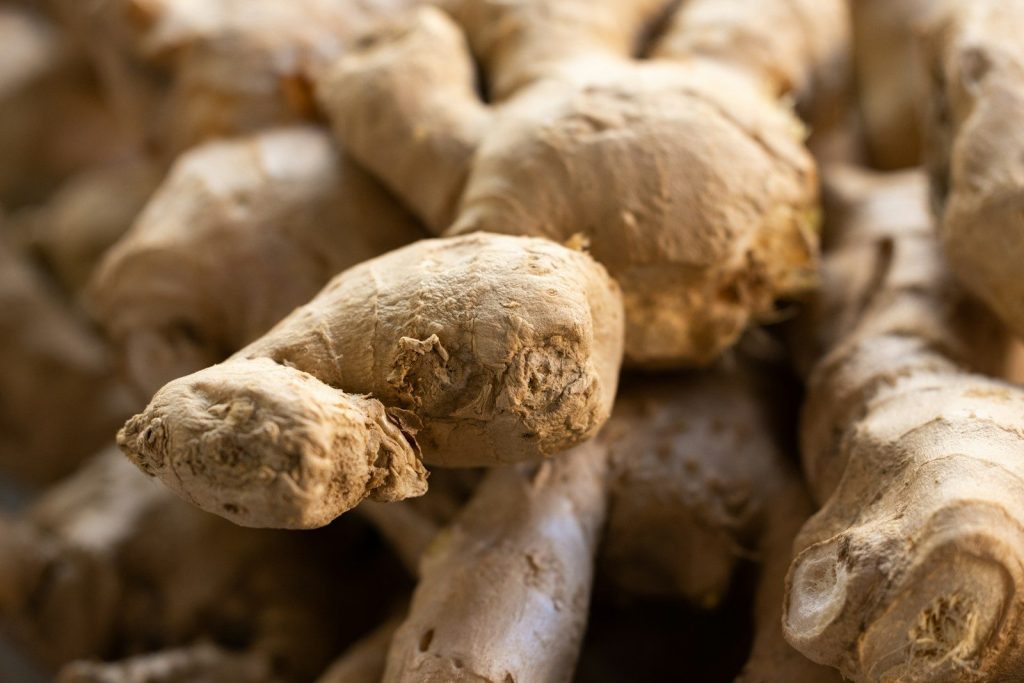
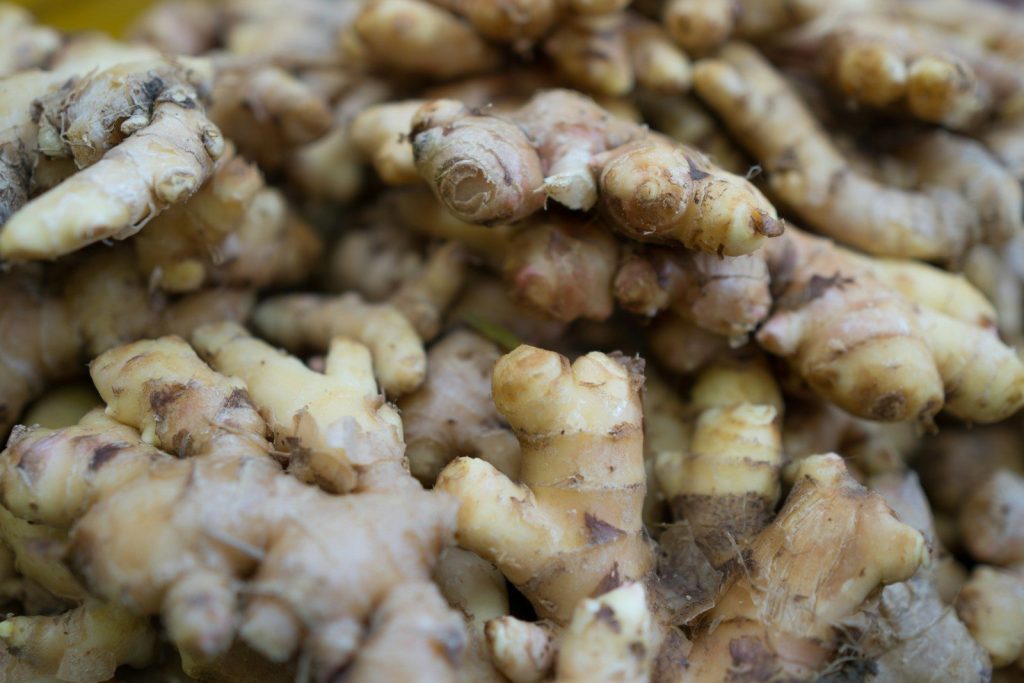
Select firm, plump ginger rhizomes with visible “eyes” or growth buds. Avoid shriveled or moldy roots, as these are less likely to sprout successfully. Planting healthy rhizomes is the first step toward a strong, productive plant.
2. Choose the Right Container
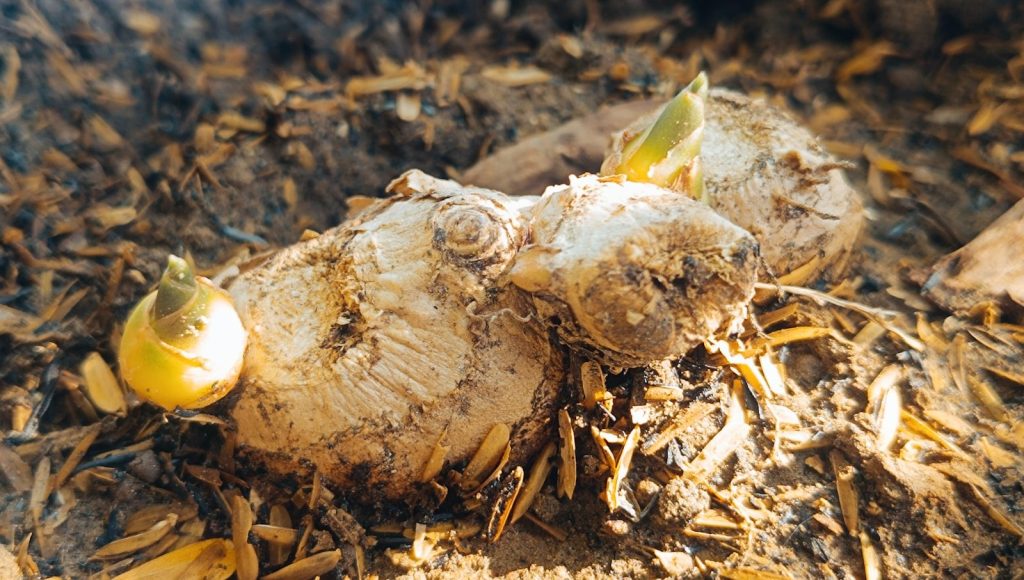
Use a wide, shallow pot rather than a deep one. Ginger grows horizontally, so wider containers allow the rhizomes to spread naturally. Ensure the pot has drainage holes to prevent waterlogged soil.
3. Use Rich, Well-Draining Soil
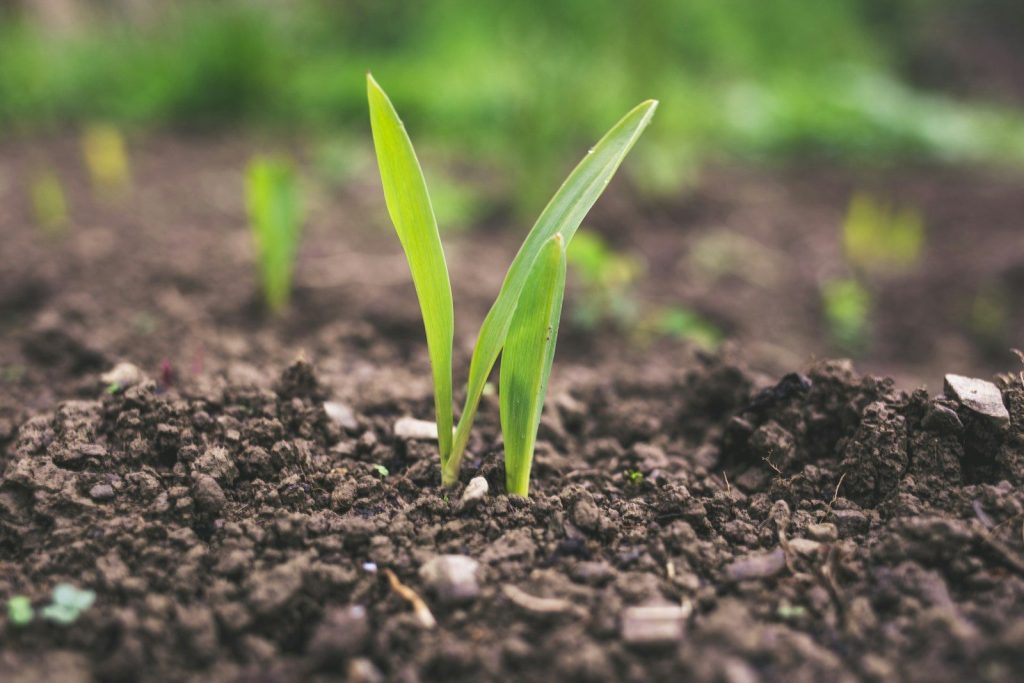
Ginger prefers loose, loamy soil with plenty of organic matter. A mix of potting soil and compost or well-rotted manure works well. Avoid heavy clay soils that can hold too much water and cause root rot.
4. Plant Rhizomes Correctly
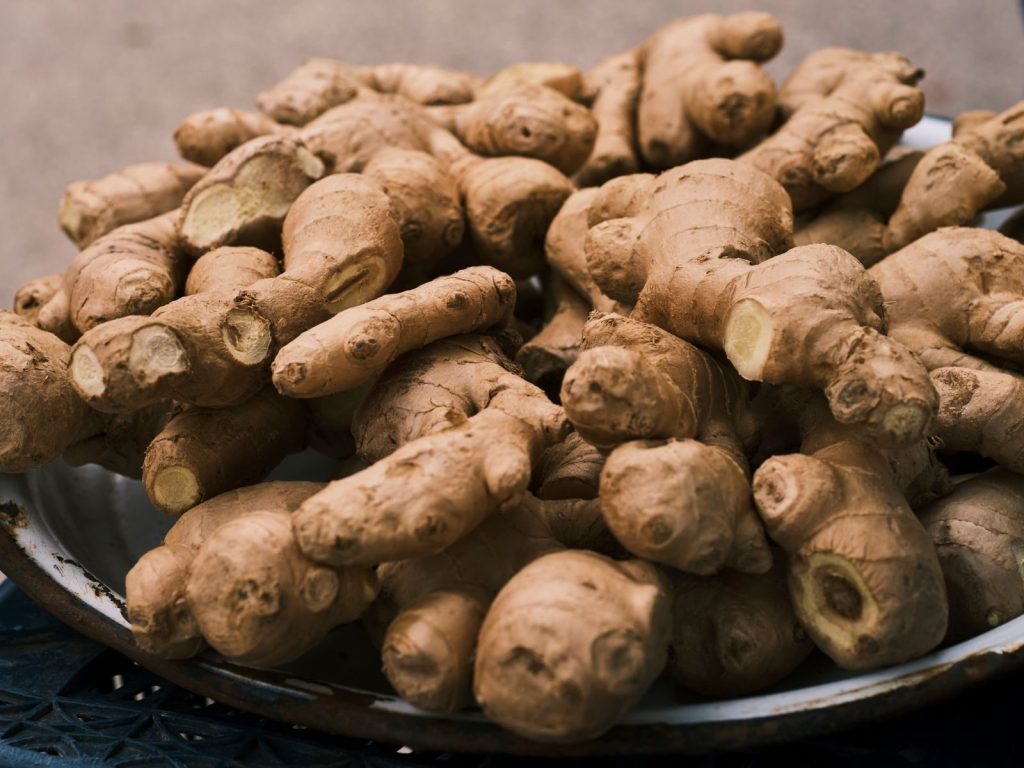
Place the rhizome pieces with the buds facing upward, about 1–2 inches below the soil surface. Space multiple pieces a few inches apart to allow room for growth. Water lightly after planting to settle the soil.
5. Provide Warm, Indirect Light
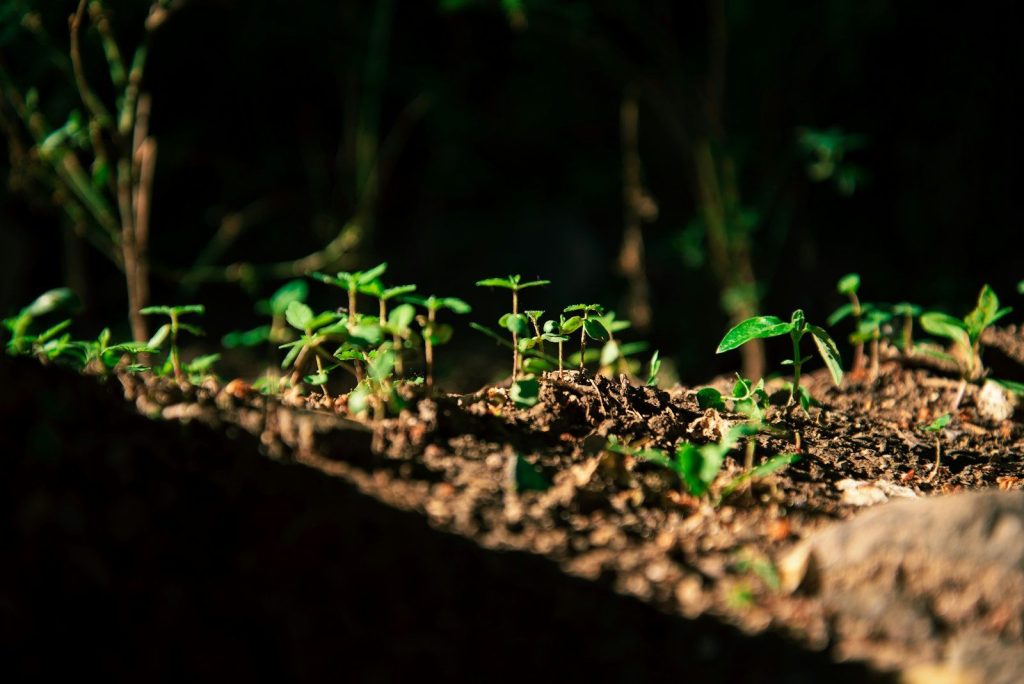
Ginger thrives in warm conditions with bright, indirect sunlight. Avoid direct harsh sun, which can scorch the leaves, especially indoors. South- or east-facing windows often provide ideal light levels.
6. Maintain Consistent Moisture
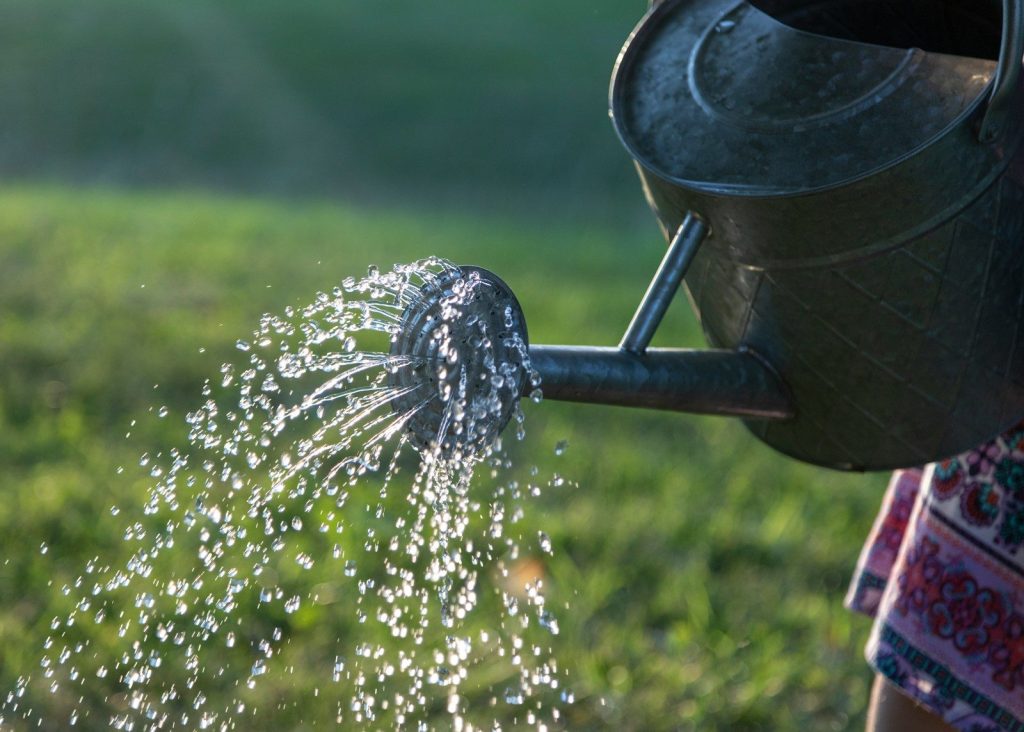
Ginger likes evenly moist soil but does not tolerate soggy conditions. Water whenever the top inch of soil feels dry, and reduce watering slightly in cooler months when growth slows. Overwatering can cause rhizomes to rot.
7. Fertilize Regularly
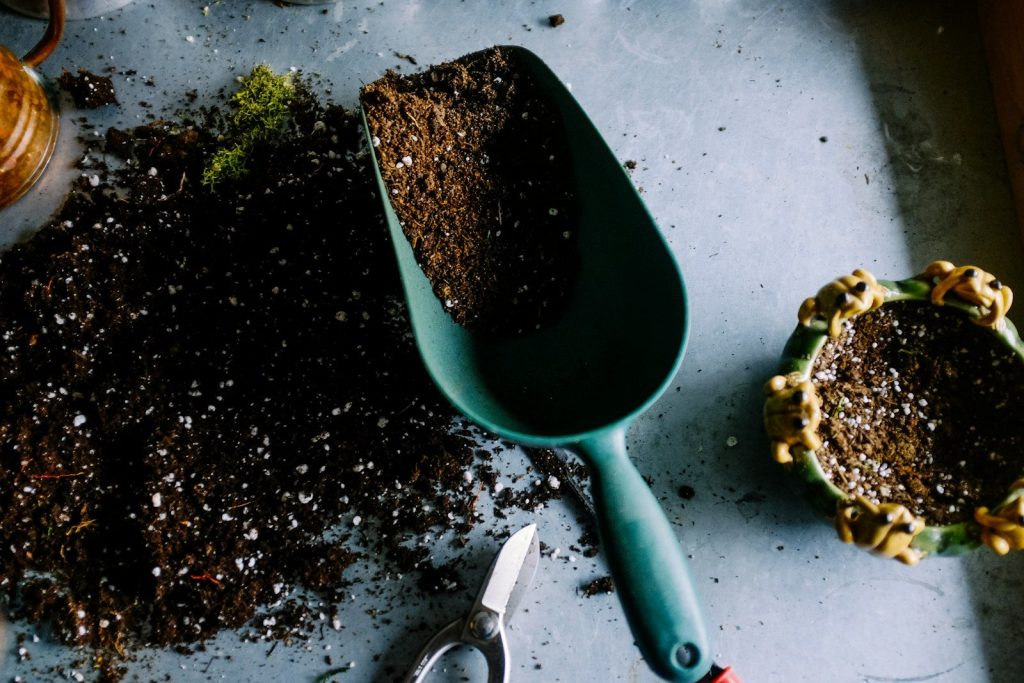
Feed potted ginger with a balanced liquid fertilizer or compost tea every few weeks during the growing season. Nutrients encourage strong leaf growth and help rhizomes develop fully for harvest. Avoid excessive nitrogen, which may produce leaves at the expense of root development.
8. Control Temperature and Humidity
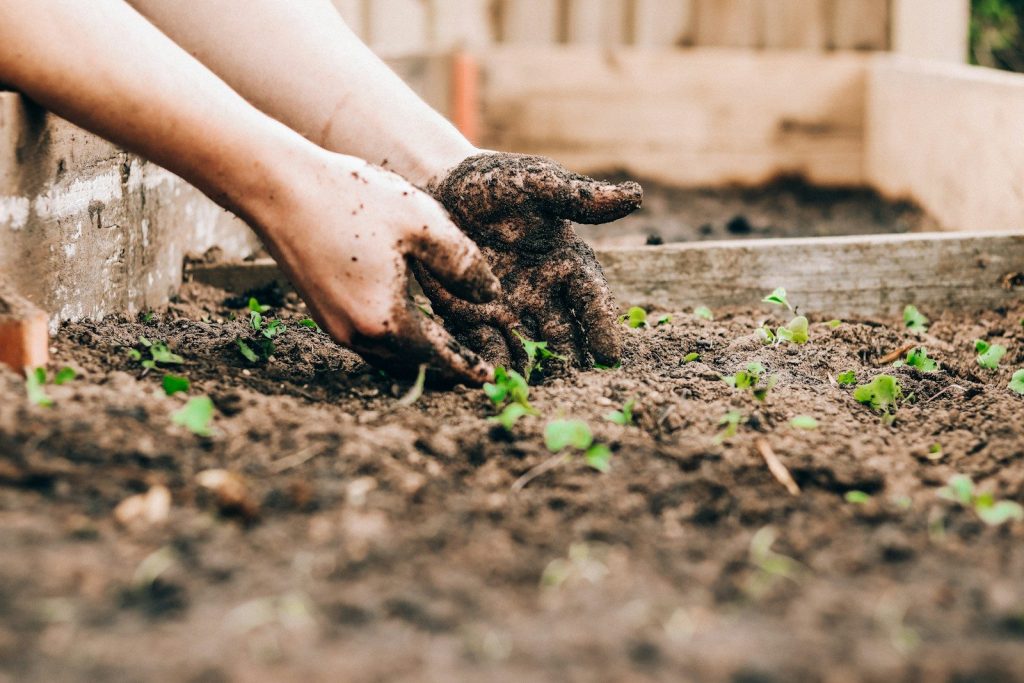
Ginger grows best in temperatures between 70–85°F (21–29°C) and with moderate humidity. If growing indoors, avoid placing pots near drafts, heating vents, or air conditioning. Mist leaves occasionally if air is dry.
Final Thoughts
Growing ginger in pots is a rewarding project for gardeners of all levels. With proper planting, soil, light, and water management, you can enjoy fresh, homegrown ginger for cooking, teas, and natural remedies. Container gardening also allows flexibility to move plants indoors during cooler months, ensuring steady growth throughout the year.