

Small evening choices can make inflammation easier to manage, especially when they support better sleep, steadier blood sugar, and a more anti-inflammatory eating pattern. Experts often point to whole foods, fiber, omega-3s, olive oil, stress control, movement, and sleep as useful inflammation-friendly habits
Build Dinner Around Olive Oil And Colourful Vegetables
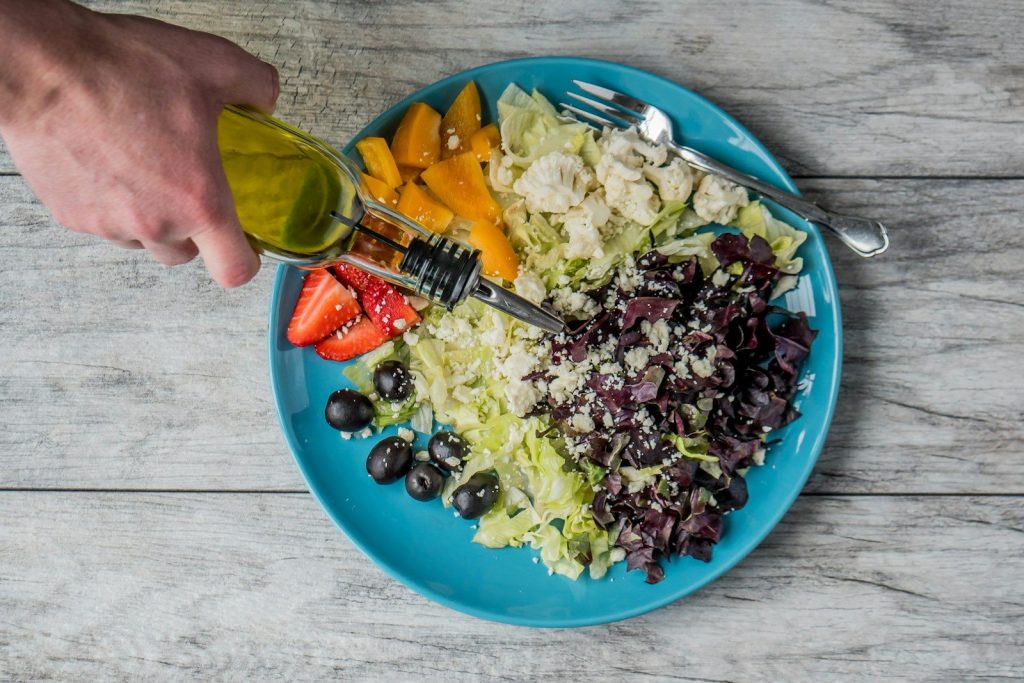
A good anti-inflammatory dinner does not need to be complicated. Start with vegetables like spinach, tomatoes, bell peppers, broccoli, or greens, then add olive oil as the main fat.
This gives your plate antioxidants, fiber, and healthy fats without making the meal feel like a strict diet. Harvard Health lists olive oil, leafy greens, tomatoes, nuts, fatty fish, and berries among inflammation-fighting foods
Add Fatty Fish To Your Evening Rotation

Salmon, sardines, mackerel, and tuna can make dinner more inflammation-friendly because they contain omega-3 fats. These fats are linked with blocking some compounds involved in inflammatory responses.
Try pairing fish with roasted vegetables, lentils, or a simple salad so the whole meal works together.
Use Beans Or Lentils As A Nighttime Fiber Boost
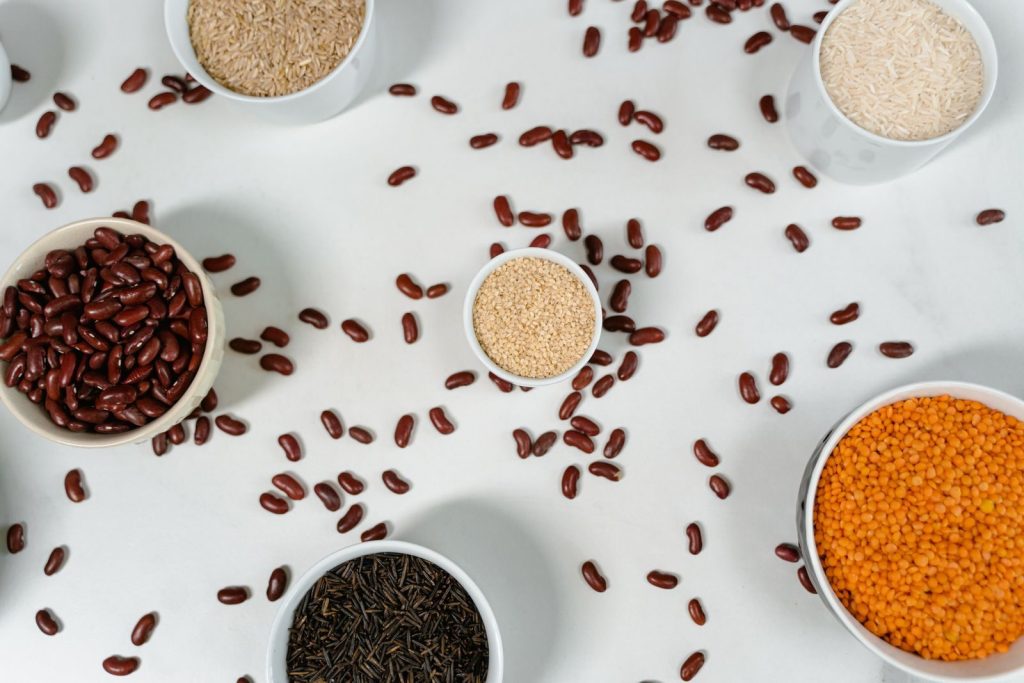
Beans, lentils, chickpeas, oats, quinoa, nuts, and seeds all bring fiber, which supports gut health and steadier blood sugar. Mayo Clinic notes that fiber-rich plant foods can help reduce inflammation by supporting healthy gut bacteria.
A small bowl of lentil soup, chickpea salad, or bean-based dinner can feel filling without being heavy.
Swap Sugary Evening Snacks For Berries Or Cherries

Evening cravings are where inflammation-friendly habits often fall apart. Instead of cookies or candy, keep berries, cherries, oranges, or a few walnuts ready.
These foods still feel snackable, but they bring antioxidants, fiber, and healthy fats instead of added sugar. Harvard Health includes berries, cherries, oranges, and nuts in an anti-inflammatory eating pattern.
Take A Gentle Walk After Dinner

A short walk after dinner can help with blood sugar control, digestion, and stress. Mayo Clinic also recommends regular physical activity as part of an inflammation-friendly lifestyle.
It does not have to be intense. Even a relaxed walk around the block can make the evening feel calmer.
Sip An Herbal Tea Before Bed
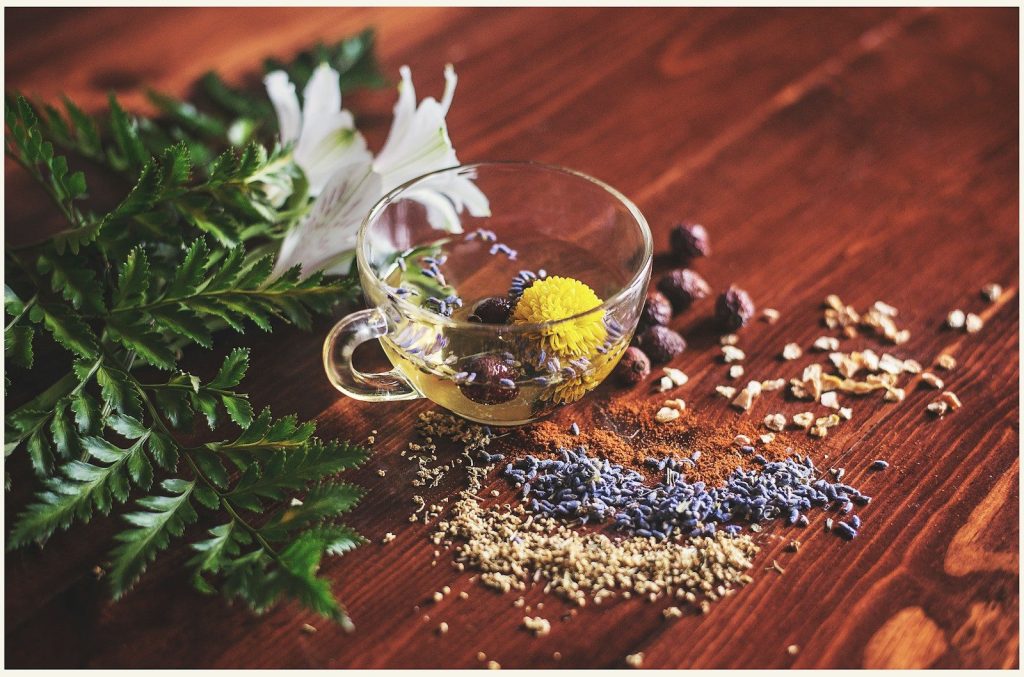
A warm cup of herbal tea can be a simple addition to an inflammation-friendly evening routine. Options such as chamomile, ginger, peppermint, and hibiscus contain plant compounds that have been studied for their potential anti-inflammatory and antioxidant properties.
Beyond the tea itself, the habit of slowing down with a caffeine-free drink before bed may also support better sleep, which plays an important role in helping the body regulate inflammation and recovery overnight
End The Evening With Meditation

A few minutes of meditation before bed can help quiet racing thoughts and ease the stress that often contributes to poor sleep. Even a short guided session, mindful breathing exercise, or a few moments of quiet reflection can help create a calmer transition into the night.
You can strengthen the habit by pairing it with other relaxing evening routines such as dimming the lights, putting away screens earlier, journaling, or reading a few pages of a book. If you like a light bedtime snack, options such as walnuts, tart cherries, kiwi, or a small serving of Greek yogurt fit well into an inflammation-conscious eating pattern. Together, these habits can help support better rest, which plays an important role in the body’s recovery and inflammation regulation overnight.