

Most houseplant problems don’t start with watering. They start below the surface.
Yellow leaves, slow growth, fungus gnats, root rot, and constantly drooping plants are often signs that the soil isn’t working as well as it should. Fortunately, a few clever soil tricks can make a surprising difference without requiring expensive fertilizers or complicated plant care routines.
These are the houseplant soil hacks plant enthusiasts swear by for healthier, happier indoor plants.
Add A Layer Of Orchid Bark To Potting Mix
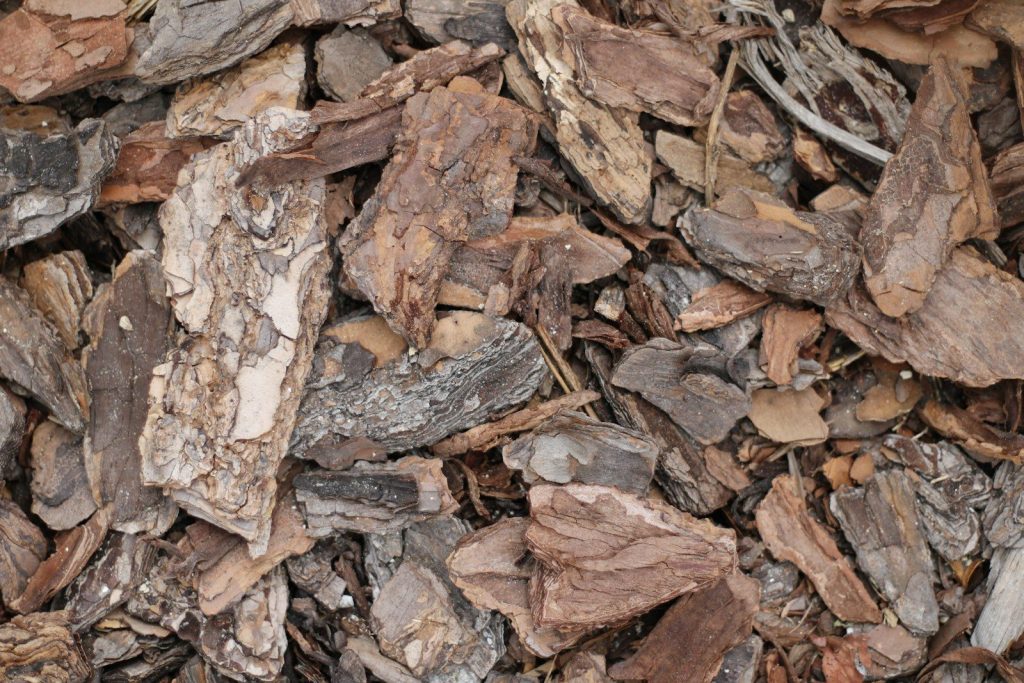
Many popular houseplants, including monsteras, pothos, philodendrons, and alocasias, naturally grow in environments where roots receive plenty of airflow.
Mixing orchid bark into standard potting soil creates air pockets that help roots breathe and reduce the risk of soggy conditions. Many plant collectors consider it one of the easiest upgrades for tropical plants.
Sprinkle Cinnamon On Freshly Cut Roots
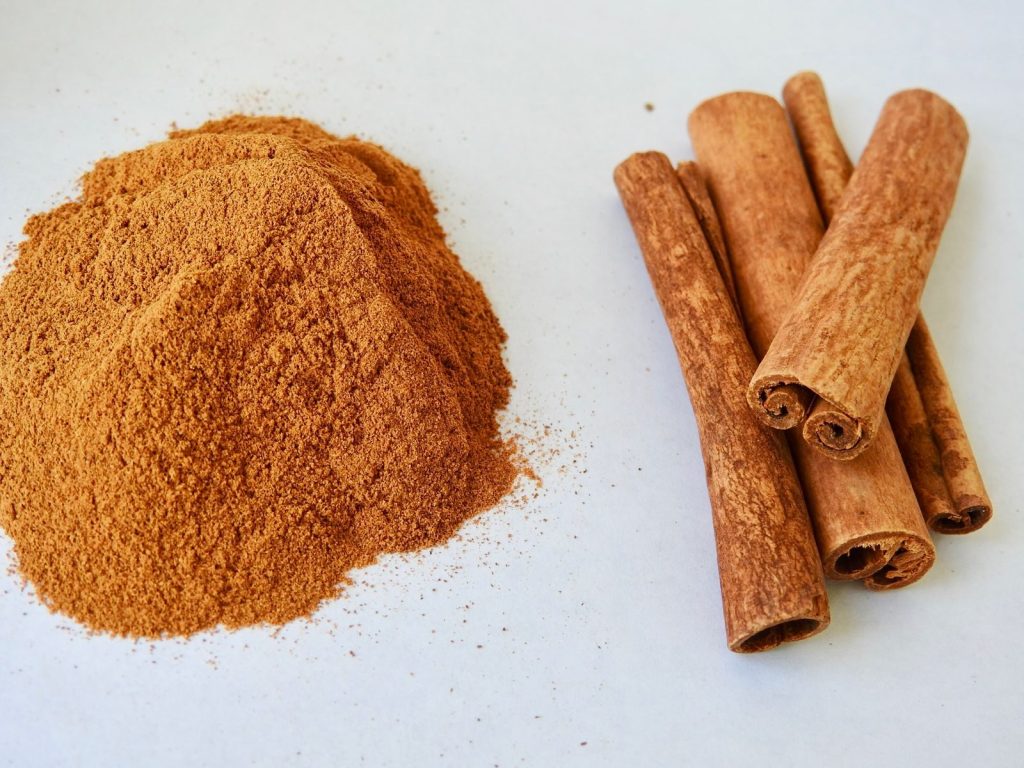
Repotting sometimes means trimming damaged roots, but those cuts can leave plants vulnerable.
A light dusting of ground cinnamon on freshly cut root sections is a longtime gardening trick. While it’s not a replacement for proper plant care, many growers use it because cinnamon has natural properties that may help discourage certain fungal issues around wounds.
Top-Dress Soil With Worm Castings Instead Of Liquid Fertilisers
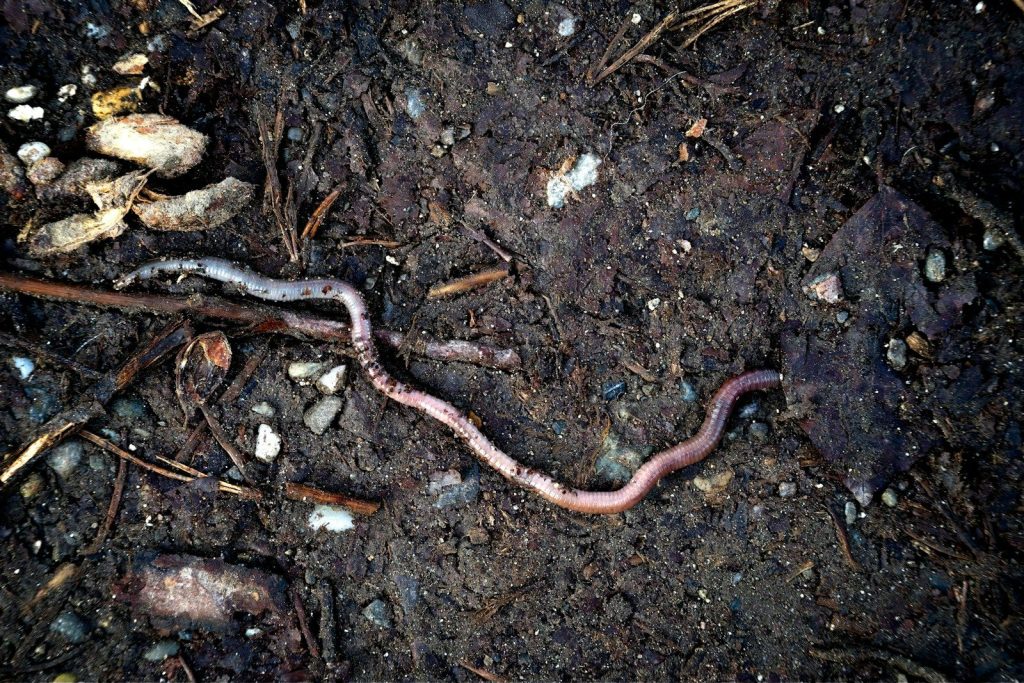
Liquid fertilizers work quickly, but worm castings provide nutrients more gradually.
Adding a thin layer to the soil surface allows nutrients to slowly work their way down during watering. Many indoor gardeners use worm castings to support steady growth without worrying about fertilizer burn.
Mix Activated Charcoal Into Potting Soil
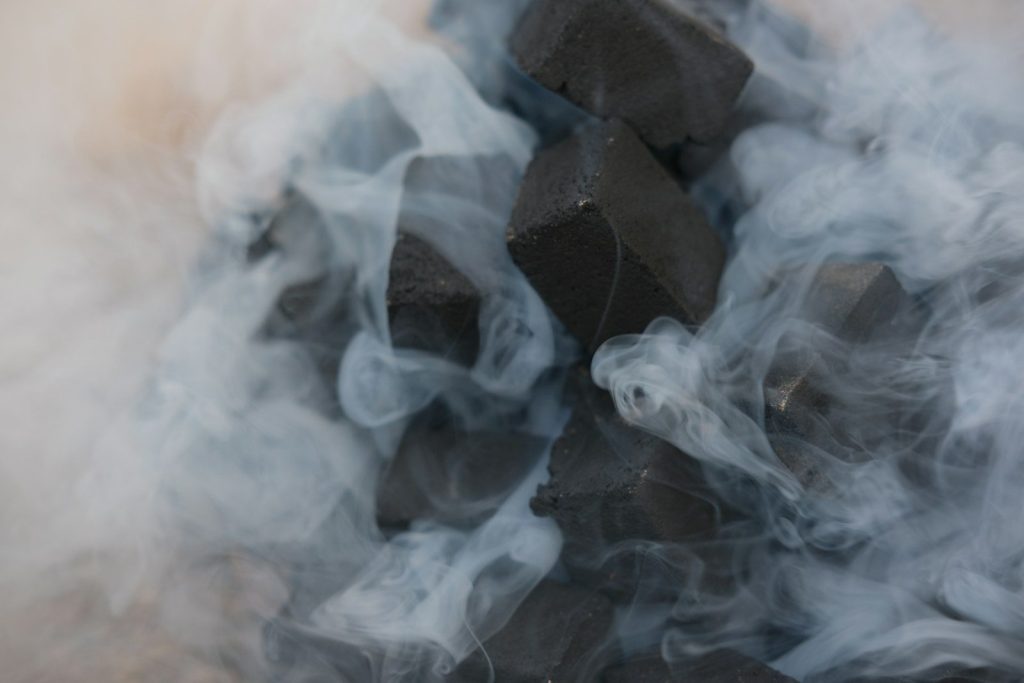
Activated charcoal isn’t just for terrariums.
Some houseplant enthusiasts add a small amount to potting mixes because it can help absorb impurities, improve drainage, and reduce odors in containers. It’s particularly popular in decorative pots where moisture tends to linger longer.
Use Different Soil Recipes For Different Plants
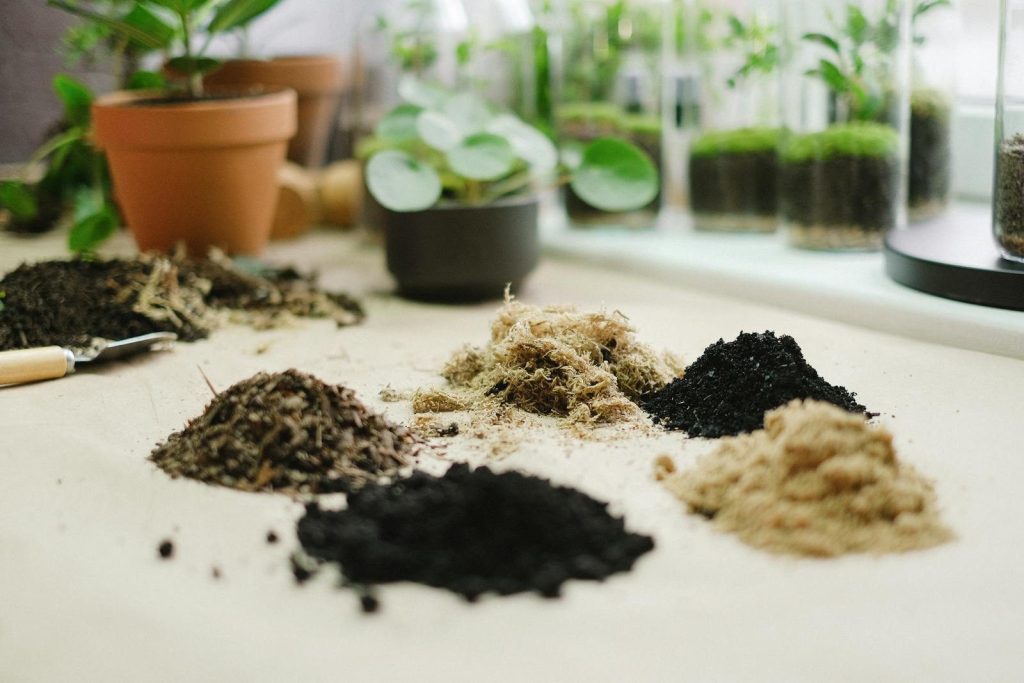
One of the biggest houseplant mistakes is using the same potting mix for everything.
Snake plants, cacti, and succulents prefer fast-draining soil, while peace lilies and ferns generally enjoy more moisture retention. Matching the soil blend to the plant often improves growth more than any fertilizer ever could.
Add A Thin Layer Of Sand To Fight Fungus Gnats
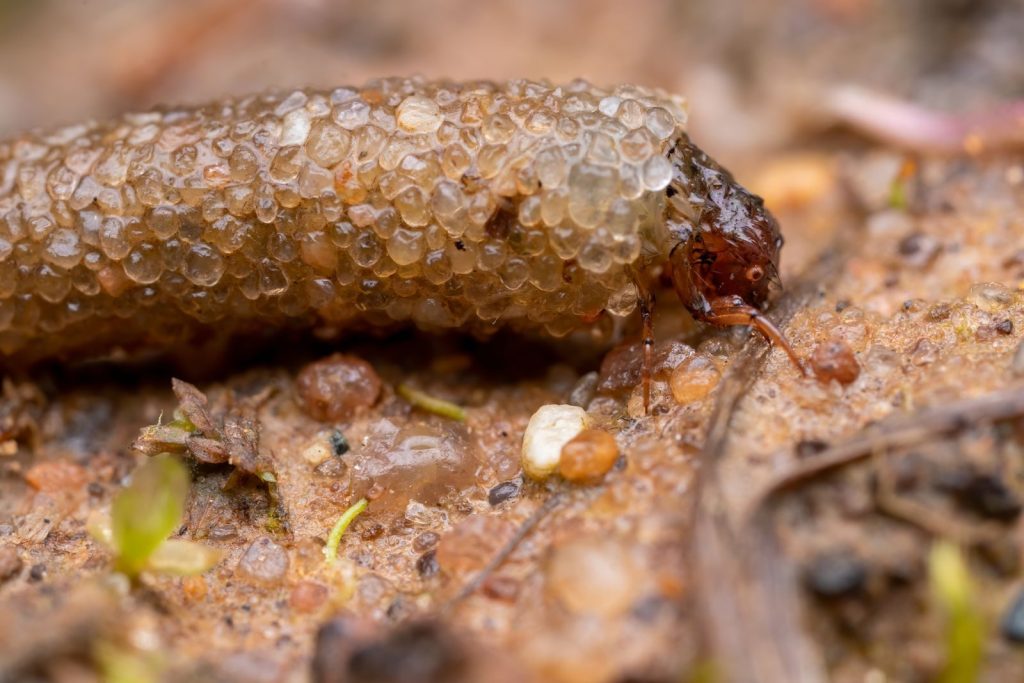
Fungus gnats love laying eggs in moist soil surfaces.
A layer of coarse sand on top of the potting mix can make it harder for adults to access the soil while helping the surface dry out faster between waterings. Many indoor gardeners use this trick alongside sticky traps for better results.
Refresh The Top Few Inches Instead Of Repotting
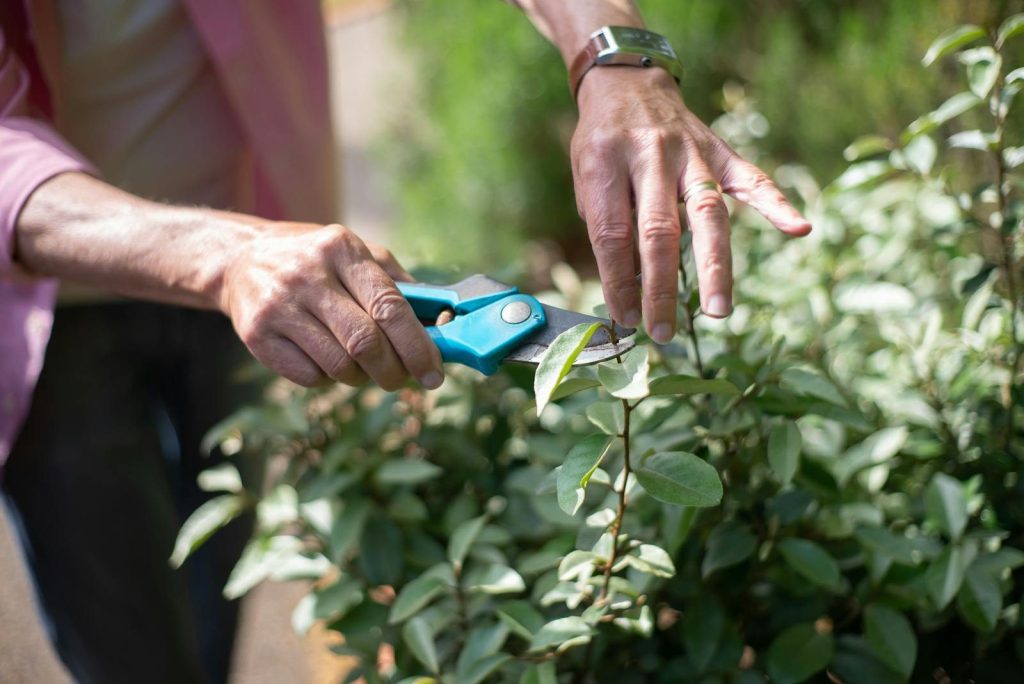
Repotting isn’t always necessary.
When a plant has outgrown the nutrients in its soil but doesn’t need a larger pot, removing the top few inches of old mix and replacing it with fresh potting soil can provide a quick boost. It’s a favorite trick for large floor plants that are difficult to repot.
Add Rice Hulls For Lightweight Drainage
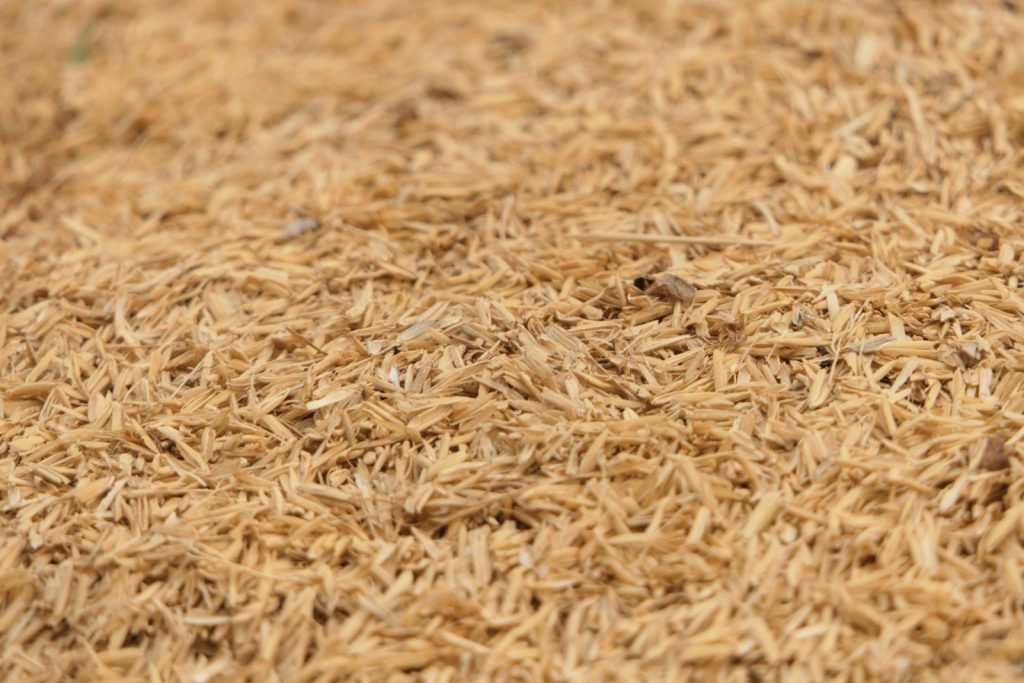
Perlite gets most of the attention, but rice hulls are becoming increasingly popular among plant enthusiasts.
These lightweight natural materials improve drainage and aeration while gradually breaking down over time. Many gardeners appreciate them as a more sustainable alternative to some traditional soil additives.
Great Plants Start With Great Soil
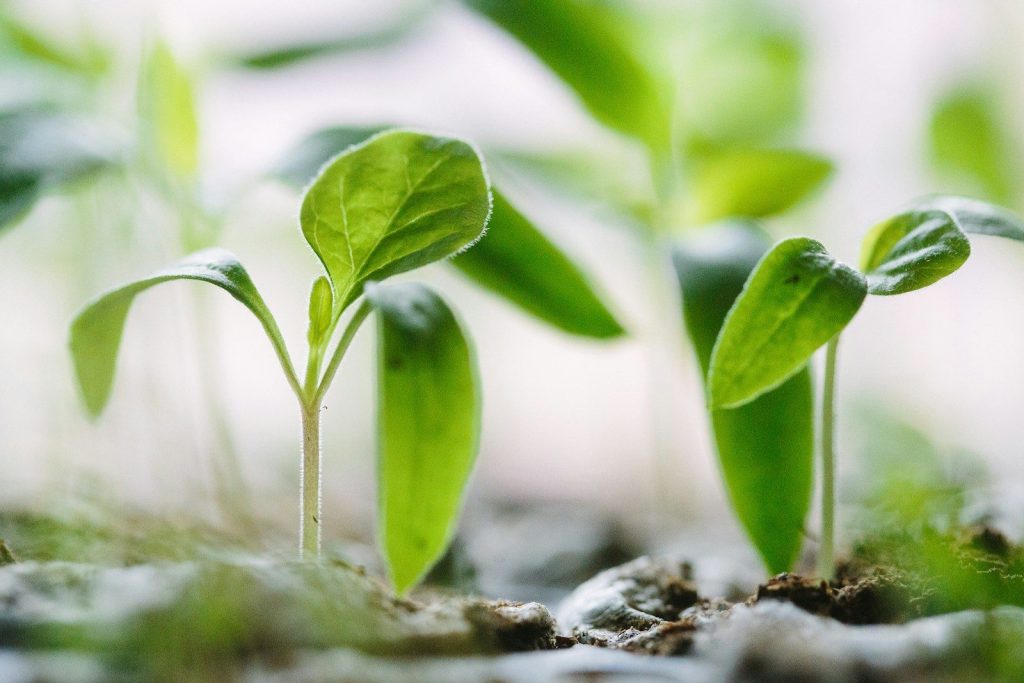
It’s easy to focus on watering schedules and sunlight, but healthy roots are the foundation of every thriving houseplant. Small soil upgrades like adding bark, refreshing old mixes, improving drainage, or using worm castings can often solve problems before they ever show up above the soil line. Sometimes the healthiest plant hack is simply giving the roots a better place to grow.