

Achy knees, stiff fingers, and sore hips are often blamed on getting older, but what you eat can play a surprisingly important role in how your joints feel day to day. While no food can magically erase joint pain, certain eating habits may help support healthy inflammation levels, protect cartilage, and provide nutrients that joints rely on to function properly.
Here are eight smart food hacks that experts say deserve far more attention.
Start Your Day With Protein Instead Of Pastries

Many breakfast foods are loaded with refined carbohydrates that can cause blood sugar spikes and crashes. Some research suggests that consistently high blood sugar may contribute to inflammation throughout the body.
Swapping sugary cereals, pastries, and doughnuts for protein-rich foods like eggs, Greek yogurt, cottage cheese, or smoked salmon can help create a more balanced start to the day while supporting muscle strength around the joints.
Pair Turmeric With Black Pepper
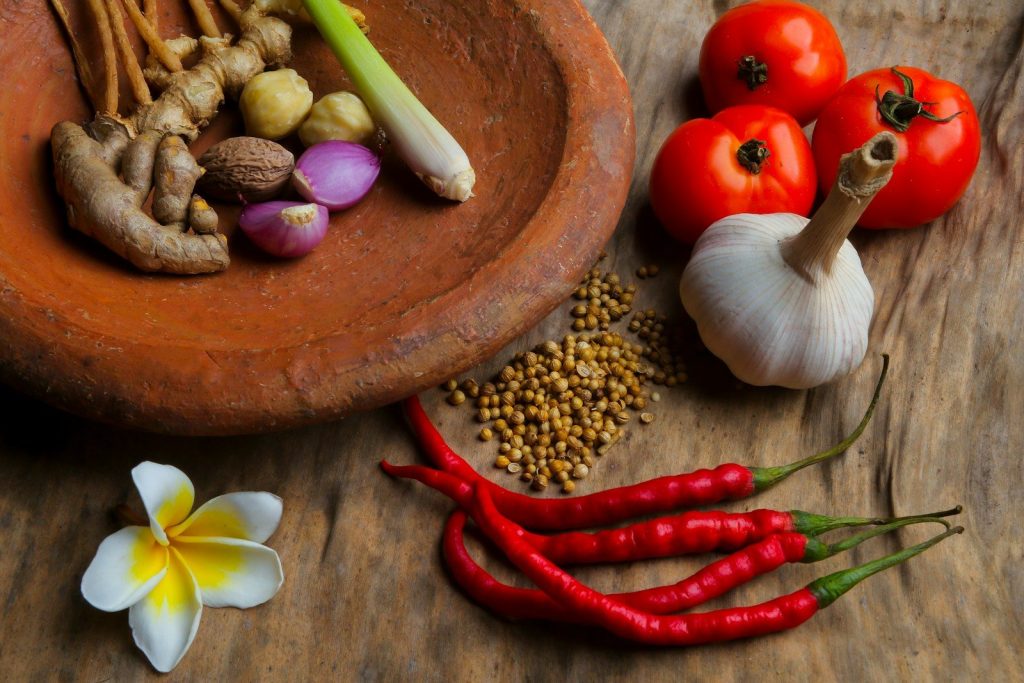
Turmeric gets plenty of attention for its compound curcumin, which has been studied for its anti-inflammatory properties. However, one simple trick dramatically increases its usefulness.
Black pepper contains piperine, a compound that helps the body absorb curcumin much more effectively. Adding a pinch of black pepper to turmeric-spiced soups, roasted vegetables, rice dishes, or teas can make a noticeable difference.
Choose Tart Cherries As A Dessert Swap

Instead of reaching for highly processed sweets, try tart cherries or unsweetened tart cherry juice.
Tart cherries contain natural plant compounds called anthocyanins, which are also found in berries and red grapes. These compounds have been studied for their potential role in supporting healthy inflammatory responses, making tart cherries a smart dessert alternative for people focused on joint health.
Add A Handful Of Seeds To Everyday Meals
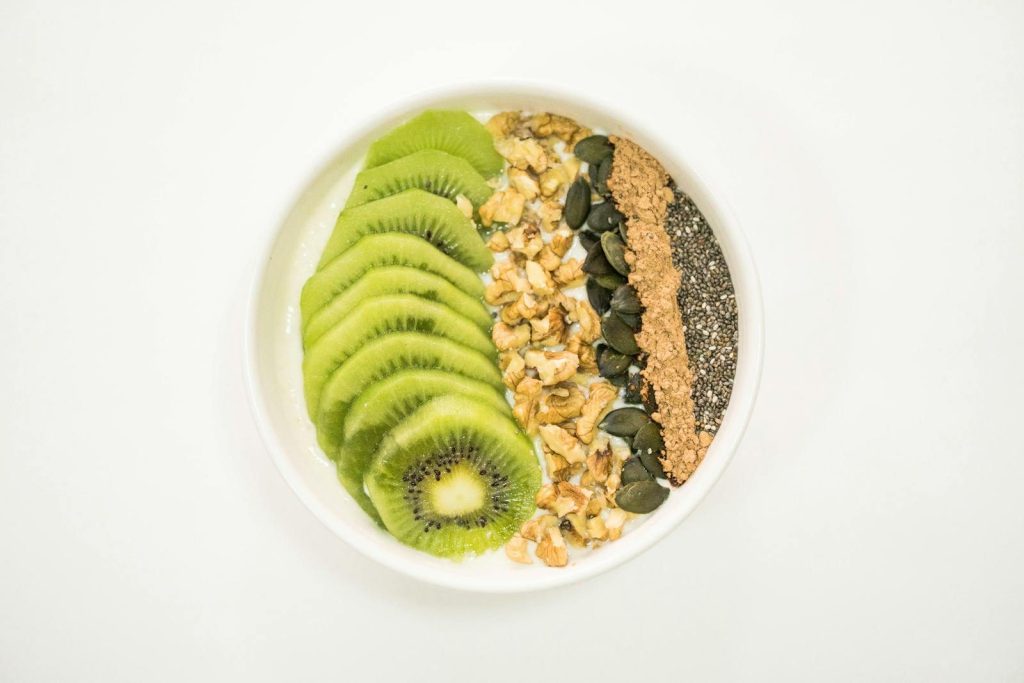
Flaxseeds, chia seeds, hemp seeds, and pumpkin seeds are small ingredients that can have a big nutritional impact.
They provide minerals such as magnesium and zinc along with healthy fats that support overall wellness. Sprinkling seeds onto oatmeal, yogurt, salads, soups, or smoothies is one of the easiest upgrades you can make without changing your entire diet.
Use Extra Virgin Olive Oil Instead Of Butter More Often

One of the simplest joint-friendly habits comes straight from the Mediterranean diet.
Extra virgin olive oil contains beneficial plant compounds and healthy fats that have been linked to lower levels of inflammation. Drizzling it over vegetables, mixing it into salad dressings, or using it for low-to-medium heat cooking can help replace less heart-friendly fats in the diet.
Eat Vitamin C Foods Alongside Iron-Rich Meals

Vitamin C plays an important role in collagen production, and collagen is a major structural component of cartilage.
A useful hack is pairing vitamin C-rich foods like bell peppers, oranges, strawberries, kiwi, or broccoli with meals containing iron-rich foods. Not only can this help improve iron absorption, but it also provides nutrients that support connective tissues throughout the body.
Make Fatty Fish A Weekly Habit
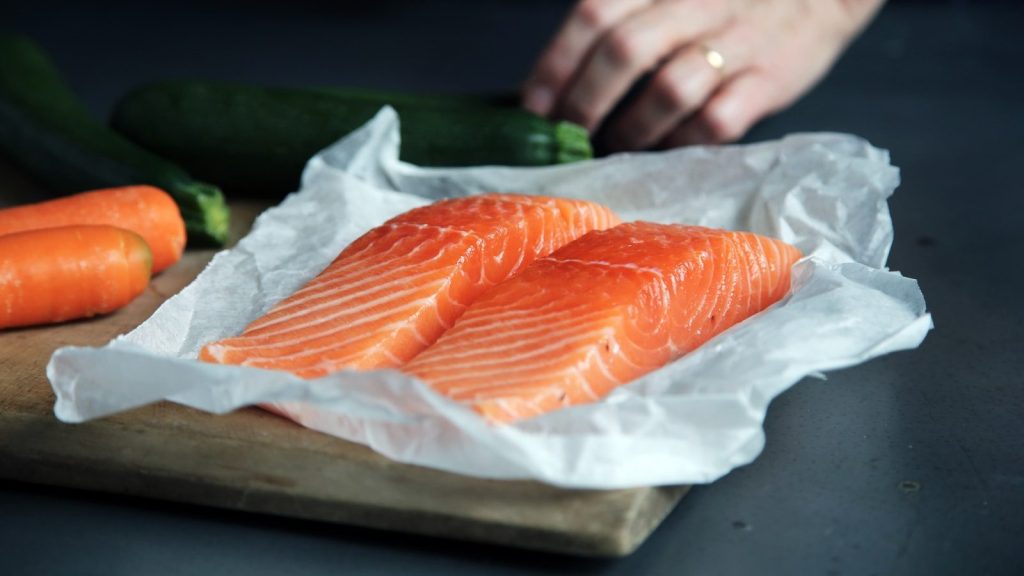
Salmon, sardines, trout, mackerel, and herring are among the richest dietary sources of omega-3 fatty acids.
Instead of treating fish as an occasional food, try building one or two meals each week around it. Canned sardines and salmon are affordable options that offer many of the same benefits as fresh varieties while being easy to keep on hand.
Upgrade Your Snacks With Colorful Produce
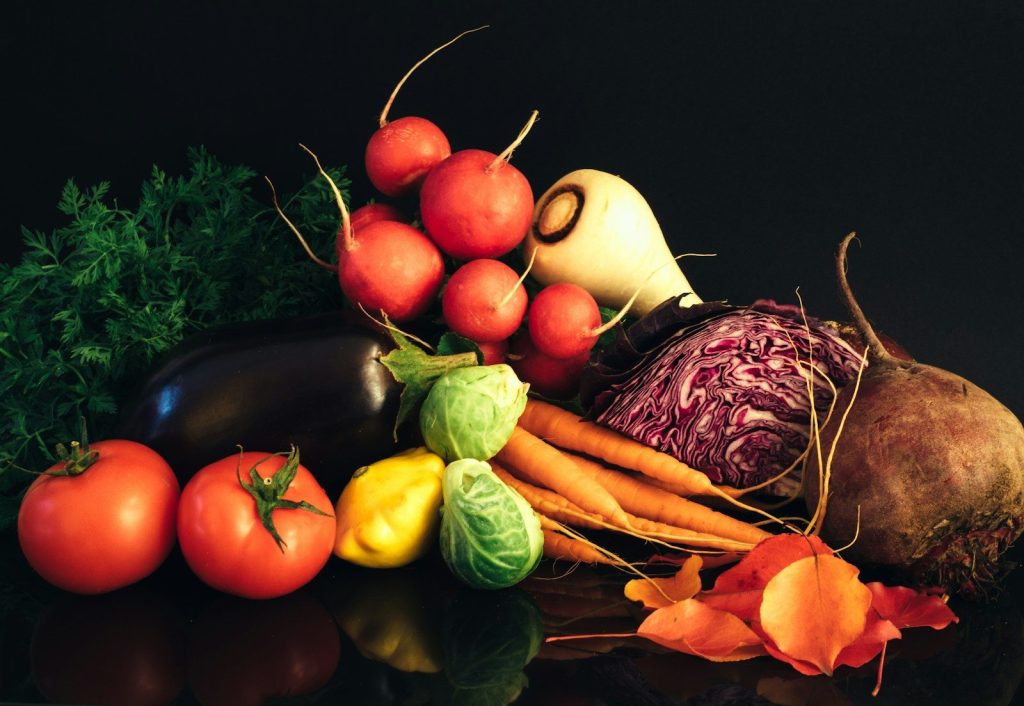
Many people focus on single “superfoods” while overlooking the value of eating a wide variety of colorful fruits and vegetables.
Blueberries, blackberries, red cabbage, carrots, tomatoes, spinach, and sweet potatoes all provide different antioxidants and plant compounds. Filling snack plates with a mix of colours helps increase nutrient diversity, which may support overall joint and connective tissue health over time.
Small Changes Can Add Up
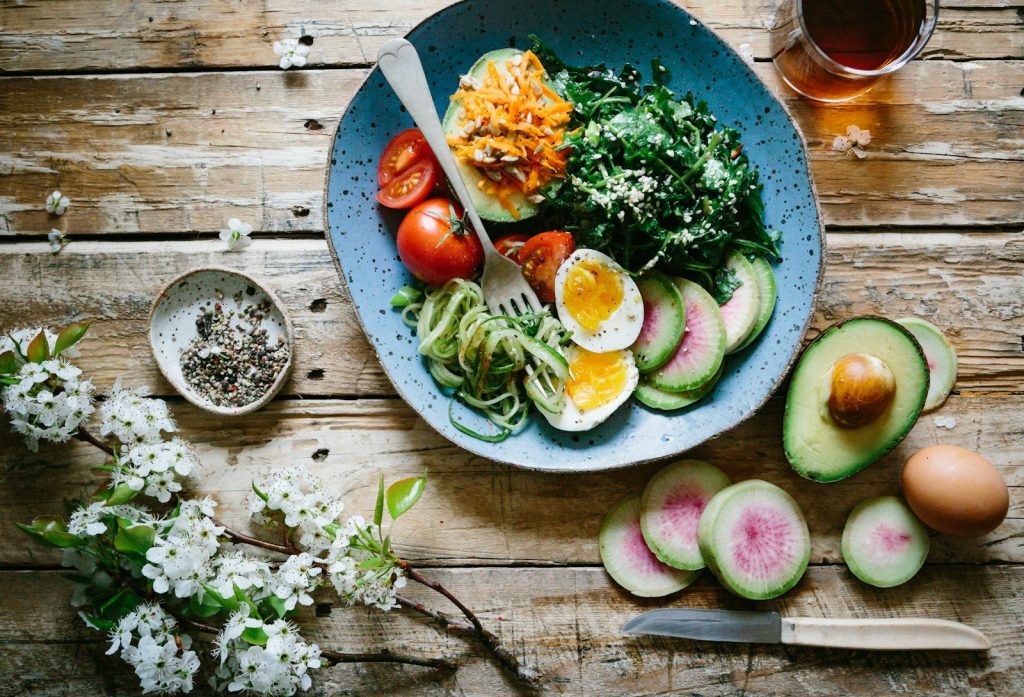
Joint-friendly eating isn’t about finding one miracle ingredient. The biggest benefits often come from combining several simple habits, such as choosing healthier fats, eating more colorful produce, getting enough protein, and including foods rich in omega-3s and antioxidants. Over time, these small food hacks can help create a diet that supports both your joints and your overall health.