

Turmeric may be the ingredient that gets most of the headlines, but it isn’t the only food that nutrition experts talk about when discussing inflammation-friendly eating patterns. In fact, some of the most interesting options are hiding in plain sight at the grocery store, often overlooked in favour of trendier superfoods. The real secret isn’t finding one magical ingredient. It’s discovering simple ways to add more variety, color, and plant compounds to everyday meals. These food hacks focus on practical ingredients and easy habits that can help shake up your routine while bringing new flavours to the table.
Turn Red Onions Into A Weekly Topping Hack
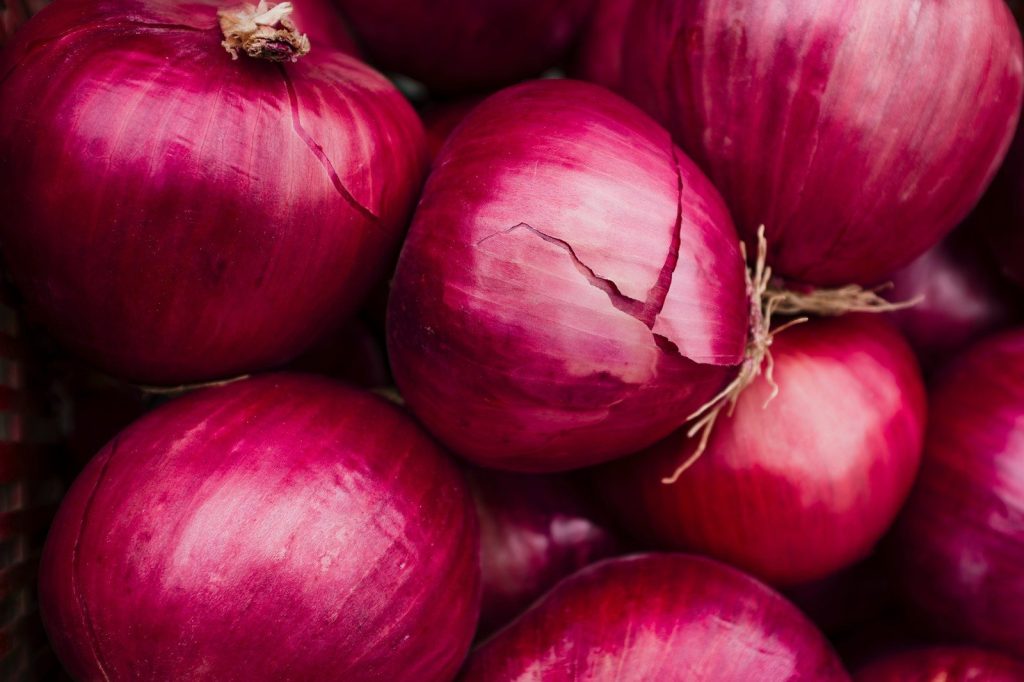
Red onions can be sharp when raw, which is why many people use them sparingly.
Quick-pickling them softens their bite and creates a versatile topping for tacos, grain bowls, sandwiches, salads, and wraps. A single jar can upgrade meals all week long.
Swap Lettuce For Watercress Once In A While

Watercress rarely gets the attention given to spinach or kale, yet it’s one of the most nutrient-dense greens available.
Its peppery flavor works well in sandwiches, salads, and even as a garnish for soups.
Freeze Tart Cherries For Grab-And-Go Snacks
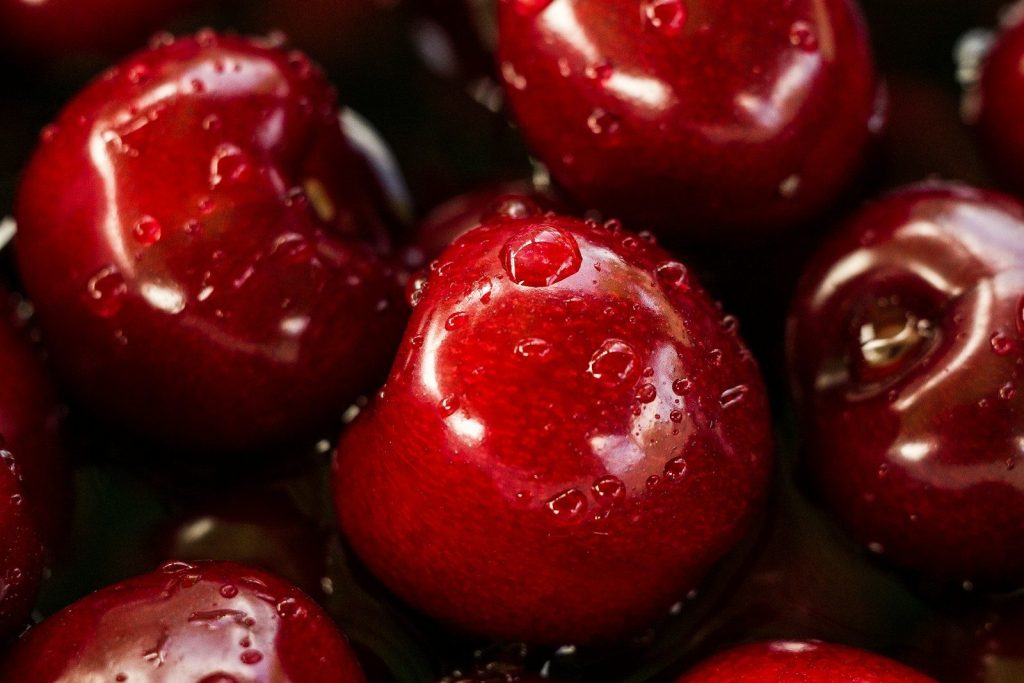
Tart cherries have become increasingly popular in nutrition discussions, but many people only encounter them in juice form.
Keeping frozen cherries on hand makes them easy to add to smoothies, yogurt bowls, or enjoy as a refreshing snack.
Roast Radishes Instead Of Always Roasting Potatoes
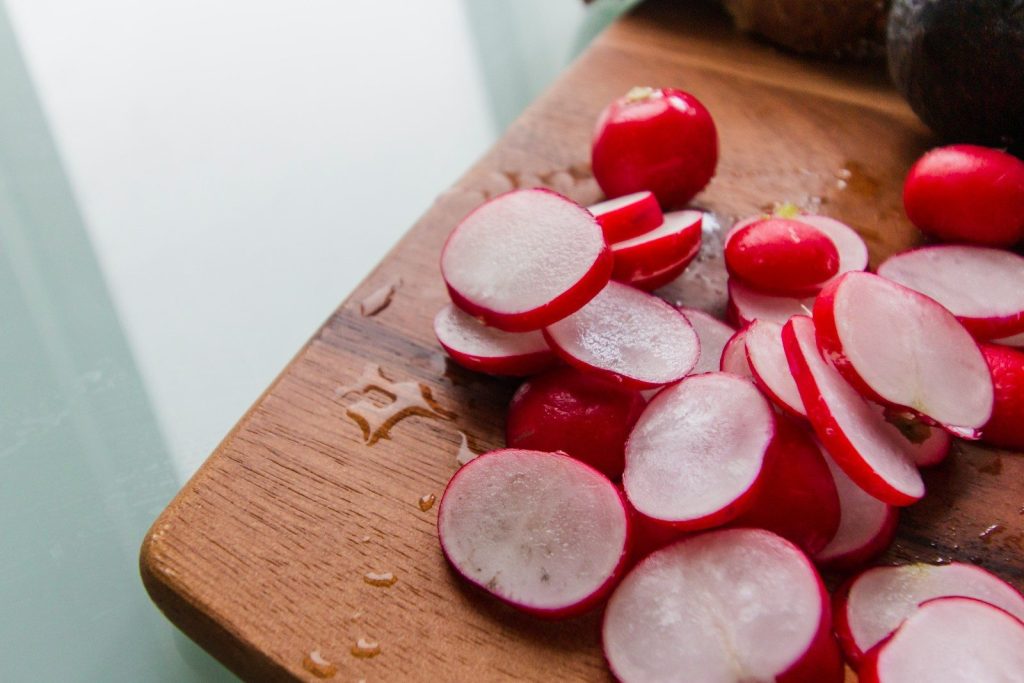
Radishes transform dramatically when roasted.
The heat softens their peppery bite and brings out a sweeter flavor, making them a surprisingly versatile side dish.
Keep Pomegranate Seeds Ready To Use
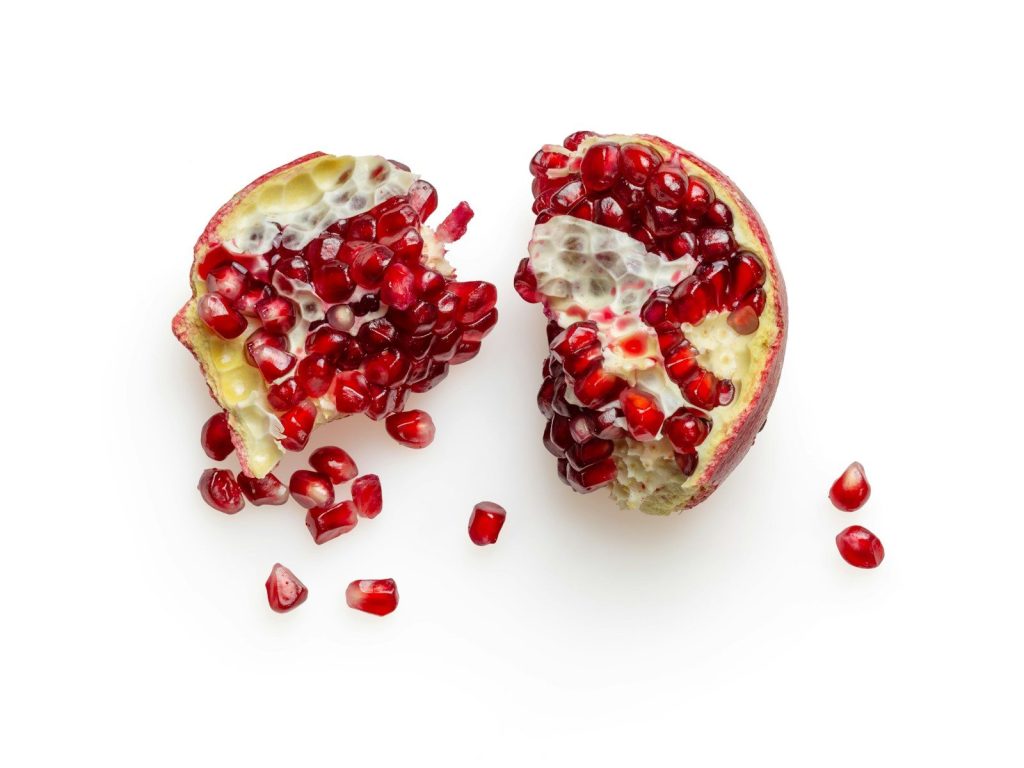
Pomegranates often get skipped because preparing them can feel messy.
Removing the seeds in advance creates an easy topping for salads, oatmeal, yogurt, and grain bowls throughout the week.
Try Purple Sweet Potatoes When You Spot Them

Most shoppers automatically reach for orange sweet potatoes.
Purple varieties add visual interest, naturally occurring plant pigments, and a different flavor profile that can make familiar recipes feel new again.
Treat Fresh Herbs Like A Vegetable
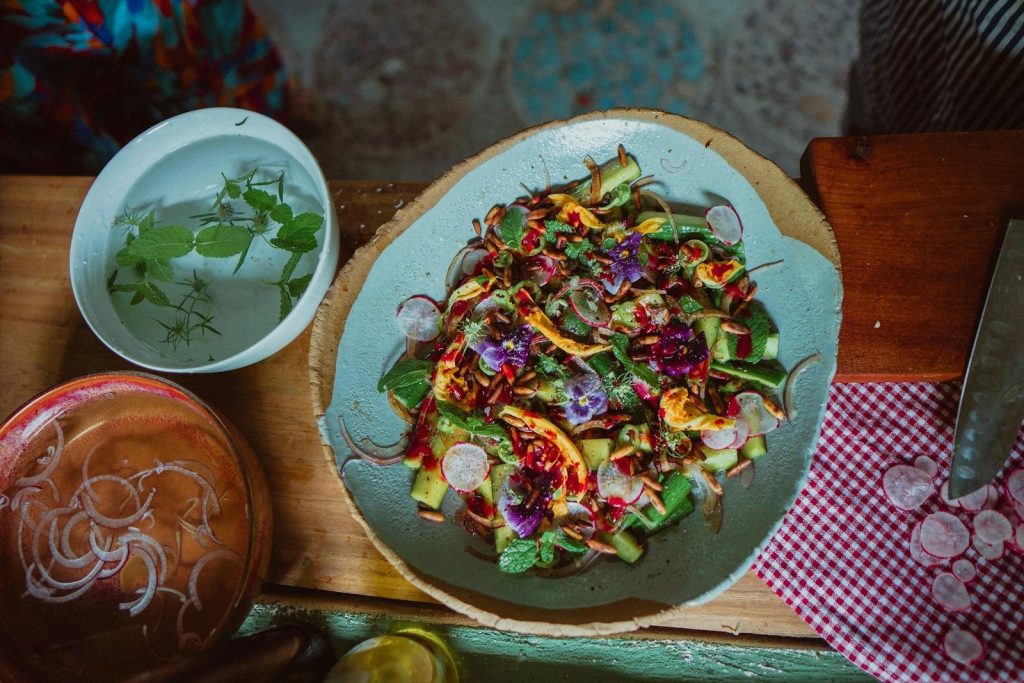
Many home cooks use herbs as a garnish rather than a main ingredient.
Adding generous handfuls of parsley, mint, dill, cilantro, or basil can completely change the character of a salad, grain bowl, or side dish.
Use The Grocery Store Color Rule
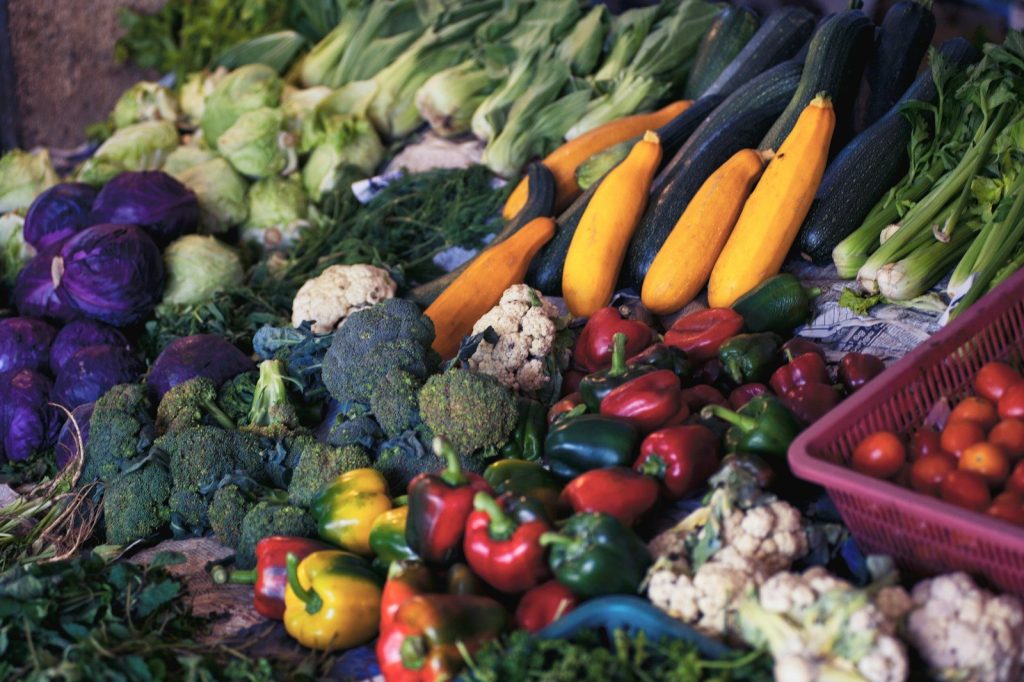
One of the simplest food hacks doesn’t involve a recipe at all.
Challenge yourself to buy at least one deep-purple, dark-green, or bright-red produce item every shopping trip. It’s an easy way to increase variety and encourage more colorful meals.