

Food safety concerns are often associated with spoiled leftovers or undercooked meat, but some foods can be surprisingly risky even when they seem perfectly normal. In some cases, certain parts of a plant contain natural toxins. In others, improper preparation can turn a traditional food into a potential health hazard.
Many of these foods are enjoyed safely around the world every day. The key is knowing how they should be handled, prepared, or consumed.
Here are nine foods that can be riskier than they appear.
1. Cassava
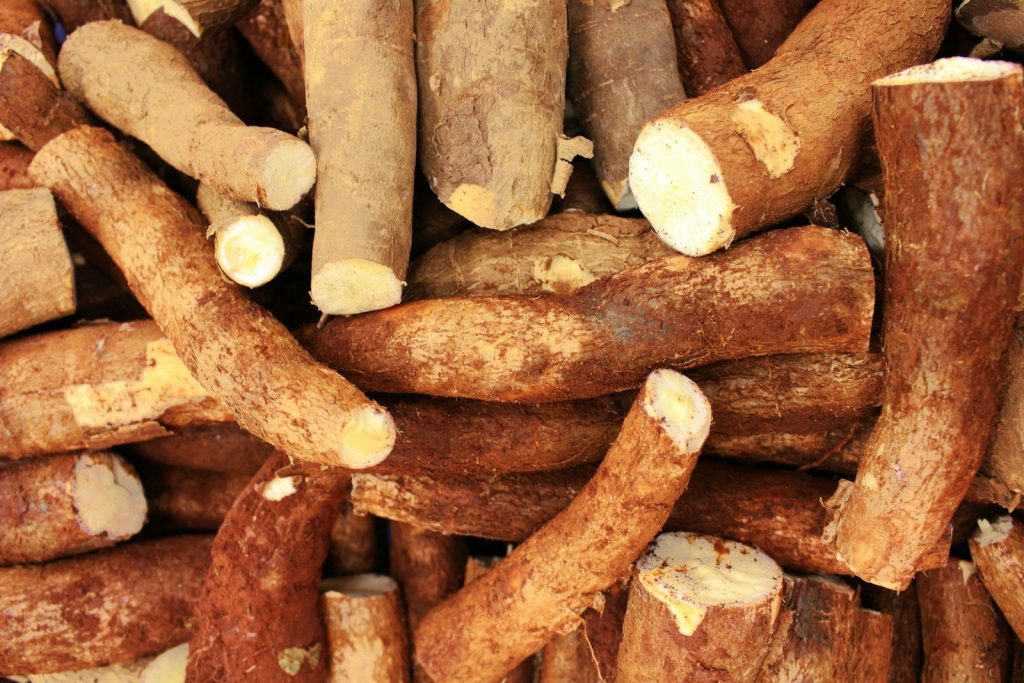
Cassava is a starchy root vegetable that serves as a staple food for millions of people worldwide. It is used to make products such as tapioca and cassava flour.
The concern comes from naturally occurring compounds called cyanogenic glycosides, which can release cyanide when the root is eaten raw or prepared incorrectly.
Proper soaking, peeling, drying, fermenting, and cooking significantly reduce the risk, making cassava safe to eat when handled correctly.
2. Ackee
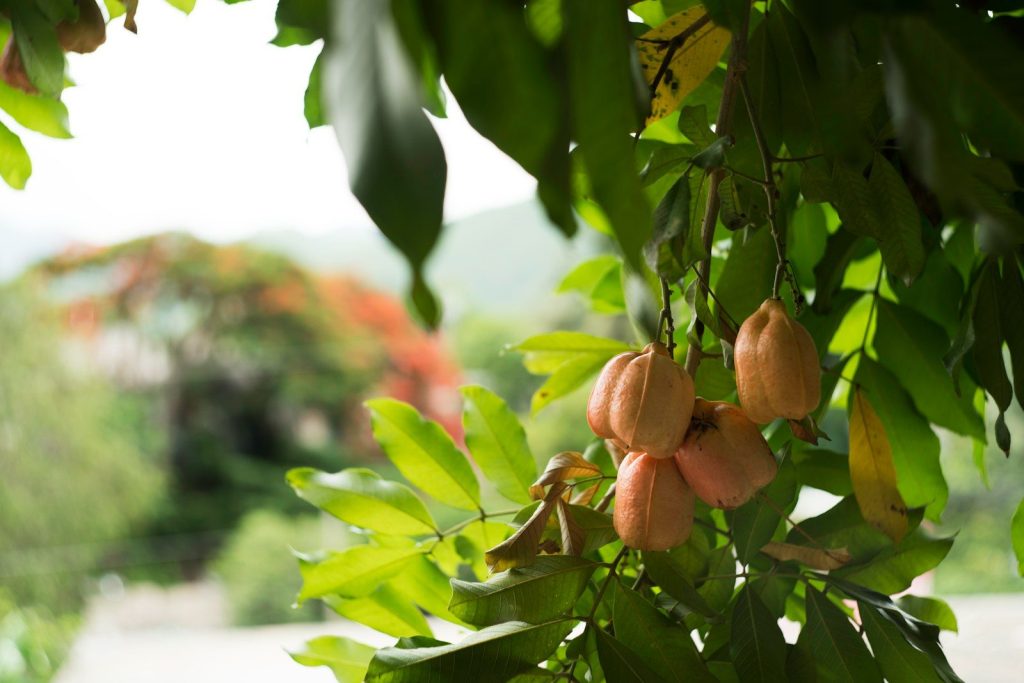
Ackee is Jamaica’s national fruit and a key ingredient in the country’s famous ackee and saltfish dish.
The fruit contains toxins known as hypoglycin A and hypoglycin B when it is unripe. Consuming unripe ackee can lead to a serious condition known as Jamaican vomiting sickness, which may cause severe illness.
Only naturally opened, fully ripened ackee should be eaten, and the seeds should never be consumed.
3. Rhubarb Leaves
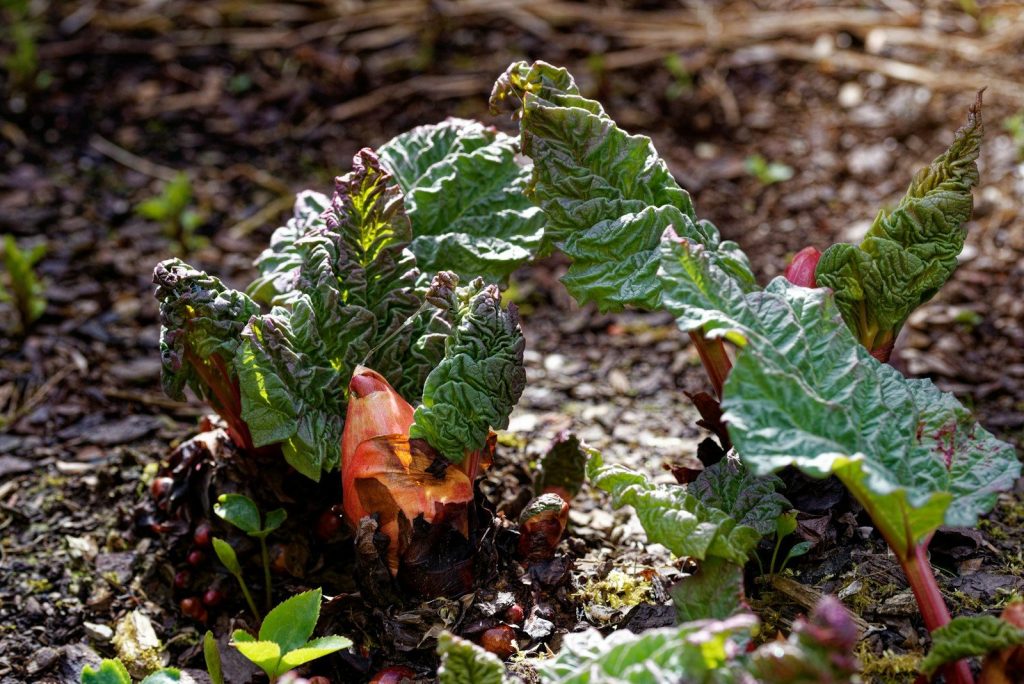
Rhubarb stalks are commonly used in pies, jams, and desserts, though the leaves tell a different story.
Rhubarb leaves contain high levels of oxalic acid and other compounds that can be toxic if consumed in large amounts. Symptoms may include nausea, stomach pain, and kidney-related complications.
The stalks are considered safe to eat when prepared properly, but the leaves should always be discarded.
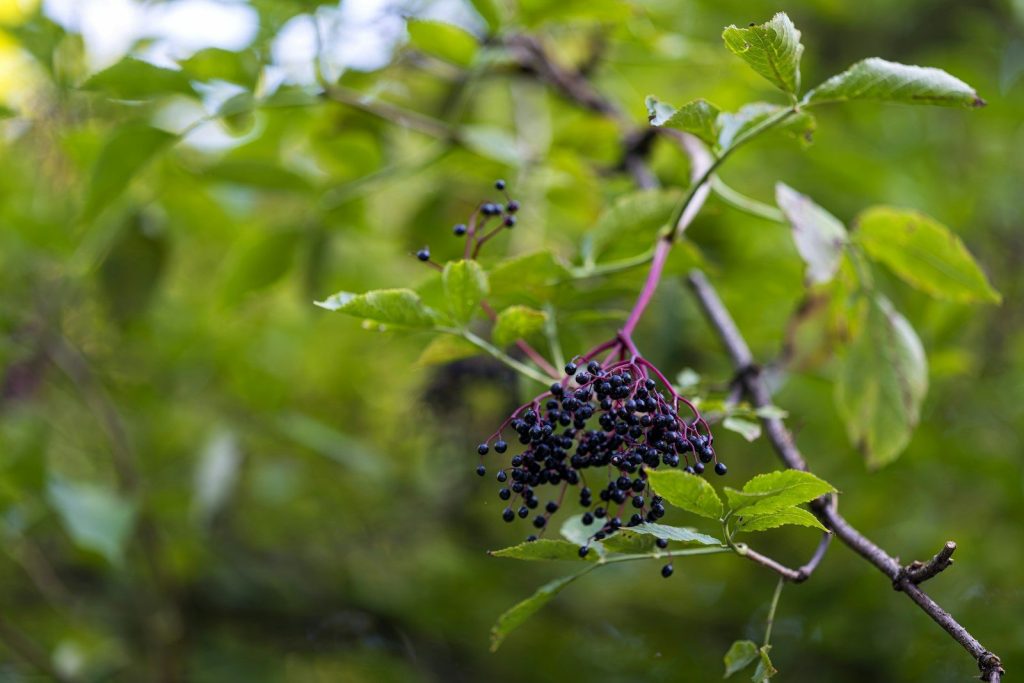
4. Elderberries
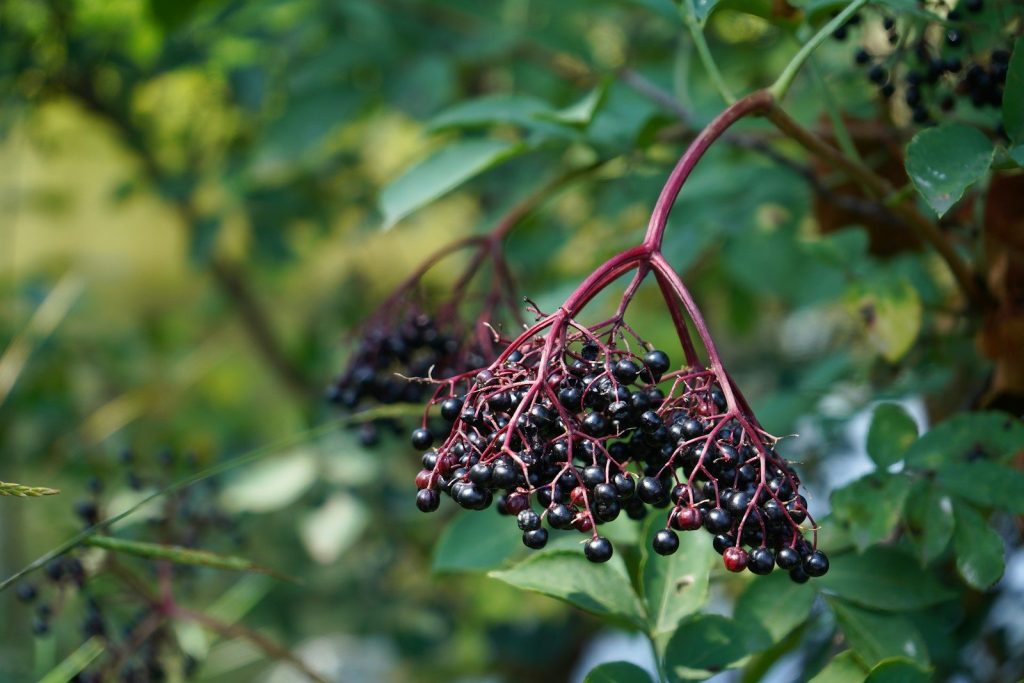
Elderberries have become increasingly popular in syrups, teas, and supplements.
While ripe, cooked elderberries are generally considered safe, raw berries, stems, leaves, and seeds contain compounds that can produce cyanide-related toxins.
Eating uncooked parts of the plant may lead to nausea, vomiting, and digestive discomfort.
Proper cooking helps eliminate most of the risk.
5. Red Kidney Beans
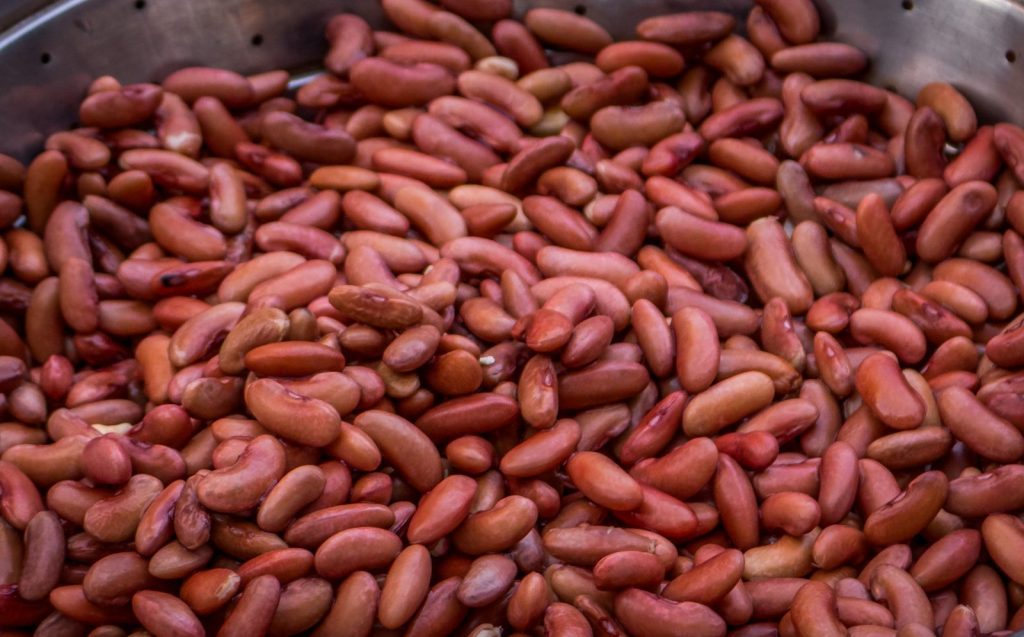
Beans are often viewed as one of the healthiest foods available, but raw or undercooked red kidney beans contain a natural toxin called phytohaemagglutinin.
Consuming only a handful of undercooked beans may trigger symptoms such as nausea, vomiting, and stomach cramps.
Fortunately, soaking and thoroughly boiling kidney beans destroys the toxin and makes them safe to eat.
6. Star Fruit
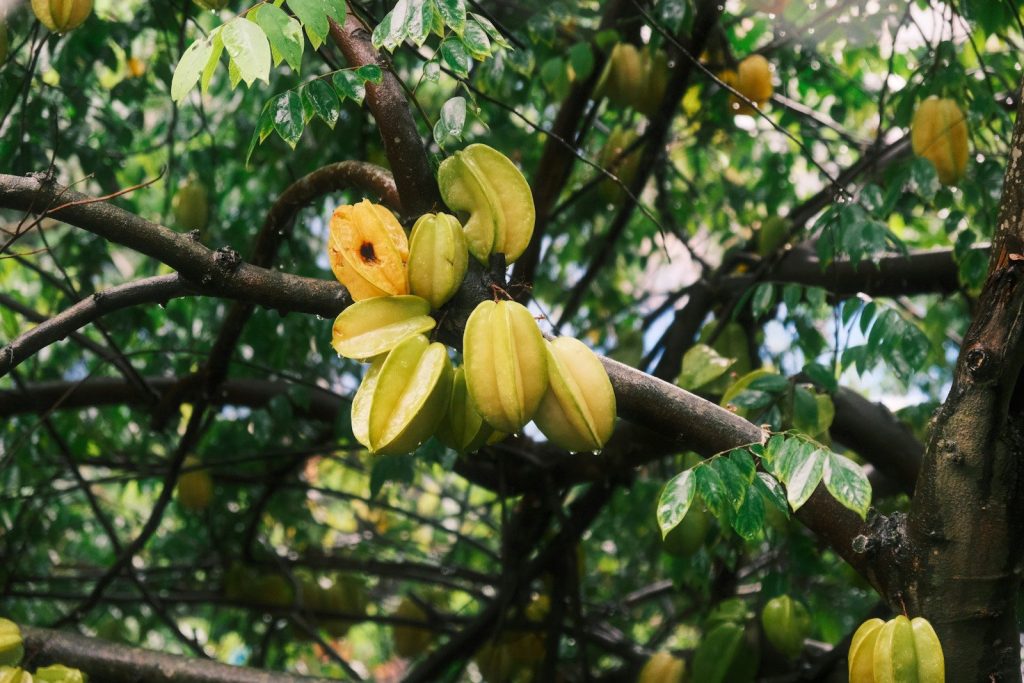
Star fruit is widely enjoyed for its sweet-tart flavor and distinctive shape.
For most healthy individuals, it poses little concern. However, people with kidney disease may face serious complications because star fruit contains compounds that impaired kidneys cannot efficiently remove from the body.
In severe cases, neurological symptoms have been reported among individuals with significant kidney problems.
7. Nutmeg
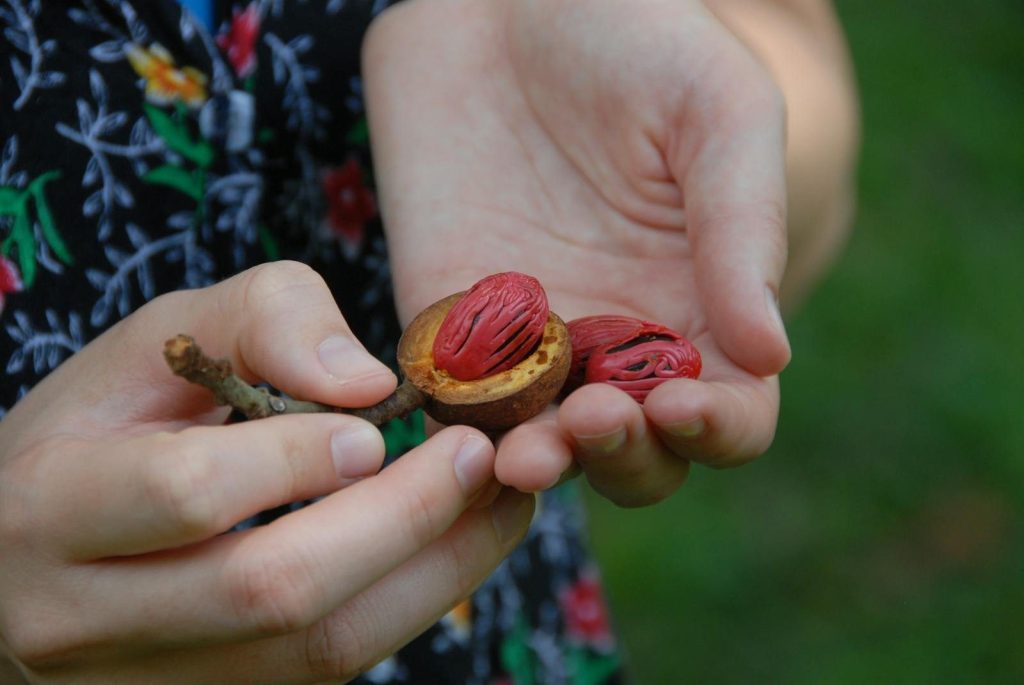
Nutmeg is commonly used in baked goods, holiday drinks, and savory recipes.
The small amounts typically used in cooking are safe, but consuming large quantities can cause unexpected side effects. Nutmeg contains a compound called myristicin, which can affect the nervous system when ingested in excessive amounts.
Symptoms may include dizziness, confusion, nausea, and hallucinations.
8. Pufferfish
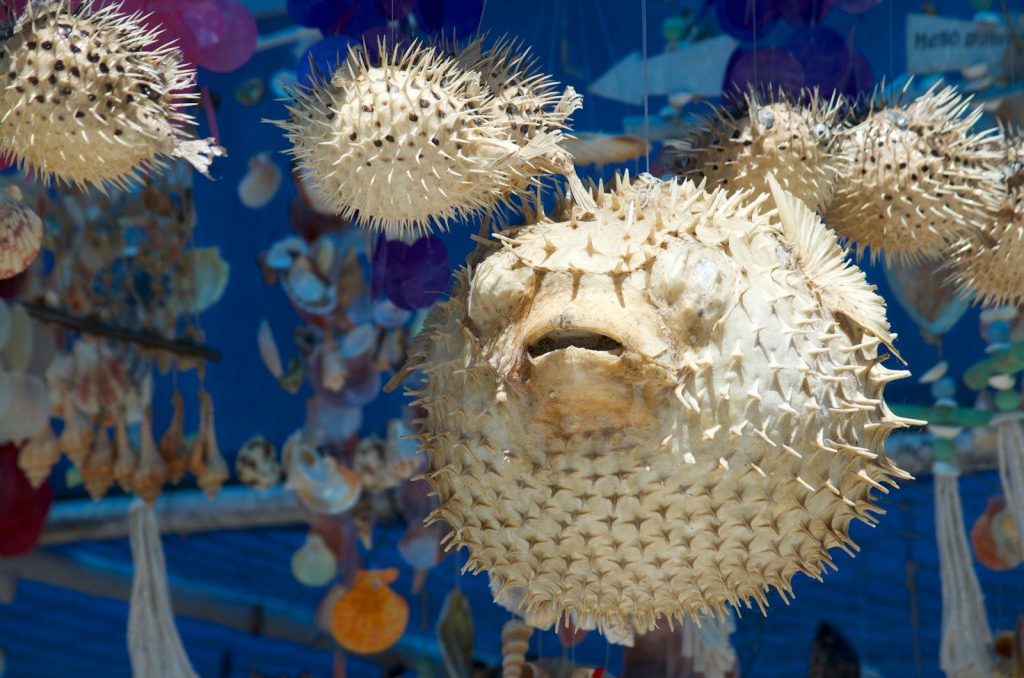
Pufferfish, also known as fugu in Japan, is considered a delicacy in some parts of the world.
The fish contains tetrodotoxin, one of the most potent natural toxins known. Certain organs and tissues can be highly poisonous if not removed correctly.
Specially trained and licensed chefs undergo extensive preparation to safely serve pufferfish in countries where it is permitted.
9. Green Potatoes
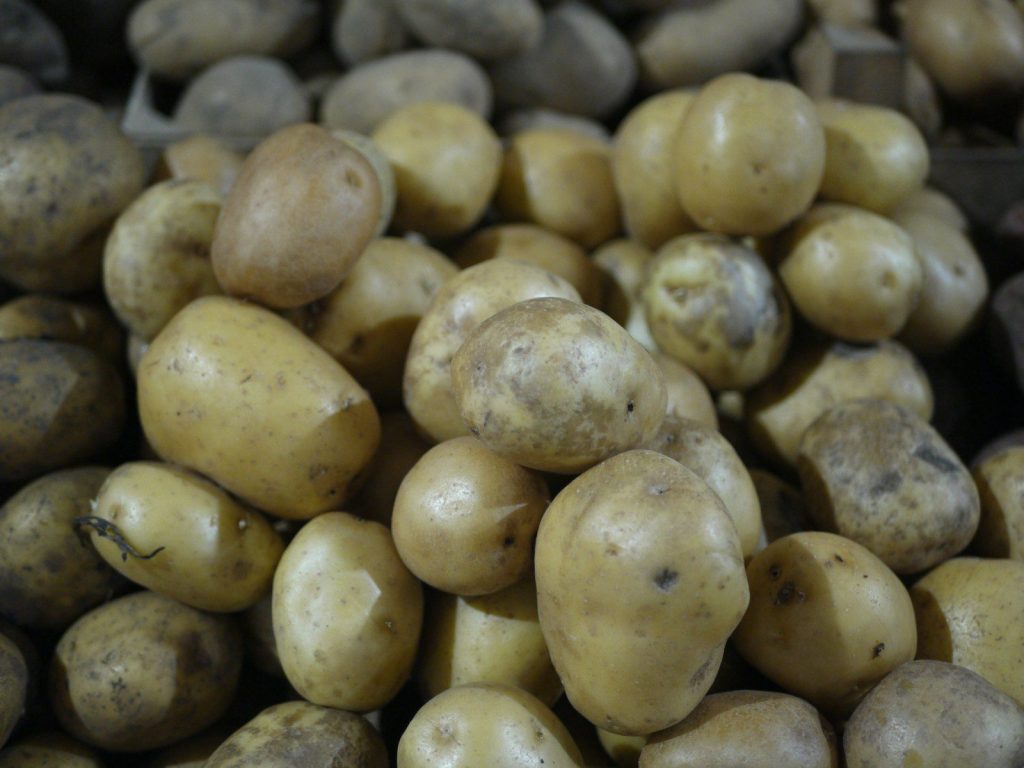
Potatoes are a kitchen staple, though green potatoes deserve extra attention.
When potatoes are exposed to light, they can develop a green color and produce higher levels of solanine, a natural toxin that helps protect the plant from pests.
Eating large amounts of green potatoes may lead to symptoms such as nausea, headaches, and digestive upset.
Removing green portions may help reduce exposure, though heavily green potatoes are best discarded.
Final Thoughts
Some of the world’s most familiar foods come with surprising risks that many people never consider. Cassava, ackee, rhubarb leaves, and several others can cause health problems when handled incorrectly, despite being perfectly safe when prepared properly.
Understanding these hidden risks does not mean avoiding the foods altogether. It simply highlights the importance of proper preparation and informed eating habits.