

Digital payments make life easy until they suddenly do not. A power outage, banking glitch, or storm can turn your phone and cards into little more than pieces of plastic and glass. That is why a small amount of cash at home remains one of the simplest preparedness hacks around.
The trick is knowing where the sweet spot is. Too little cash leaves you scrambling when systems fail, while too much can create risks you never intended. These practical hacks can help you build a smarter emergency cash strategy without going overboard.
Stop Thinking Like It Is 1995

Many people assume keeping piles of cash at home equals financial security. In reality, the goal is not to replace your bank account. It is to create a backup plan for short disruptions when digital payments are unavailable.
A smarter hack is treating home cash like emergency equipment. You hope you never need it, but when a card reader fails or an ATM is down, that small stash can suddenly become incredibly useful.
Build a Bare Essentials Fund
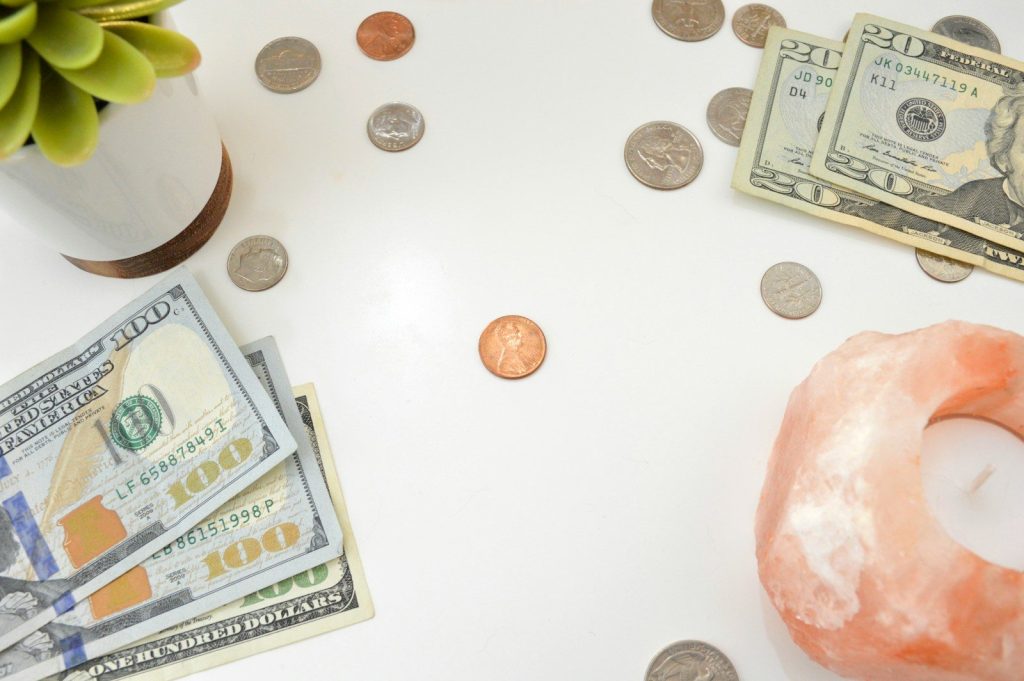
Instead of guessing an amount, focus on what you would actually need for a few days. Think fuel, groceries, medicine, and other necessities that cannot wait until systems return to normal.
This approach creates a more realistic target. Rather than stuffing away random amounts, you are building a cash reserve designed around real-life expenses that matter during unexpected situations.
Small Bills Are the Secret Weapon
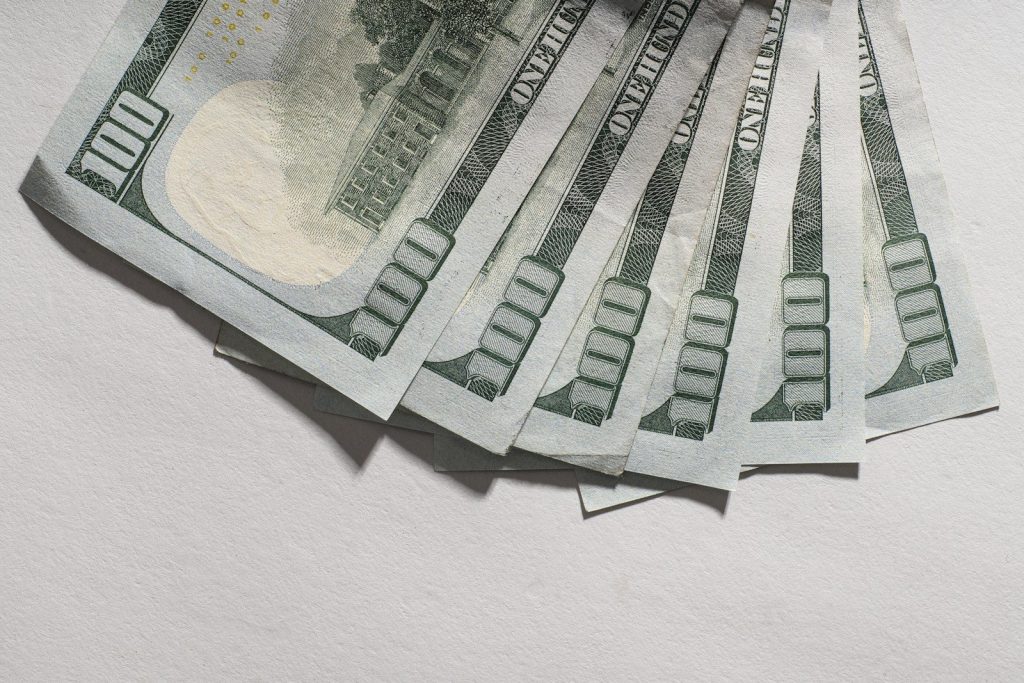
A stack of large bills looks impressive, but it is not always practical. During outages or emergencies, businesses may struggle to make change, especially if registers are limited.
One overlooked hack is keeping a mix of smaller denominations. Having twenties, tens, fives, and a few singles can make transactions smoother when electronic systems are unavailable.
Avoid the Too Much Trap

More cash does not automatically mean more preparedness. Large amounts sitting at home can attract theft, increase losses during disasters, and create unnecessary financial risk.
A better strategy is to keep enough for short-term needs while allowing the rest of your money to remain protected in financial accounts designed for long-term security and growth.
Match the Stash to Your Household

A single person and a family of five do not have the same emergency needs. The amount that feels reasonable for one household may fall short for another.
Take a quick inventory of who depends on your budget. Food, transportation, medication, and other essentials can help determine a more realistic cash cushion for your specific situation.
Review It More Often Than You Think
Many people hide cash and forget about it for years. That sounds convenient until expenses rise or your lifestyle changes, and the stash no longer matches reality.
A simple annual review can keep your backup fund relevant. It also gives you a chance to replace worn bills and make adjustments based on changing household needs.
Choose Storage That Can Survive Trouble
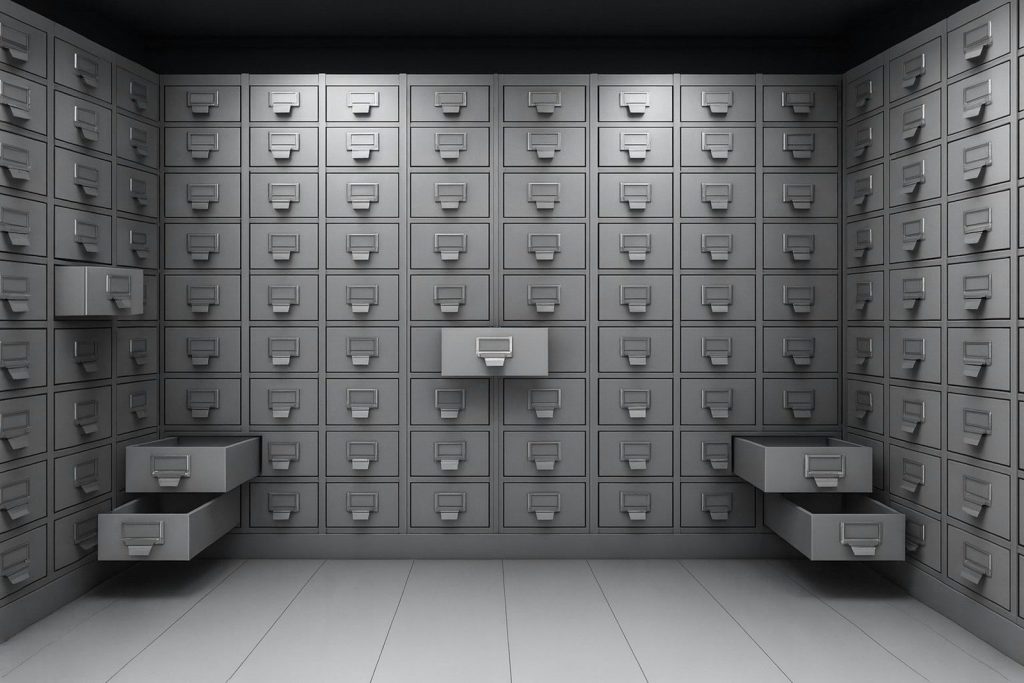
The hiding spot matters almost as much as the money itself. Cash can disappear quickly through theft, water damage, or fire if it is not properly protected.
One practical hack is using secure storage that can handle common household disasters. The goal is not just hiding money but preserving it when conditions become challenging.
Treat Cash as a Back, not an Investment

Money tucked away at home may feel comforting, but it does not grow. Over time, inflation quietly reduces what that cash can buy compared with funds earning interest elsewhere.
The smartest approach is balancing preparedness with opportunity. Keep enough cash to handle short-term disruptions, then let the rest of your money work harder in places designed to help it grow.