

Most people have heard the advice to turn off lights whenever they leave a room. It sounds like one of the simplest energy-saving hacks around, but the real answer is more interesting than many homeowners realize.
Modern lighting has changed the rules, and some old habits may not deliver the savings you expect. These practical light hacks can help you make smarter decisions while keeping your home comfortable and efficient.
The Real Light Saving Hack
Many people treat every light switch the same way, but one useful energy hack is understanding that different bulbs behave differently. The amount of electricity used depends on both the bulb type and how long it stays on.
Instead of following outdated advice, focus on actual usage patterns. Knowing when a light is consuming meaningful energy can help you make smarter choices without constantly worrying about every switch.
LED Light Hacks That Change Everything
One of the biggest home energy hacks is switching to LED bulbs. These bulbs use far less electricity than older incandescent options while producing the same amount of light.
Because LEDs are so efficient, leaving one on briefly often costs very little. That does not mean wasting energy is fine, but it does mean modern lighting has reduced the impact of occasional forgetfulness.
The Empty Room Hack
A simple but effective habit is turning off the lights when a room will remain empty for a while. This is where the traditional advice still makes the most sense.
The longer a light stays on without serving a purpose, the more energy it consumes. Developing awareness about unused rooms can lead to consistent savings over time.
Timing Hacks That Matter Most
Not every room departure requires an immediate sprint to the switch. One practical energy hack is considering how long you expect to be away.
If you are stepping out briefly and returning almost immediately, the savings may be minimal. If the room will sit empty for an extended period, switching off the lights becomes a more meaningful decision.
Smart Home Automation Hacks
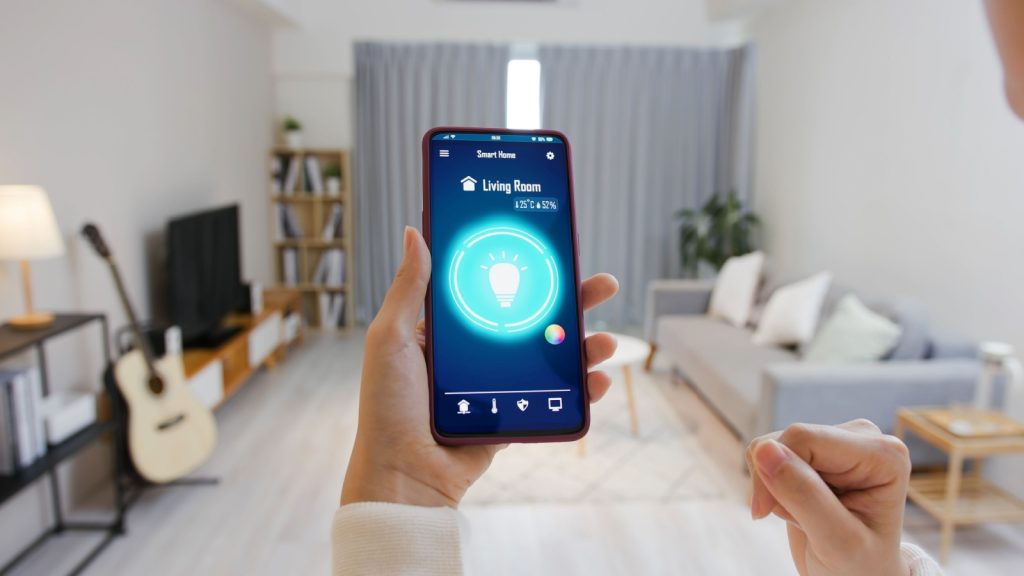
Technology can remove much of the guesswork from energy management. Motion sensors and smart lighting systems are popular hacks for reducing unnecessary electricity use.
These systems automatically turn lights off when spaces are vacant. The result is less wasted energy and fewer moments spent wondering whether you left something on downstairs.
Daylight Maximizing Hacks
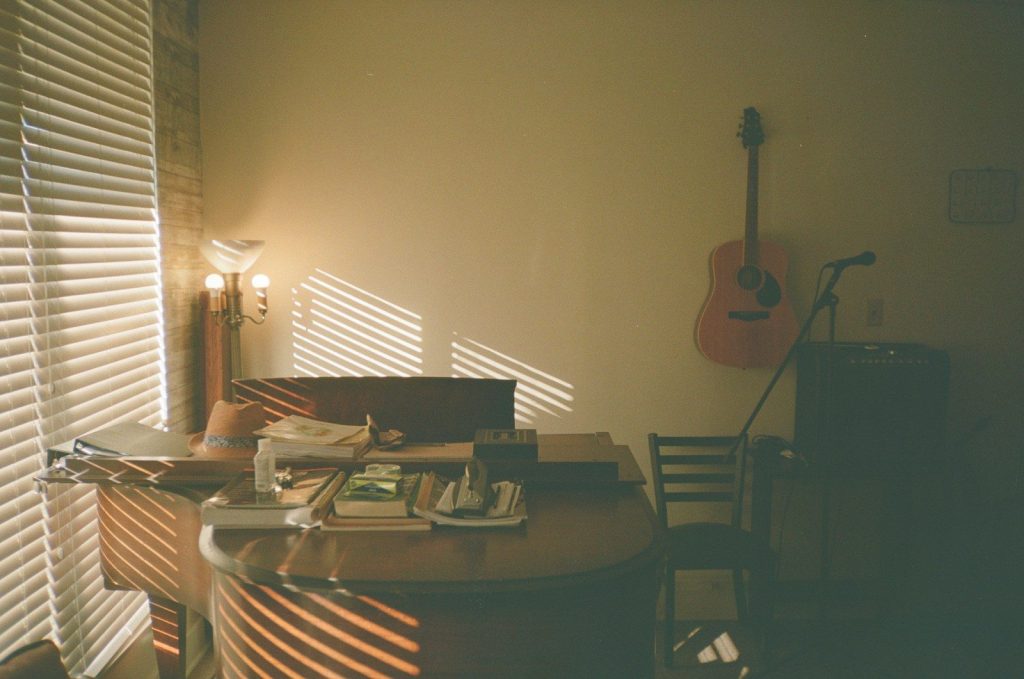
One overlooked energy hack involves using natural light more effectively. Opening blinds and arranging activities near windows can reduce the need for artificial lighting throughout the day.
Small adjustments in room usage can add up over time. Natural light not only lowers energy consumption but can also make living spaces feel brighter and more inviting.
Multi-Room Energy Hacks
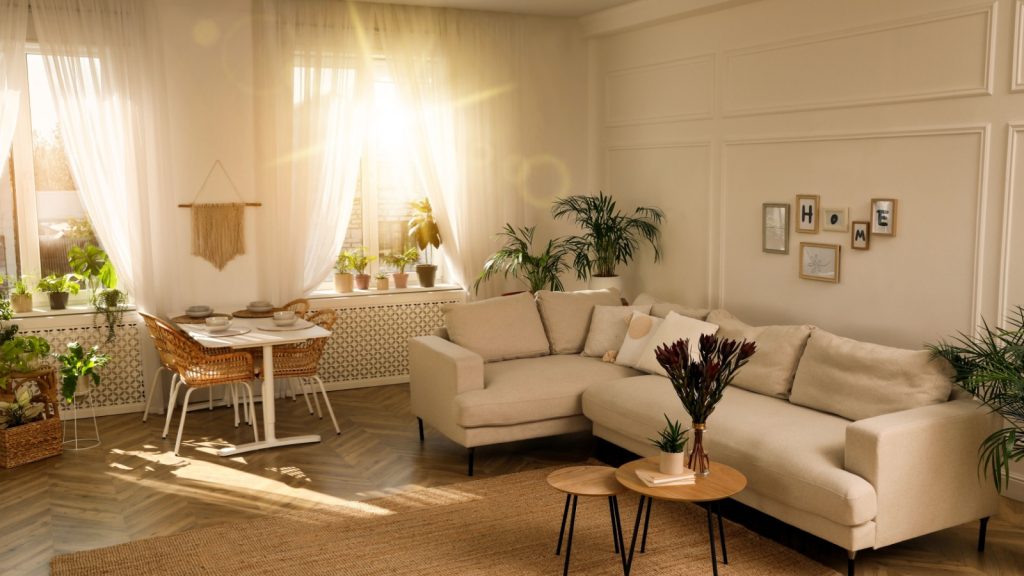
Many households focus on a single light bulb while overlooking larger opportunities. A smarter approach is identifying rooms where lights are routinely left on for hours without anyone present.
Creating a quick evening walkthrough can help catch unnecessary energy use. This habit often delivers better results than stressing over lights that are only left on for a few minutes.
The Bigger Picture Energy Hack
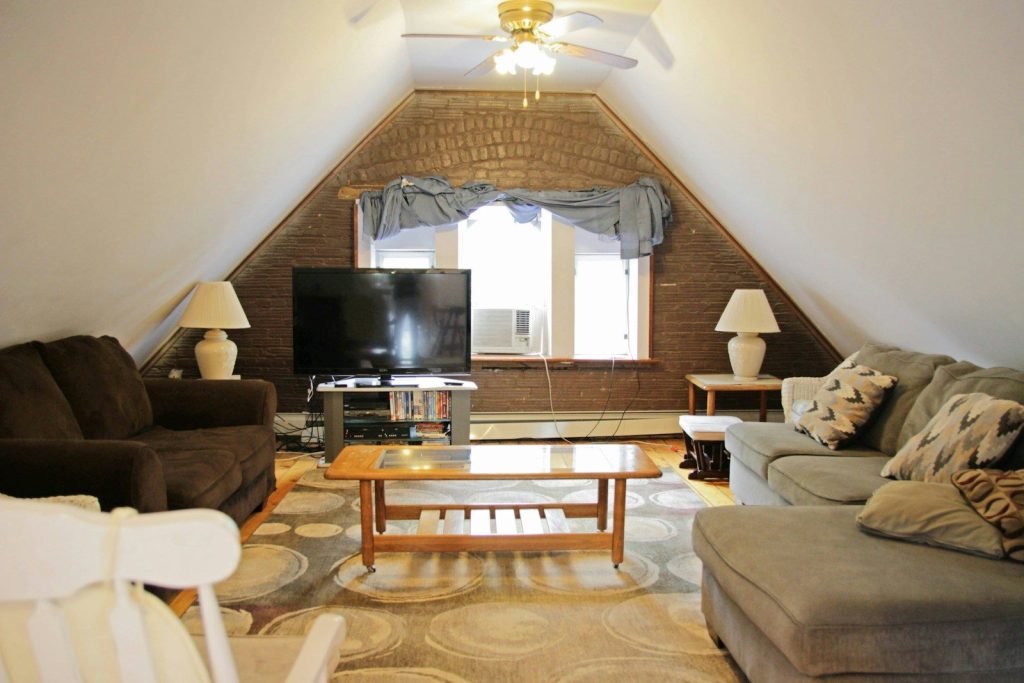
One of the most valuable home efficiency hacks is focusing on overall energy habits rather than obsessing over a single switch. Lighting is only one part of a home’s electricity use.
Combining efficient bulbs, smart controls, natural daylight, and mindful habits creates a stronger strategy. The goal is not perfection but making simple choices that consistently reduce wasted energy.