

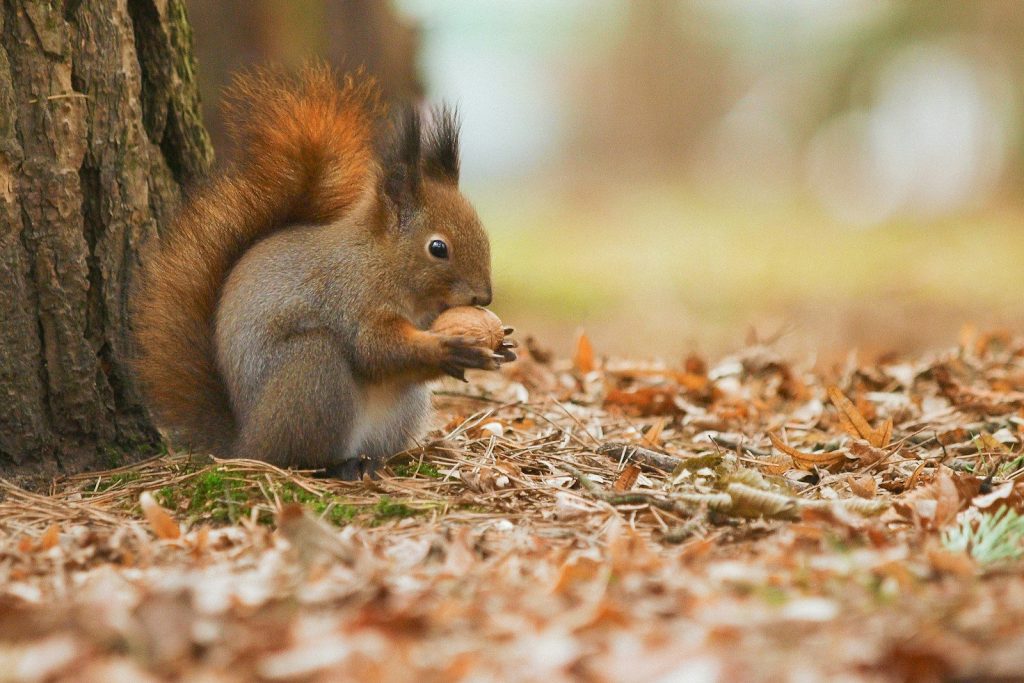
Squirrels may be entertaining to watch, but they can quickly become a headache when they start digging in containers, stealing fruits, or uprooting newly planted flowers. Fortunately, you do not have to resort to harsh measures to protect your garden. These clever, plant-friendly hacks can help discourage squirrel activity while keeping your outdoor space looking great.
Cover Soil With Pine Cones
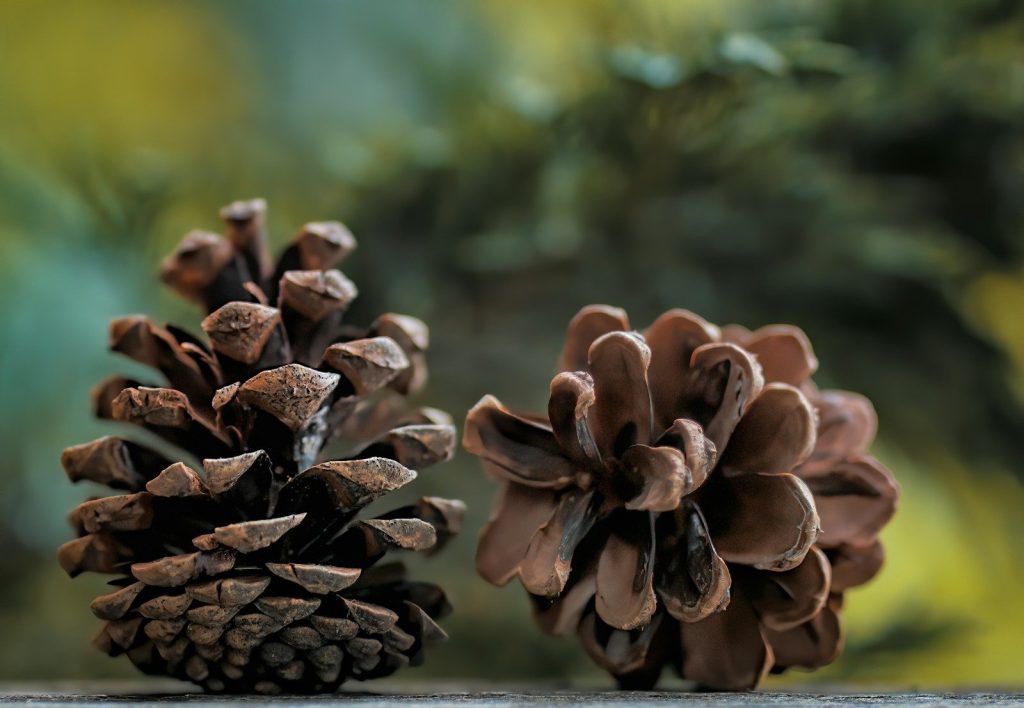
Freshly dug soil is often irresistible to squirrels looking for a place to bury food. Scattering pine cones around the base of plants creates an uneven surface that is less appealing for digging.
The pine cones also add a decorative touch to containers and flower beds. Many gardeners use this trick around newly planted annuals and bulbs.
Lay Chicken Wire Flat Over Bulb Beds
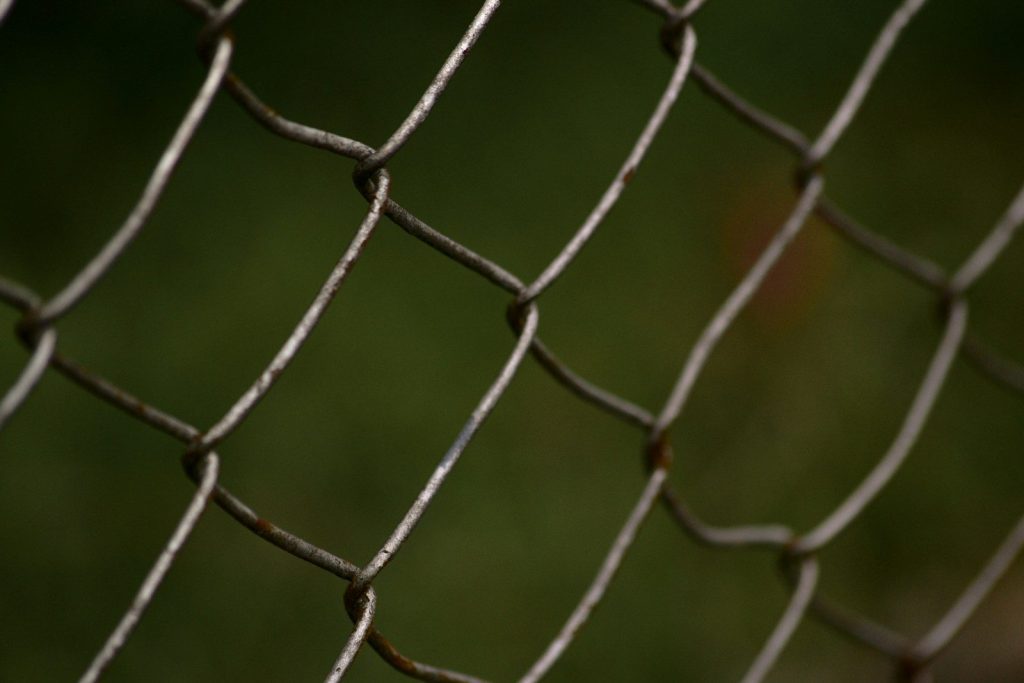
Squirrels are notorious for digging up freshly planted bulbs. A simple solution is to place chicken wire flat across the soil surface immediately after planting.
Shoots can grow through the openings, but the wire makes it much harder for squirrels to reach the bulbs below. Once plants are established, the wire is often hidden from view.
Protect Pots With Decorative River Stones
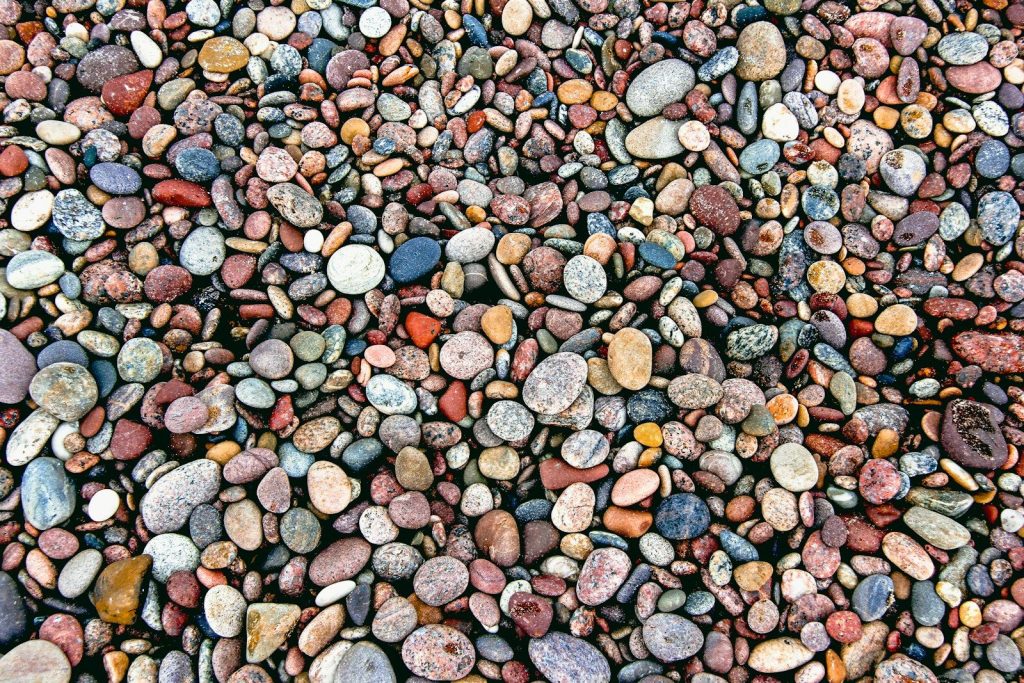
Container gardens are a favorite target because the soil is loose and easy to dig. Covering the surface with large river stones creates a barrier that discourages squirrels from treating pots like a storage site.
This hack can also help reduce moisture loss during hot weather. As a bonus, the stones often give containers a more finished appearance.
Plant Strong-Smelling Herbs Nearby
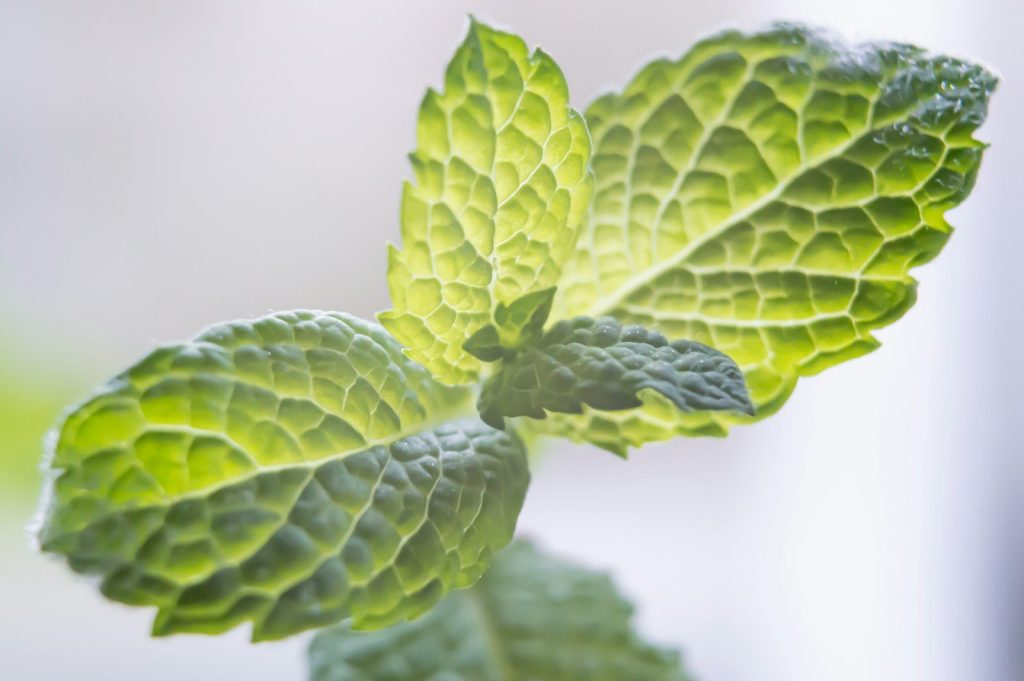
Squirrels rely heavily on their sense of smell when searching for food and hiding spots. Herbs such as mint, rosemary, lavender, and sage can add strong scents to planting areas.
While no plant guarantees complete protection, many gardeners find that fragrant herbs make garden beds less attractive to curious visitors.
Use Forks As A Temporary Digging Barrier
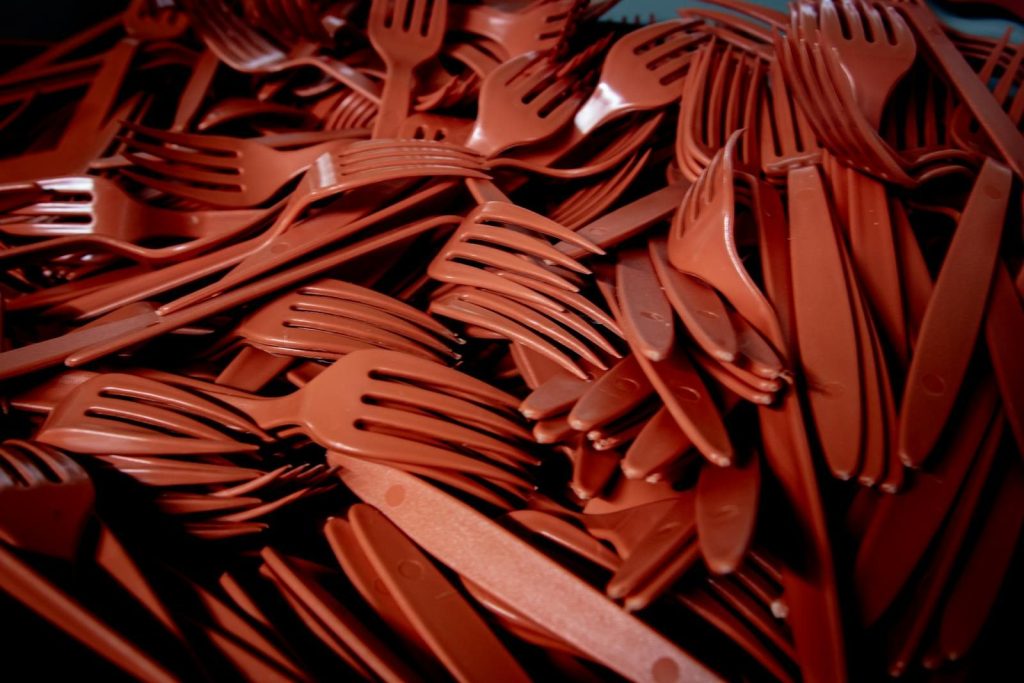
Plastic forks are a surprisingly popular gardening trick. Push them into the soil with the tines pointing upward around vulnerable seedlings or newly planted areas.
The obstacle makes digging less convenient without harming animals. Once plants become established, the forks can usually be removed.
Drape Netting Over Ripening Crops
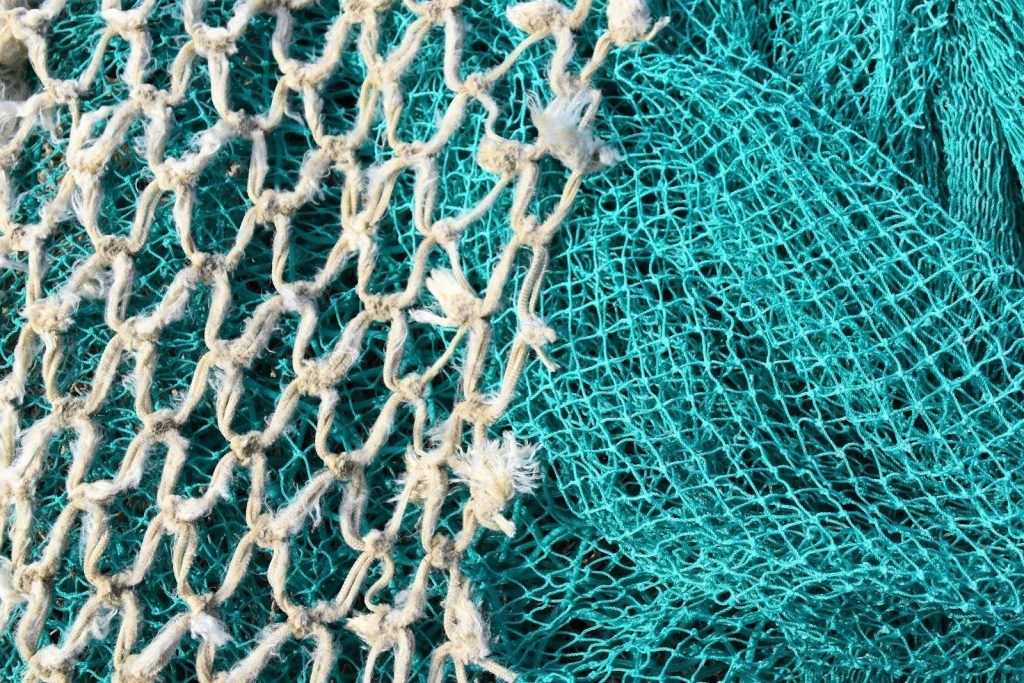
Strawberries, tomatoes, and other garden treats often attract squirrel attention just before harvest. Lightweight garden netting can help protect crops while still allowing sunlight and airflow.
Many gardeners use simple hoops or stakes to keep the netting elevated. This creates a protective barrier without crushing plants underneath.
Mulch With Sharp-Textured Materials
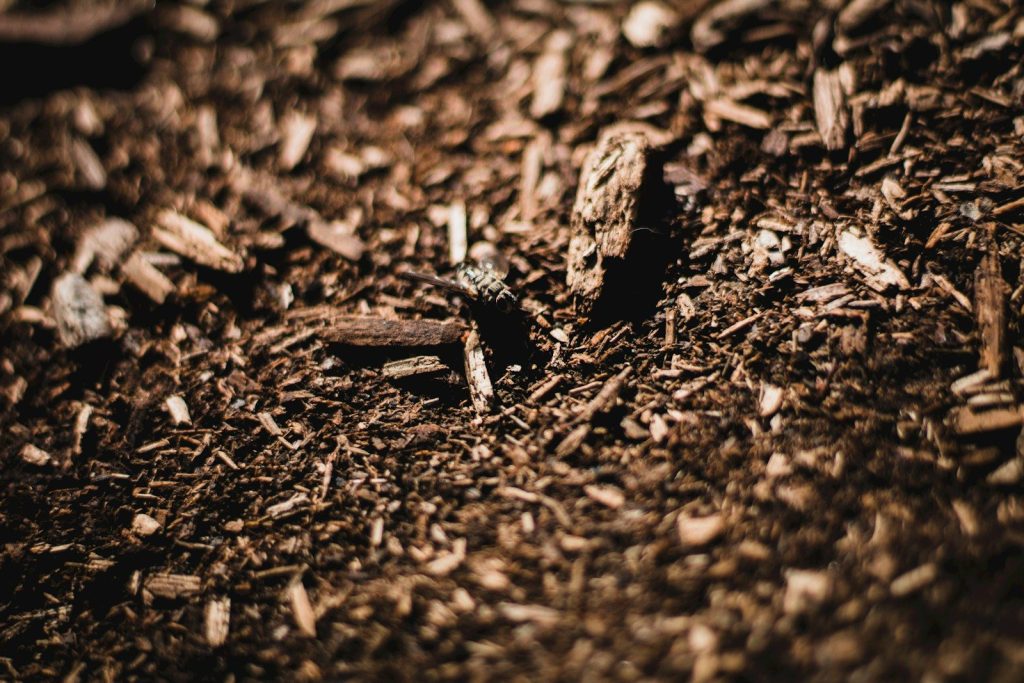
Some gardeners use pine needles, coarse bark, or similar materials around susceptible plants. These textures are often less comfortable for digging than loose, bare soil.
The mulch also helps conserve moisture and suppress weeds. It is a practical gardening solution that serves more than one purpose.
Create A Designated Digging Zone
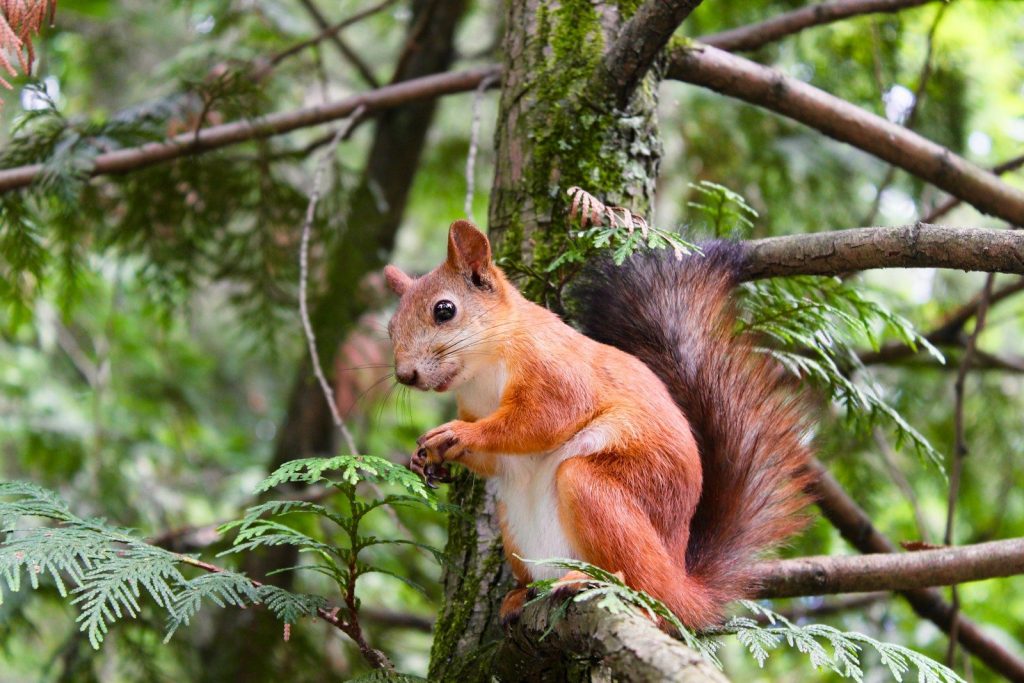
If squirrels frequently visit your yard, consider giving them an area of their own. A small corner with loose soil, leaf litter, or natural debris can sometimes draw attention away from prized plants.
While it is not foolproof, many gardeners find that providing an easier digging spot reduces activity in more sensitive areas of the landscape.
The Bottom Line
Protecting plants from squirrels is often about making your garden a little less convenient for digging and foraging. Simple tricks such as covering soil with stones, using temporary barriers, protecting crops with netting, and planting fragrant herbs can help reduce damage while allowing both your plants and local wildlife to coexist more peacefully.