

Winter often brings cravings for hearty meals, comfort foods, and warm treats. While there is nothing wrong with enjoying seasonal favorites, it can also be a great time to focus on nutrient-rich foods that support overall health during the colder months.
Many winter staples are packed with vitamins, minerals, fiber, and antioxidants that can help keep meals satisfying while adding valuable nutrition to your diet.
Here are 10 winter foods that can help you eat healthier all season long.
1. Sweet Potatoes

Sweet potatoes are a winter favorite for good reason. They provide fiber, vitamin A, and complex carbohydrates that can help keep you feeling satisfied.
Their natural sweetness works well in both savory and slightly sweet dishes, making them a versatile addition to winter meals.
Roasting, baking, or mashing them creates a comforting side dish with plenty of nutritional value.
2. Winter Squash
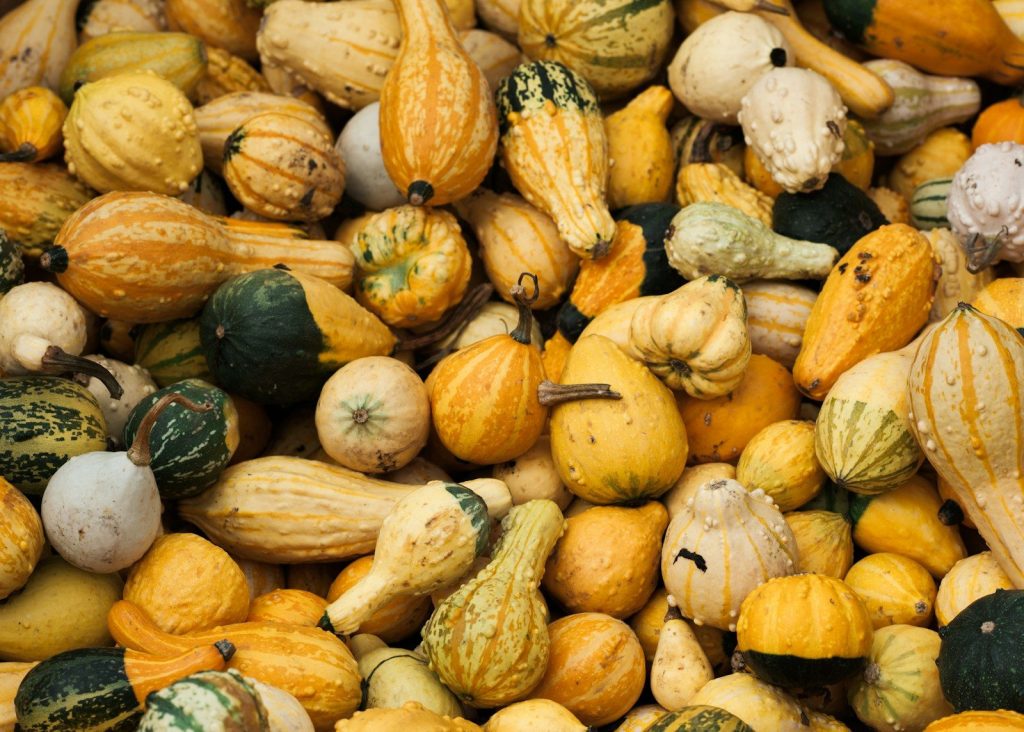
Varieties such as butternut, acorn, and delicata squash are packed with nutrients and flavor.
These vegetables provide fiber, vitamin C, and antioxidants while adding richness to soups, casseroles, and roasted vegetable dishes.
Their naturally creamy texture makes them especially appealing during colder weather.
3. Oatmeal
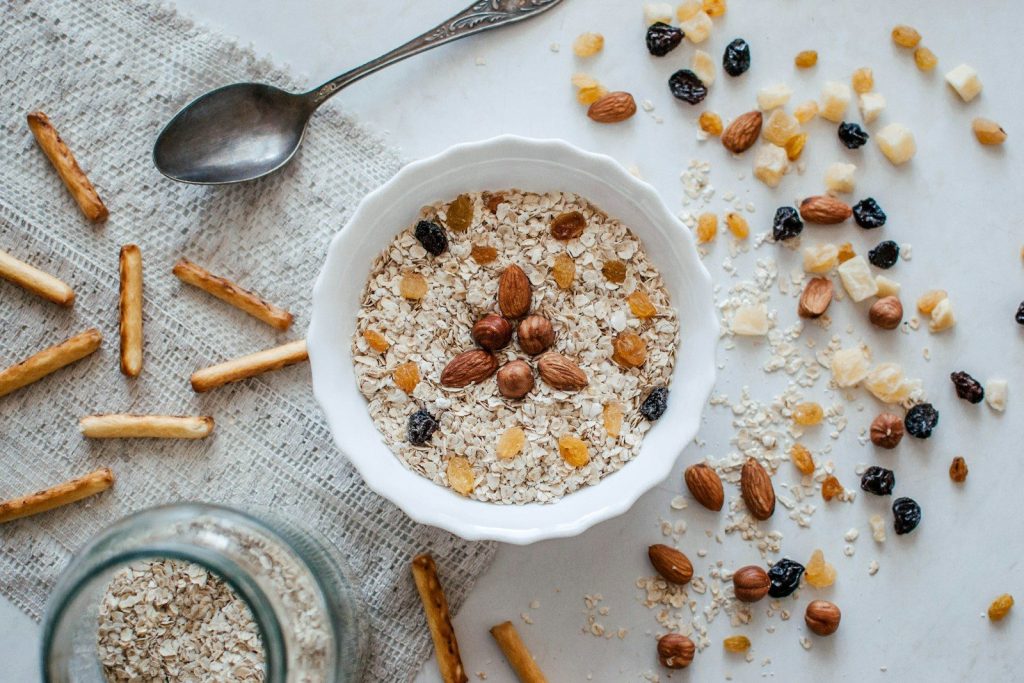
A warm bowl of oatmeal can be a comforting way to start a chilly morning.
Oats contain soluble fiber, which may help support heart health and promote fullness throughout the day.
Topping oatmeal with fruit, nuts, or cinnamon adds flavor and extra nutrients without requiring much effort.
4. Citrus Fruits
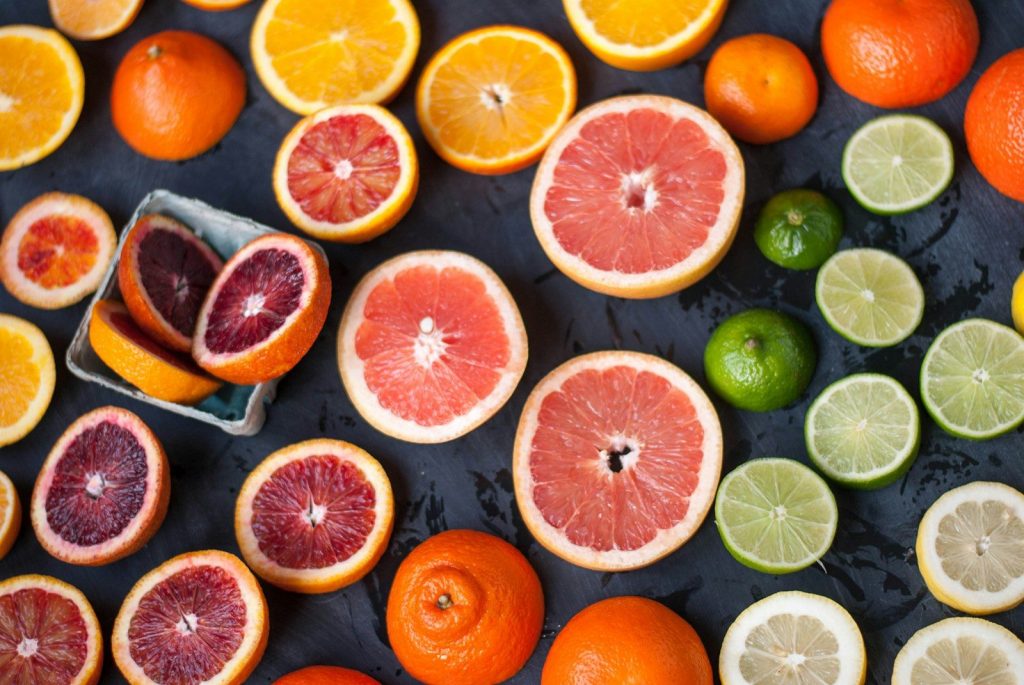
Oranges, grapefruits, clementines, and other citrus fruits reach peak season during winter.
They provide vitamin C, fiber, and hydration while offering a bright contrast to heavier winter foods.
Their refreshing flavor can help add variety to meals and snacks throughout the season.
5. Brussels Sprouts
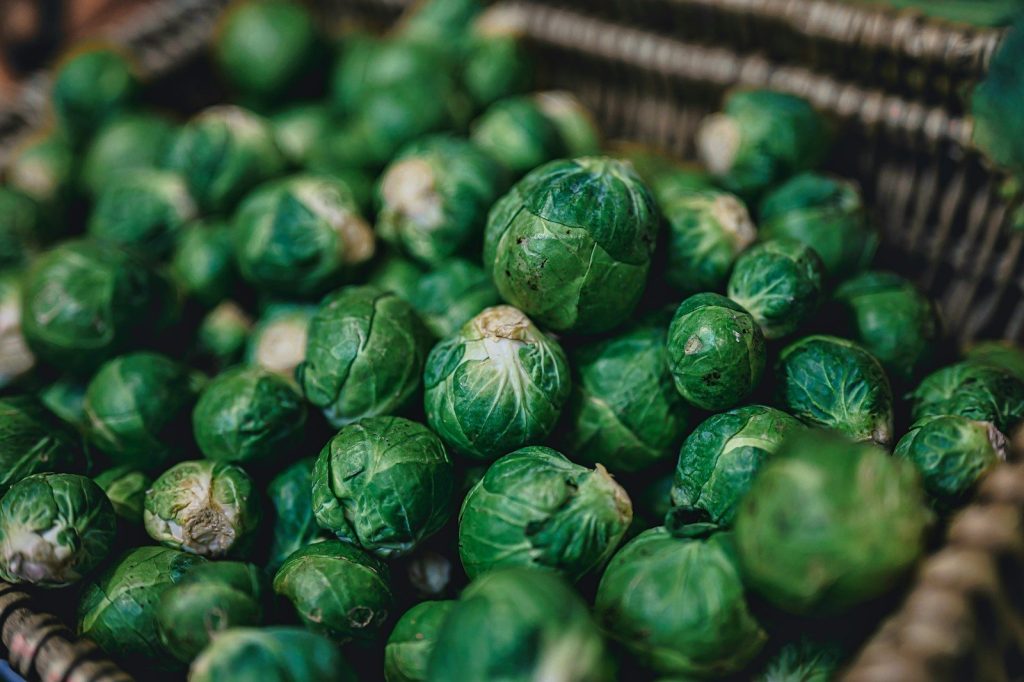
Brussels sprouts are rich in fiber, vitamins, and plant compounds that support overall health.
Roasting them brings out a slightly sweet flavor and crispy texture that many people enjoy.
They pair well with simple seasonings and can easily become a regular part of winter dinners.
6. Lentils
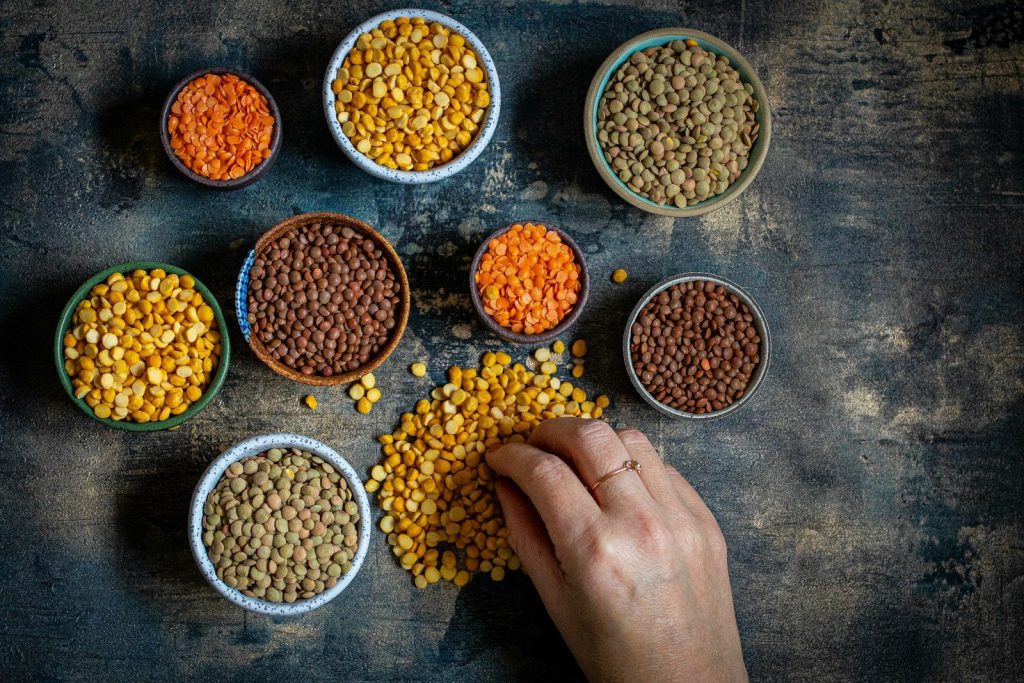
Lentils are an affordable source of plant protein, fiber, and important minerals.
They work especially well in soups, stews, and hearty winter meals because they provide substance without feeling overly heavy.
Their high fiber content may also help support digestive health.
7. Cabbage
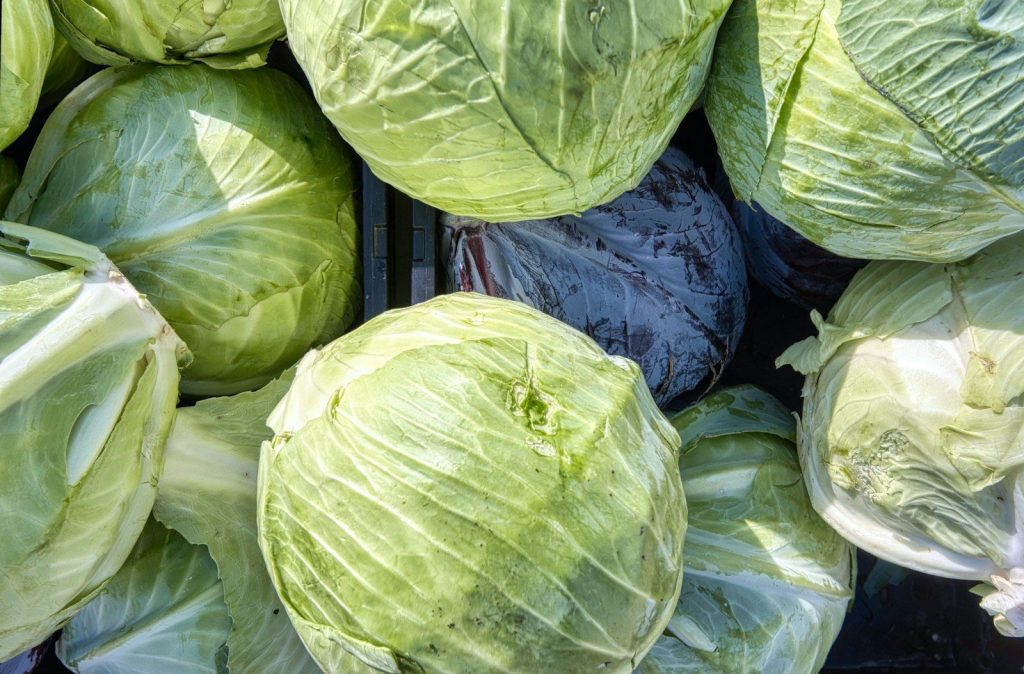
Cabbage is one of the most underrated winter vegetables.
It stores well, remains affordable, and provides fiber, vitamin C, and antioxidants. It can be used in soups, slaws, stir-fries, and roasted vegetable dishes.
Its versatility makes it easy to incorporate into a variety of meals.
8. Pomegranates
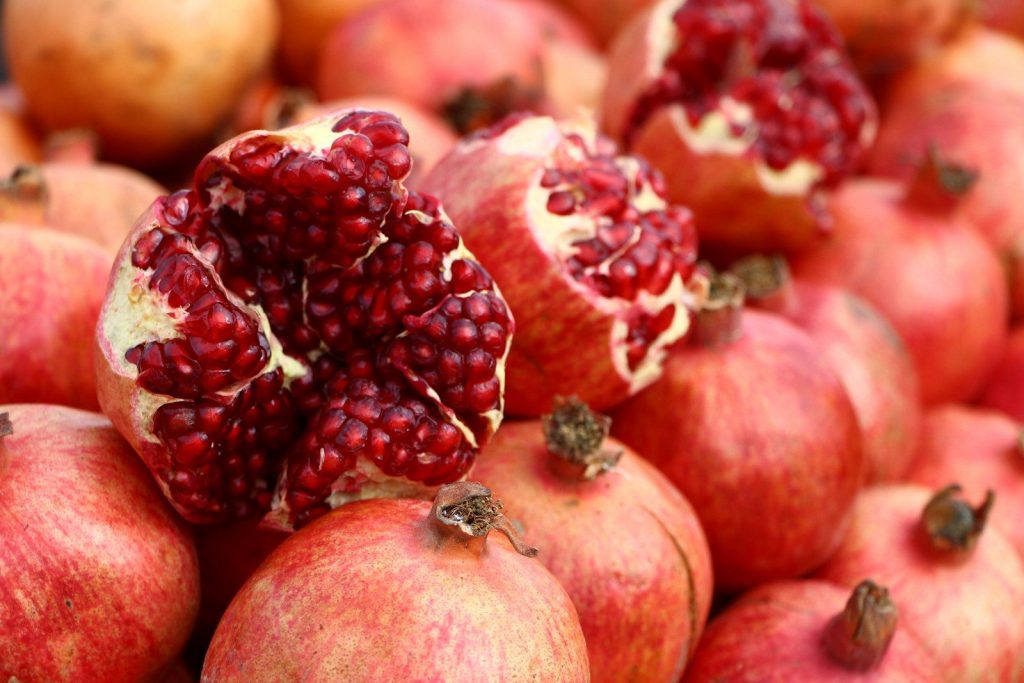
Pomegranates are loaded with antioxidants and bring a burst of color to winter dishes.
The juicy seeds can be sprinkled over salads, yogurt, oatmeal, or grain bowls for added texture and flavor.
They also make healthy snacks when eaten on their own.
9. Dark Leafy Greens
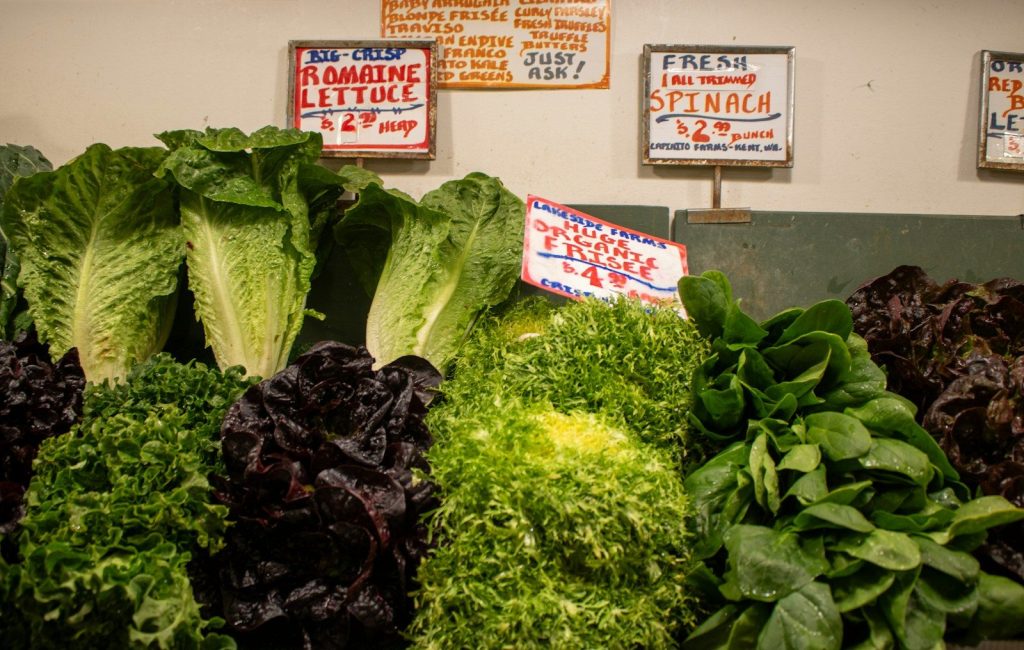
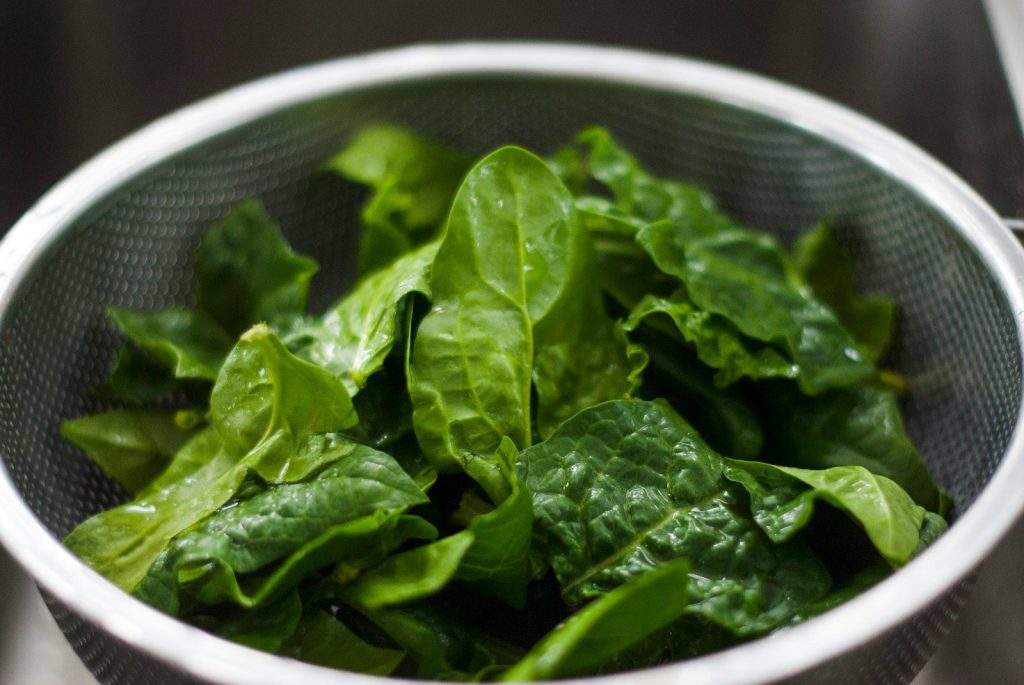
Kale, collard greens, Swiss chard, and spinach continue to provide important nutrients during the colder months.
These greens contain vitamins A, C, and K along with fiber and beneficial plant compounds.
They can be added to soups, stews, smoothies, and side dishes for an easy nutritional boost.
10. Beans
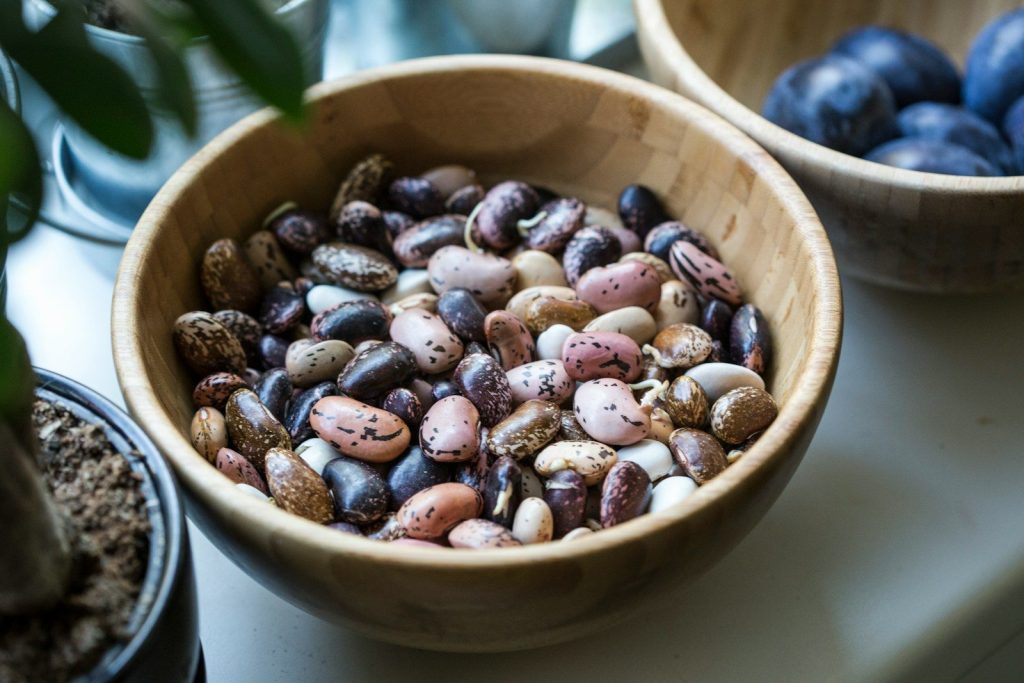
Beans are filling, versatile, and rich in fiber and protein.
Black beans, kidney beans, chickpeas, and white beans can help create satisfying winter meals that support healthy eating goals.
They are especially useful in soups, chili, grain bowls, and casseroles.
Final Thoughts
Eating healthier during winter does not mean giving up comforting meals. Seasonal foods like sweet potatoes, squash, citrus fruits, and lentils can add both nutrition and flavor to cold-weather menus.
Making room for these wholesome ingredients throughout the season can help support healthy habits while still enjoying everything winter has to offer.