

Bell peppers are productive plants, but they do not always thrive on their own. The right companions can help attract pollinators, discourage pests, improve soil conditions, or make better use of garden space. These companion planting hacks focus on practical pairings that many gardeners use to help create healthier, more productive pepper patches.
Plant Sweet Alyssum To Bring In Beneficial Insects
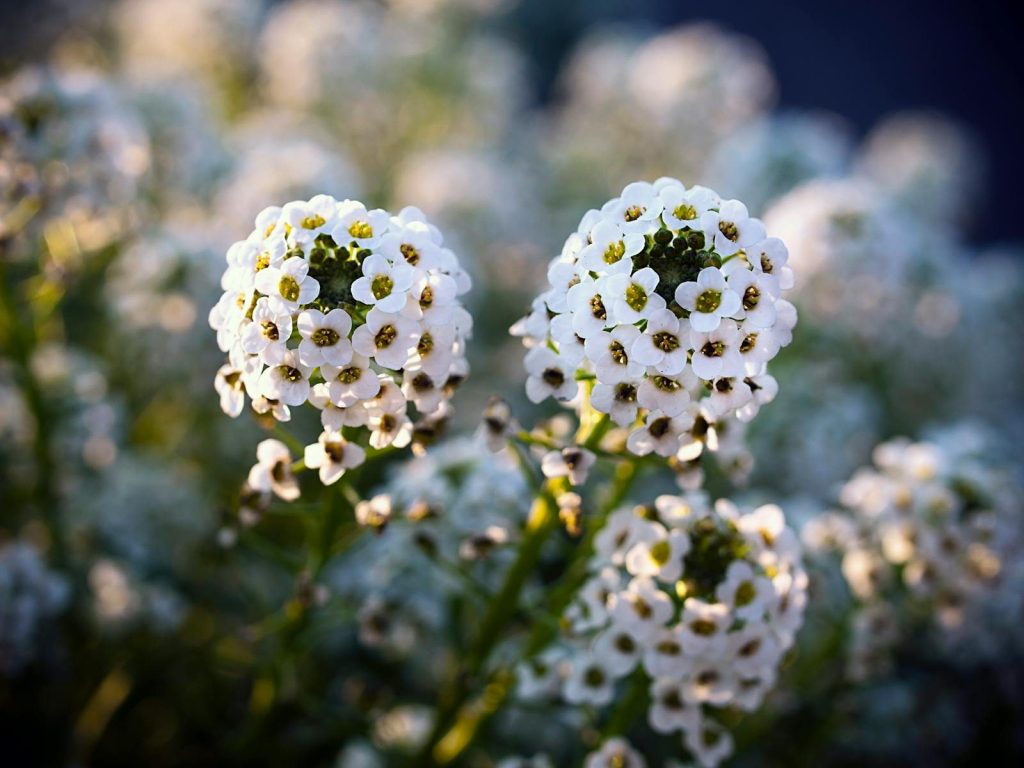
Sweet alyssum produces clusters of tiny flowers that attract hoverflies and other beneficial insects.
These helpful visitors may assist with managing aphids and other common garden pests.
Grow Basil Nearby For A Multi-Purpose Garden Pairing
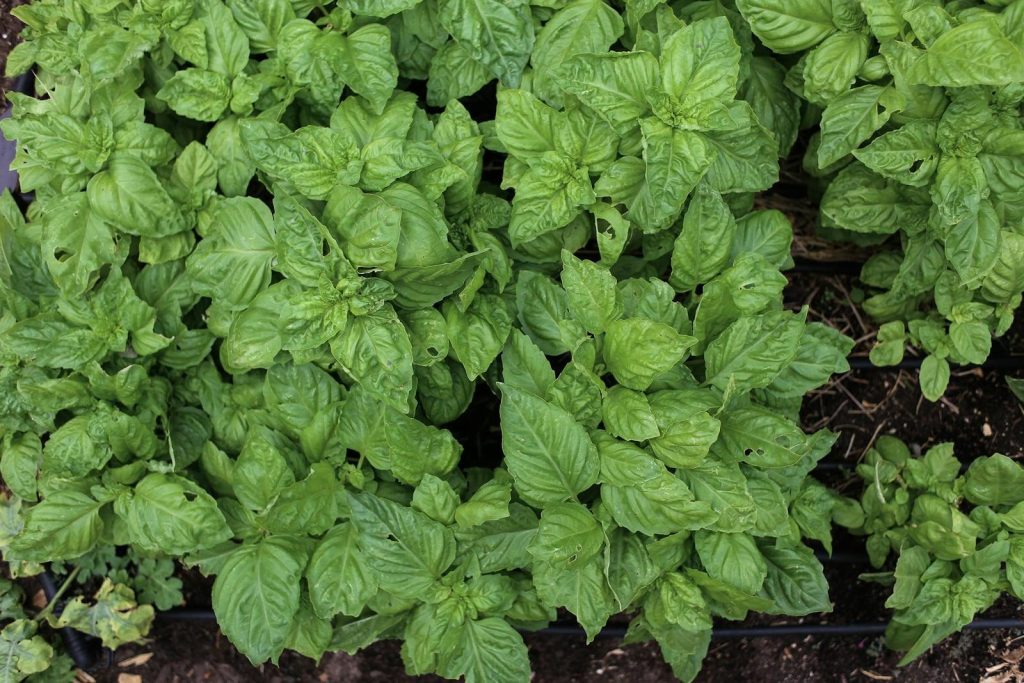
Basil is one of the most popular companions for peppers.
Its compact growth habit makes it easy to tuck between pepper plants while maximizing garden space.
Add Marigolds Around The Border
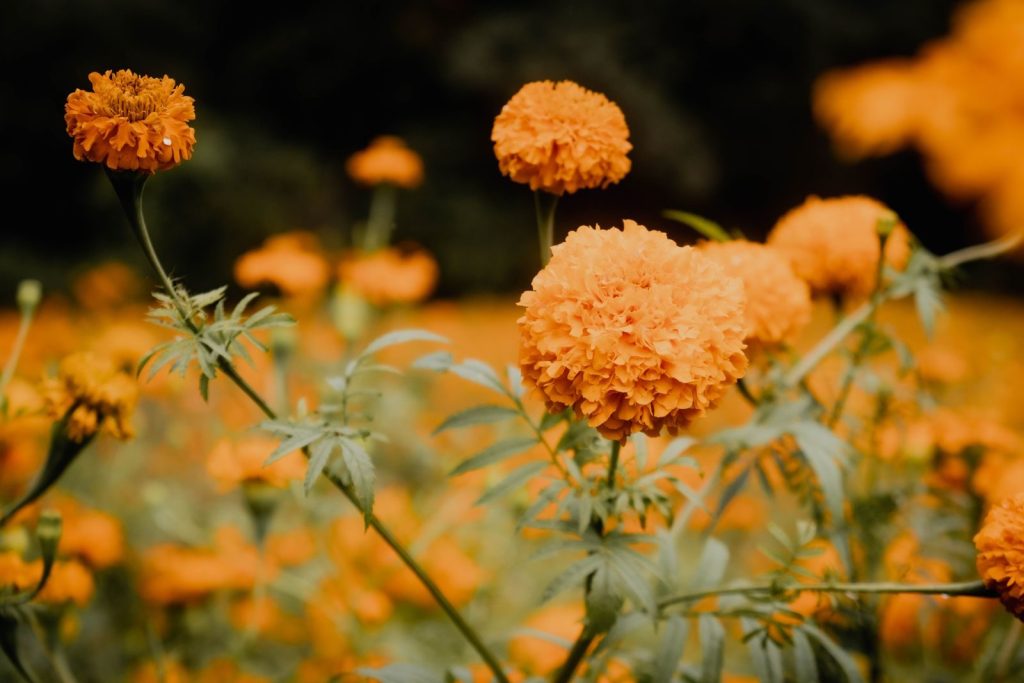
Marigolds are frequently used in vegetable gardens because of their bright flowers and reputation for helping deter certain pests.
They also add colour around pepper beds.
Use Nasturtiums As A Trap Crop
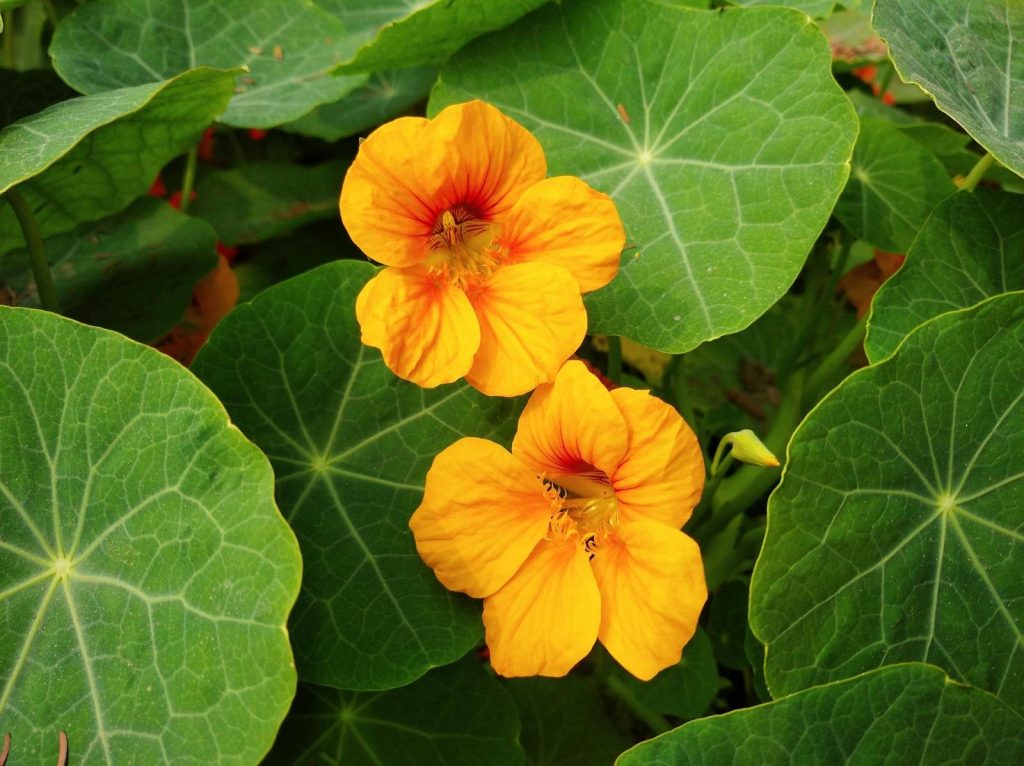
Nasturtiums can attract aphids away from vegetables in some gardens.
Their trailing growth and colorful blooms make them both practical and decorative.
Let Green Onions Fill Empty Spaces
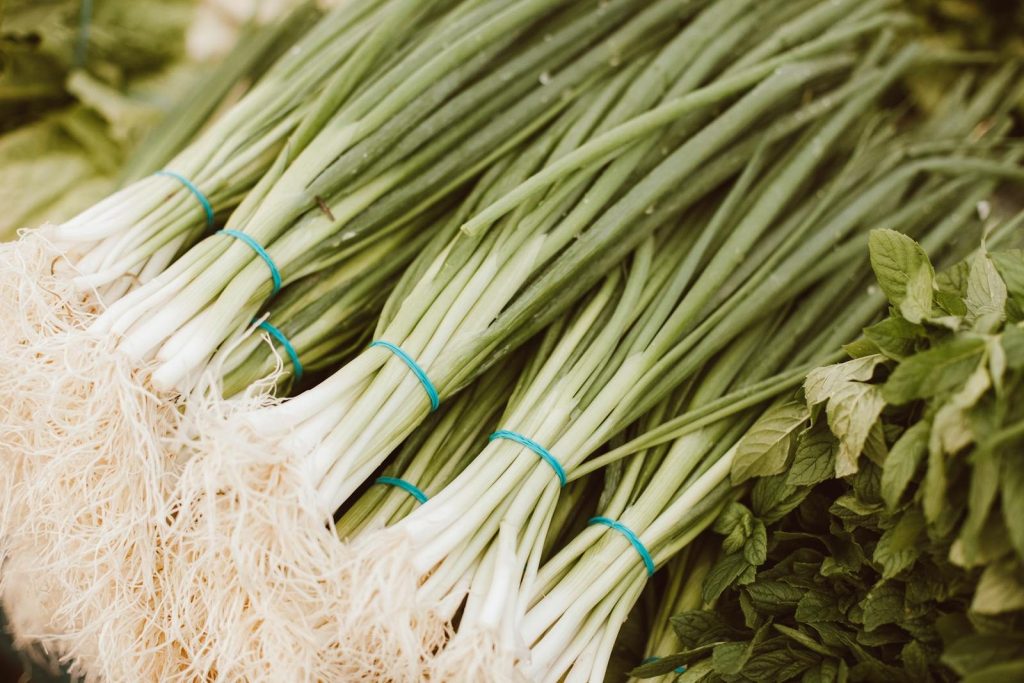
Green onions take up very little room and can fit between pepper plants.
This pairing helps maximize planting space in raised beds and smaller gardens
Grow Borage For Pollinator Activity
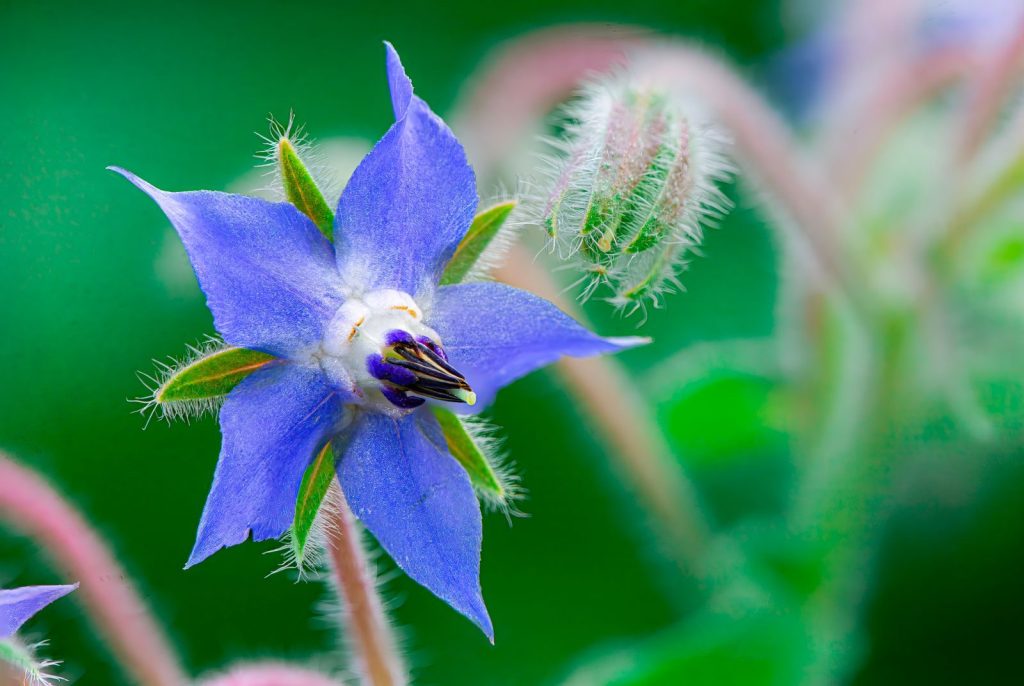
Borage produces star-shaped blue flowers that are highly attractive to bees.
More pollinator visits can help support flowering plants throughout the garden.
Plant Lettuce Beneath Peppers
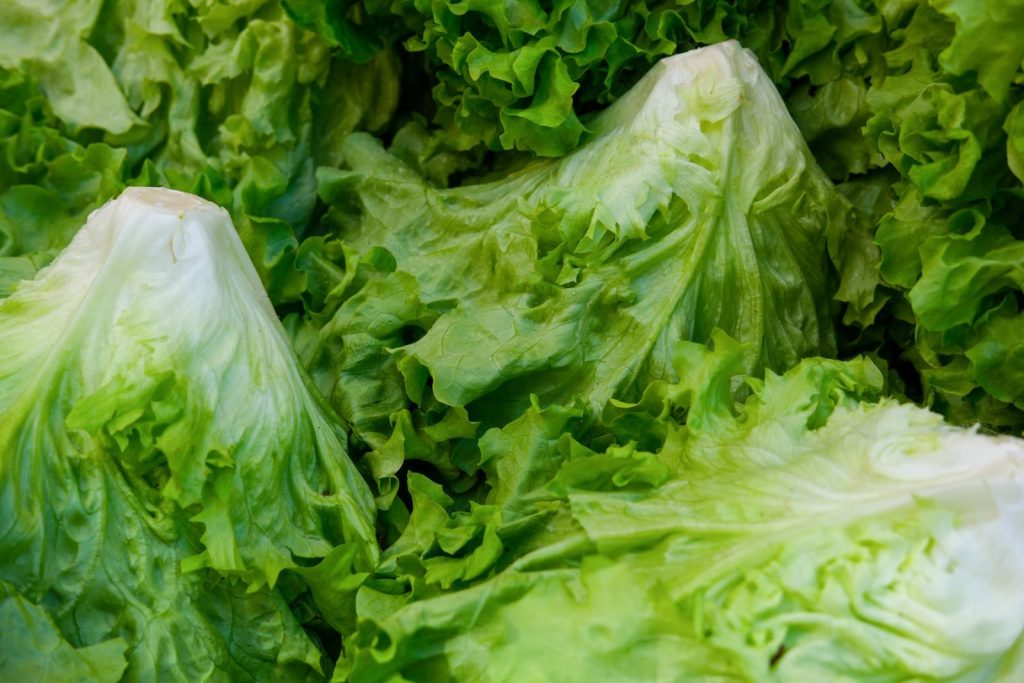
Lettuce can act as a living mulch beneath taller pepper plants.
This helps make use of otherwise empty soil while reducing direct sun exposure on the ground.
Include Dill For Beneficial Insects
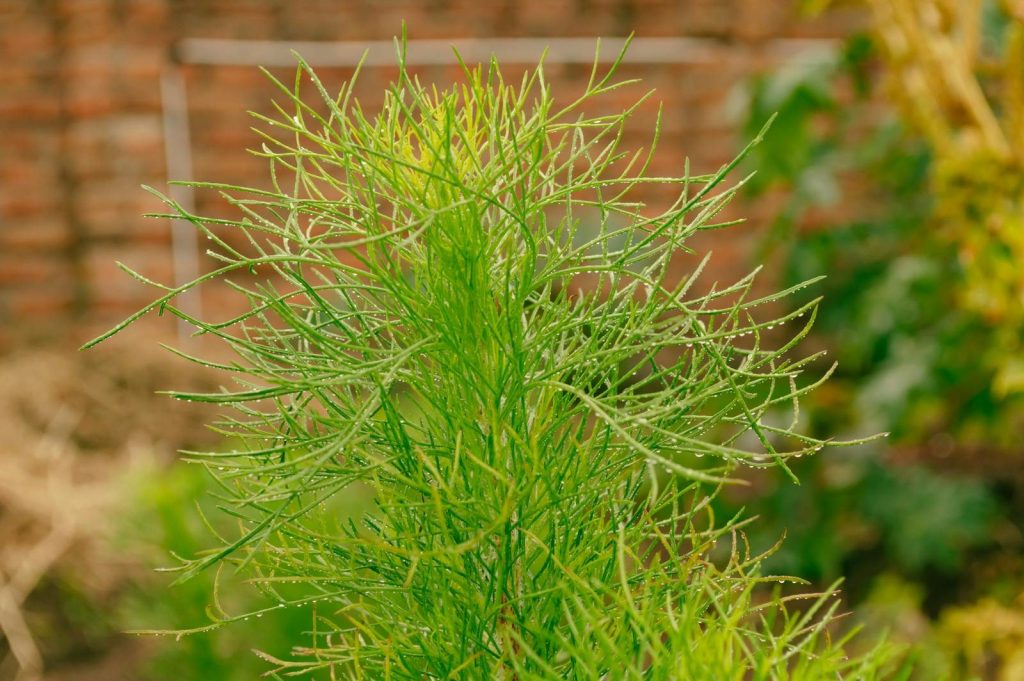
When allowed to flower, dill attracts a variety of pollinators and beneficial insects.
Its airy growth habit usually does not compete heavily with peppers for space.
A Diverse Garden Often Performs Better
Companion planting is not a guarantee of bigger harvests, but many gardeners find that diverse planting schemes help create a healthier and more balanced growing environment. By mixing flowers, herbs, and vegetables around bell peppers, you can encourage beneficial insects while making better use of garden space.