

Mini pineapples may look exotic, but they are surprisingly easy to grow at home with a little patience. Whether you’re growing them for their fruit, ornamental appeal, or simply for fun, these tropical plants can make a unique addition to a patio, greenhouse, or sunny windowsill. Here are a few practical tricks that can help you grow healthier plants and improve your chances of success.
1. Start With A Healthy Pineapple Crown
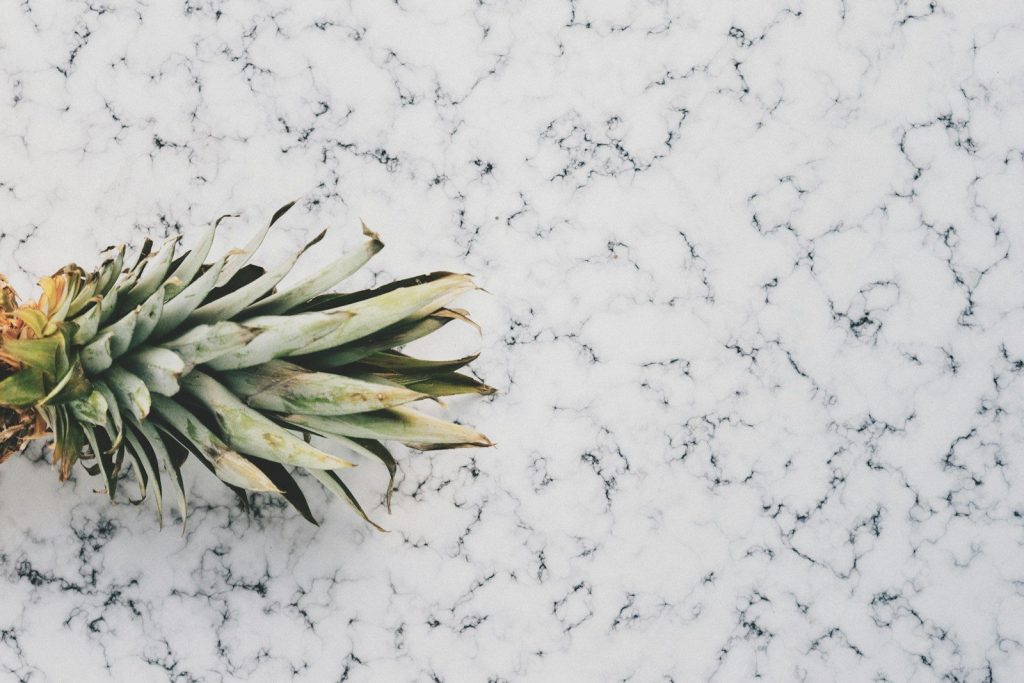
One of the easiest ways to begin is by using the leafy crown from a fresh pineapple. Twist or cut off the crown, remove a few lower leaves, and allow the base to dry for a day or two before planting.
This drying period helps reduce the risk of rot once the crown is placed in soil. Many gardeners find that starting with a healthy crown is the most important step in the entire process.
2. Use A Pot That Drains Quickly
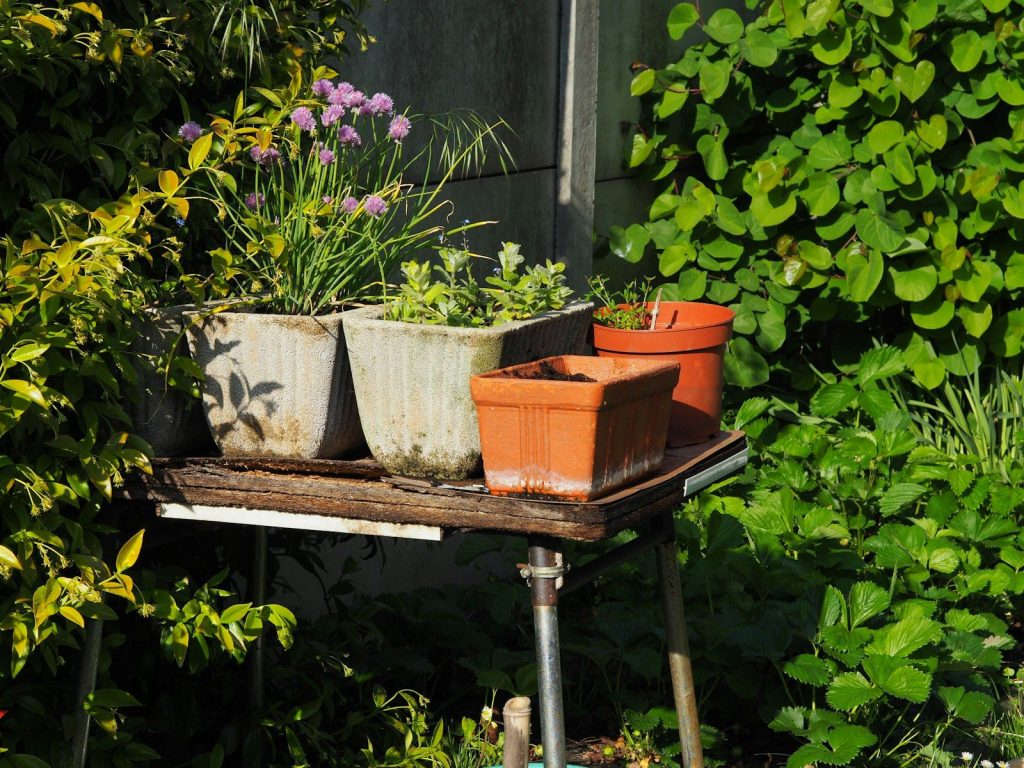
Pineapples dislike sitting in wet soil for long periods. Choose a container with drainage holes and fill it with a loose, fast-draining potting mix designed for tropical plants or succulents.
Good drainage helps keep roots healthy and reduces the chances of fungal problems. A slightly smaller pot is often better than an oversized container that stays wet for too long.
3. Give The Plant As Much Sun As Possible

Pineapples are sun lovers and perform best when they receive several hours of bright light each day. A sunny patio, balcony, greenhouse, or south-facing window is usually ideal.
Insufficient light often leads to slower growth and weaker plants. The more sunlight your pineapple receives, the happier it is likely to be.
4. Water The Center Of The Plant Occasionally
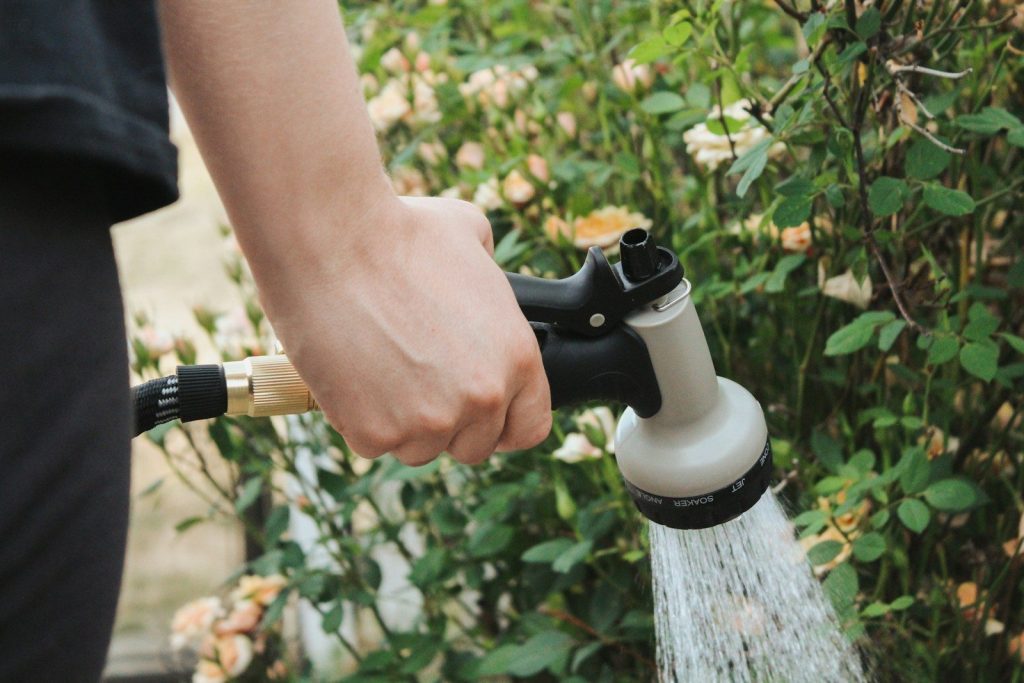
Unlike many houseplants, pineapples naturally collect water in the center of their leafy rosette. Gardeners often pour a small amount of water into the middle of the plant in addition to watering the soil.
This mimics the way pineapples gather moisture in nature. Just avoid allowing the center to remain constantly flooded.
5. Feed Lightly During The Growing Season
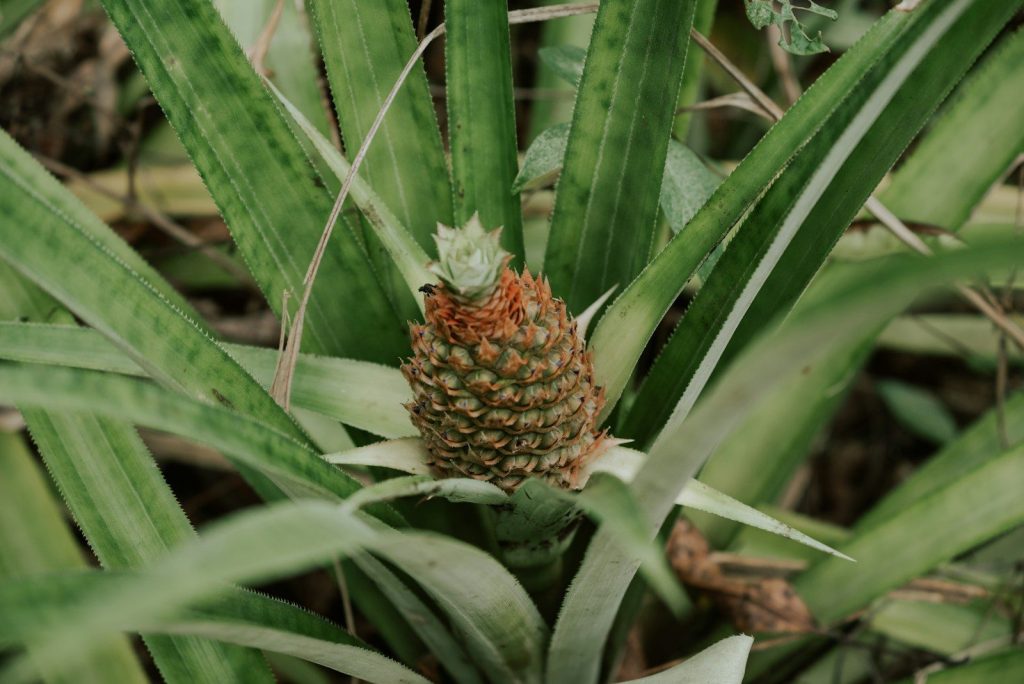
Mini pineapples benefit from occasional feeding while actively growing. A balanced liquid fertilizer applied every few weeks during warmer months can support healthy foliage and root development.
There is usually no need to overdo it. Consistent, moderate feeding often works better than heavy applications.
6. Move Plants Outdoors In Warm Weather
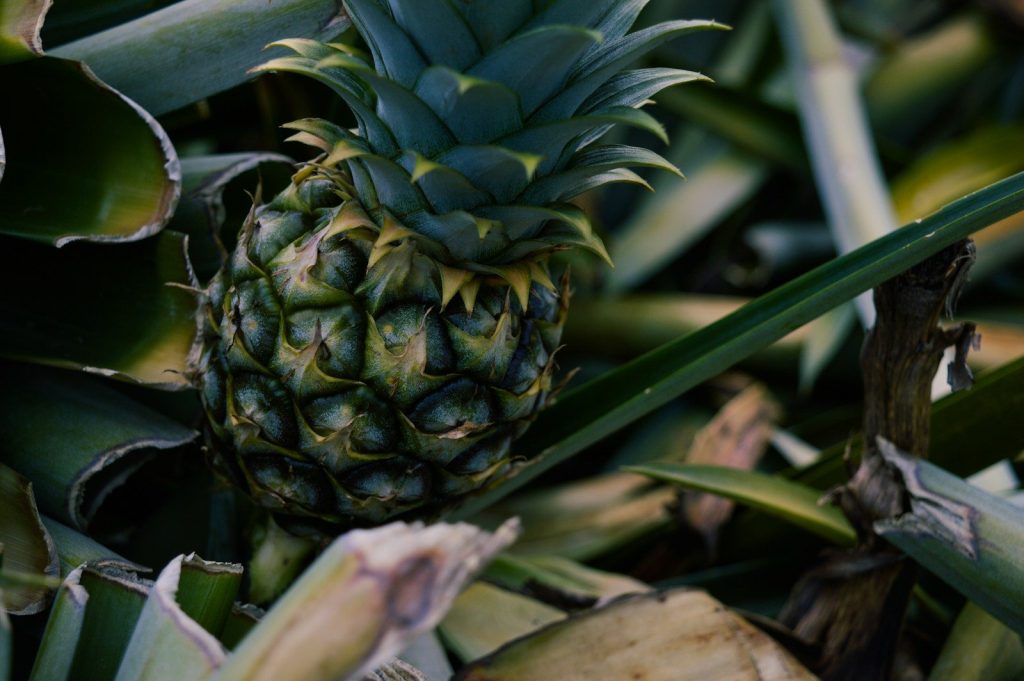
If temperatures remain warm, placing your pineapple outdoors during summer can provide a noticeable growth boost. Increased light and airflow often encourage stronger development.
Be sure to introduce the plant gradually to prevent leaf scorch. Once acclimated, many pineapple plants thrive outdoors during the warmest months.
7. Encourage Flowering With A Ripe Apple

A well-known gardener’s trick involves placing a ripe apple beside the pineapple plant and covering both with a clear plastic bag for several days. As the apple ripens, it releases ethylene gas.
This gas can sometimes encourage mature pineapple plants to begin the flowering process. While it does not work every time, many gardeners enjoy trying this simple technique.
8. Let The Plant Produce Offsets
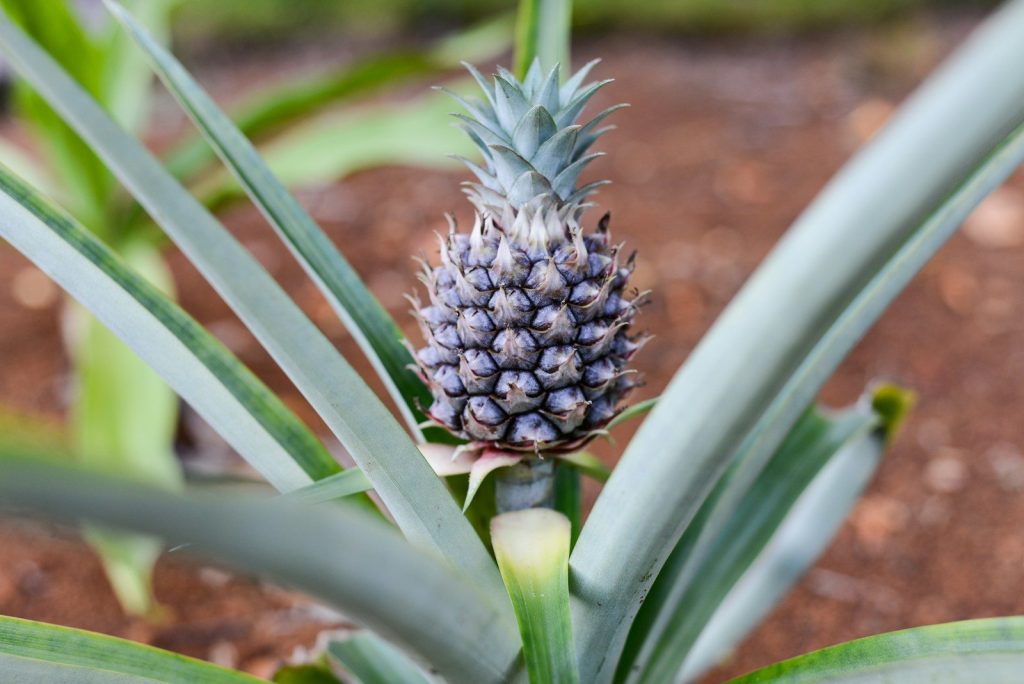
After fruiting, pineapple plants often produce small offsets, sometimes called pups, around the base. These baby plants can be separated and grown into new pineapples once they become large enough.
Allowing pups to develop gives you additional plants without spending money on new ones. Many gardeners continue the cycle for years from a single original pineapple.
The Bottom Line
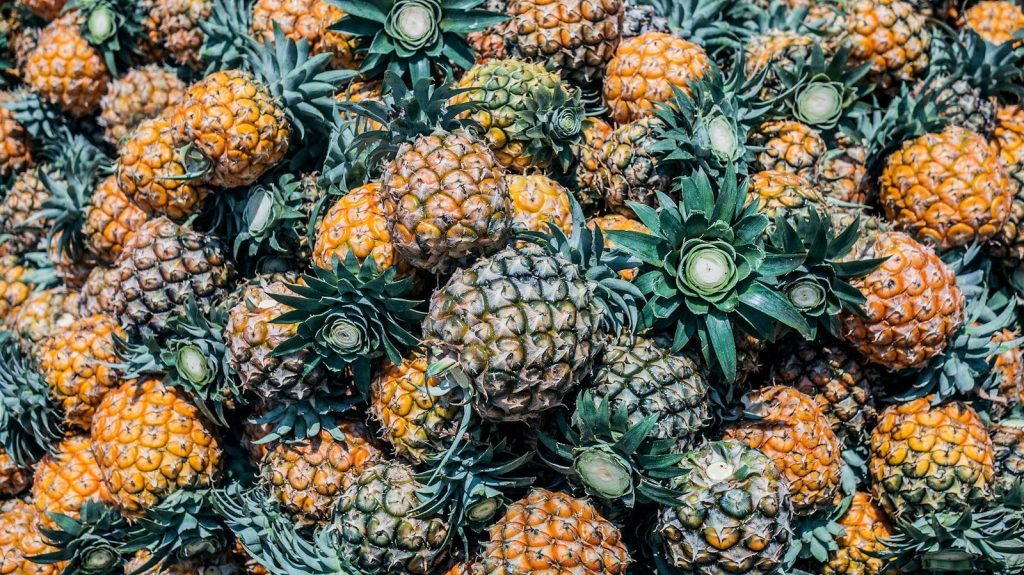
Growing mini pineapples at home requires patience, but it can be a surprisingly rewarding project. With plenty of sunlight, good drainage, and a few clever tricks such as using a ripe apple to encourage flowering, you can enjoy a tropical plant that is as interesting to grow as it is to display.