

Peonies may steal the show for a few short weeks, but what you do after they bloom can have a major impact on next year’s flowers. Many gardeners focus on peonies when they’re in bloom, yet the real secret to bigger, healthier displays often starts months earlier. These practical peony tricks can help set the stage for a spectacular spring show.
1. Mark Your Best Plants Before The Flowers Fade
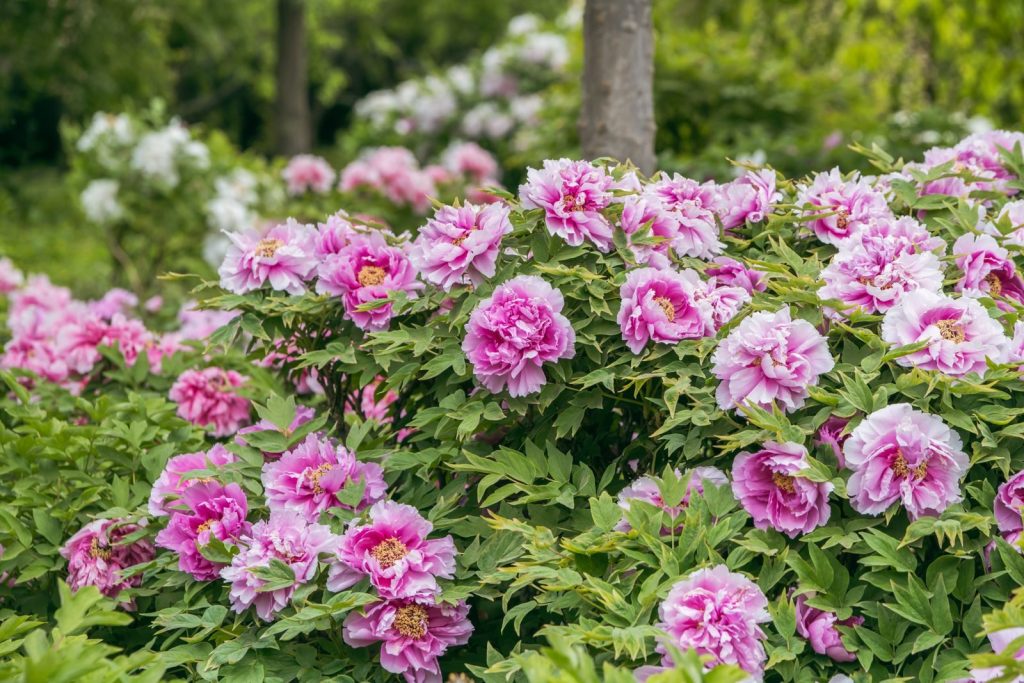
Once peonies finish blooming, it can be surprisingly difficult to remember which varieties produced the biggest flowers or the strongest stems. Tie a ribbon or plant marker to your top performers while they’re still fresh in your mind.
This makes it much easier to divide, photograph, or replicate your favorite plants later. It is a simple trick that can save a lot of guesswork when planning future garden improvements.
2. Cut Spent Blooms Before Seed Pods Form
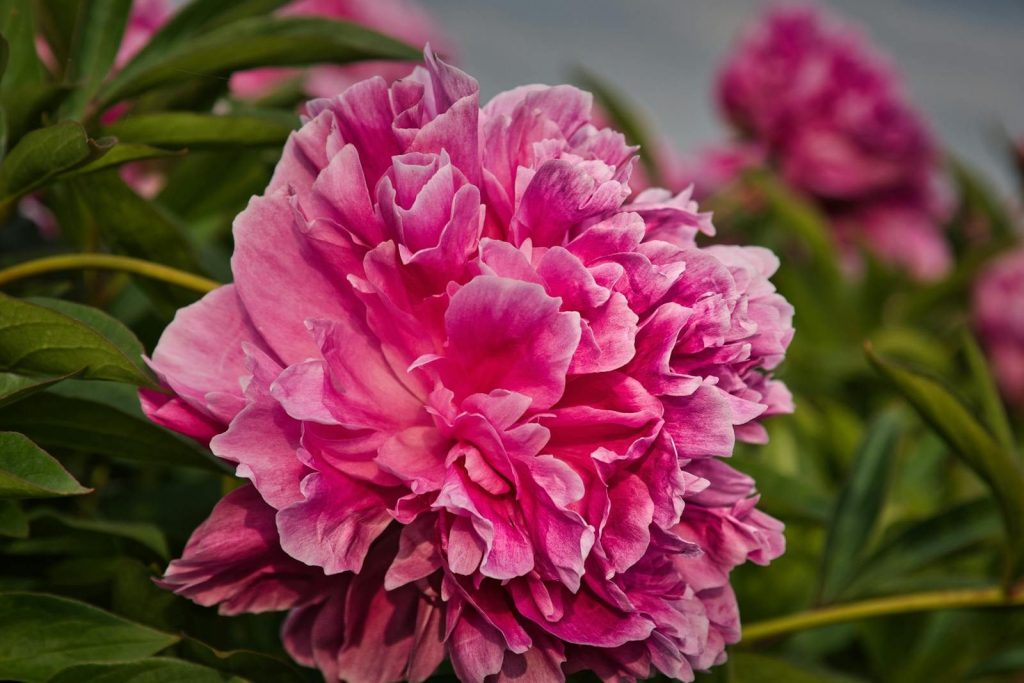
After flowers fade, peonies often begin directing energy toward seed production. Snipping off spent blooms before seed pods fully develop helps the plant focus on strengthening roots and storing energy.
The foliage continues gathering sunlight throughout summer, supporting the growth needed for next year’s flower buds. It only takes a few minutes but can pay off next spring.
3. Use Tomato Cages As Invisible Supports
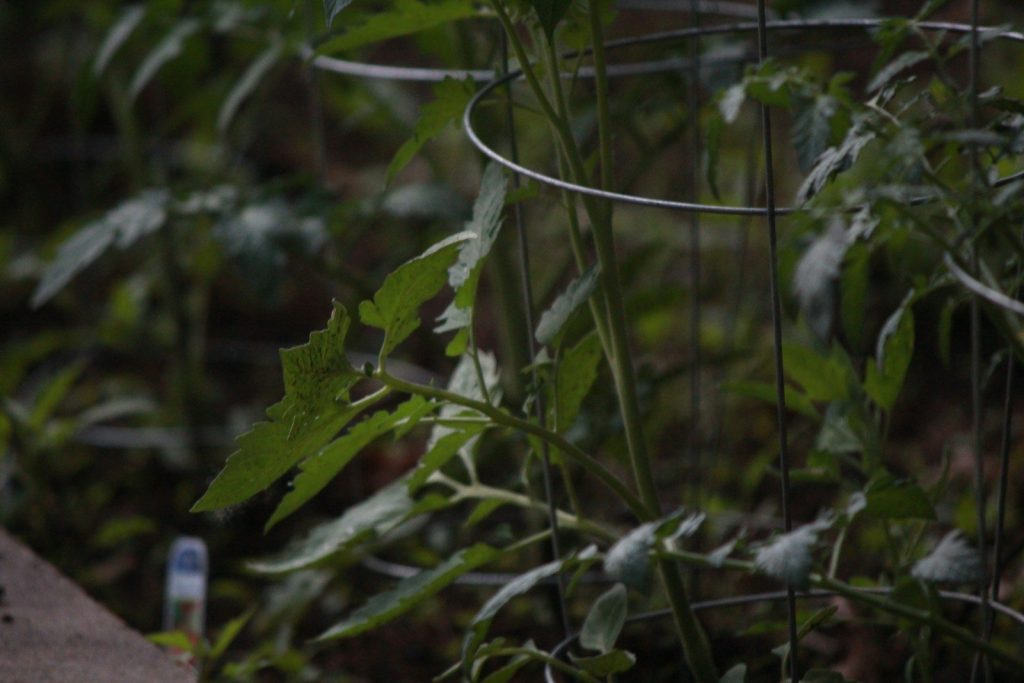
Many peonies flop after heavy rain because the blooms become too heavy for the stems. Instead of waiting until flowering season, place a tomato cage around the plant early in the year.
As the foliage grows, it hides most of the support structure. By bloom time, the cage is barely noticeable but helps keep flowers upright.
4. Snap Photos Of Blooming Plants For Future Planning
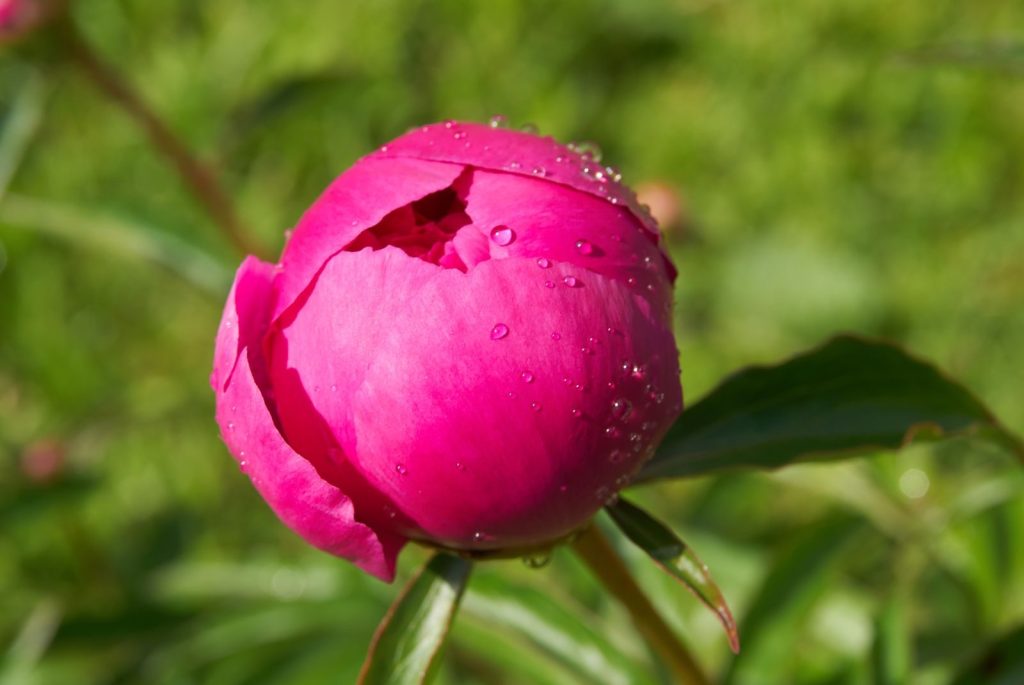
When peonies are in full bloom, take photos from several angles and distances. Include nearby plants, garden structures, and pathways in the pictures.
These images become valuable references later when deciding whether a peony needs dividing, relocating, or pairing with different companion plants. Many gardeners wish they had taken more photos once the blooms are gone.
5. Leave The Foliage Alone Until It Naturally Fades
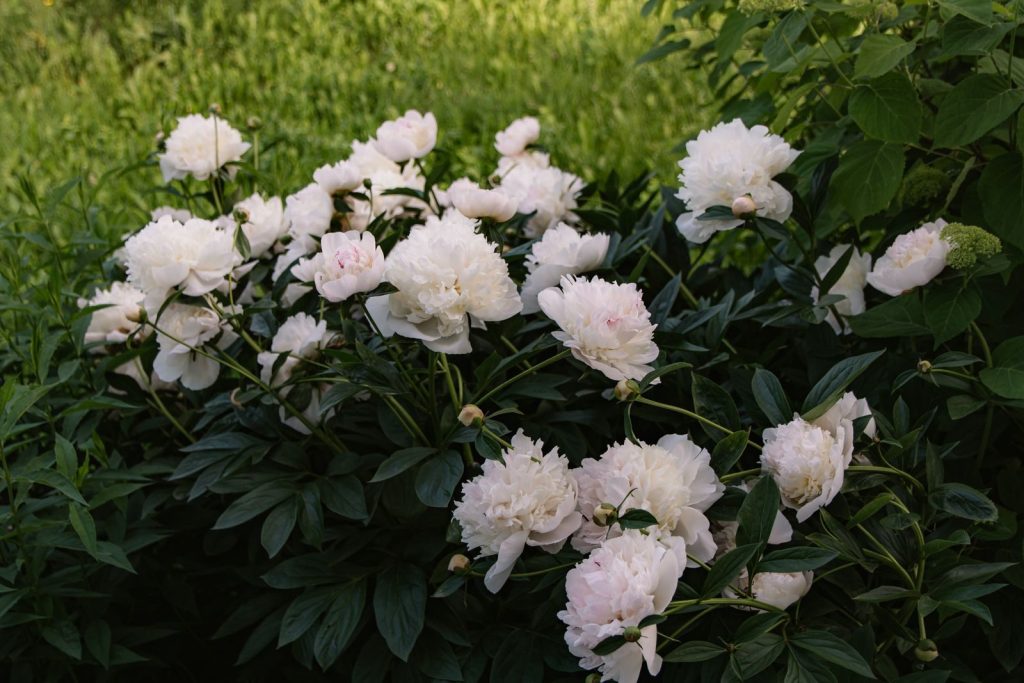
It can be tempting to cut peony foliage back once the flowers are finished. However, those leaves are still hard at work producing energy that will fuel next year’s display.
Healthy foliage acts like a solar panel throughout summer and early fall. The longer it remains healthy, the more resources the plant can store underground.
6. Add Compost In A Wide Ring Around The Plant
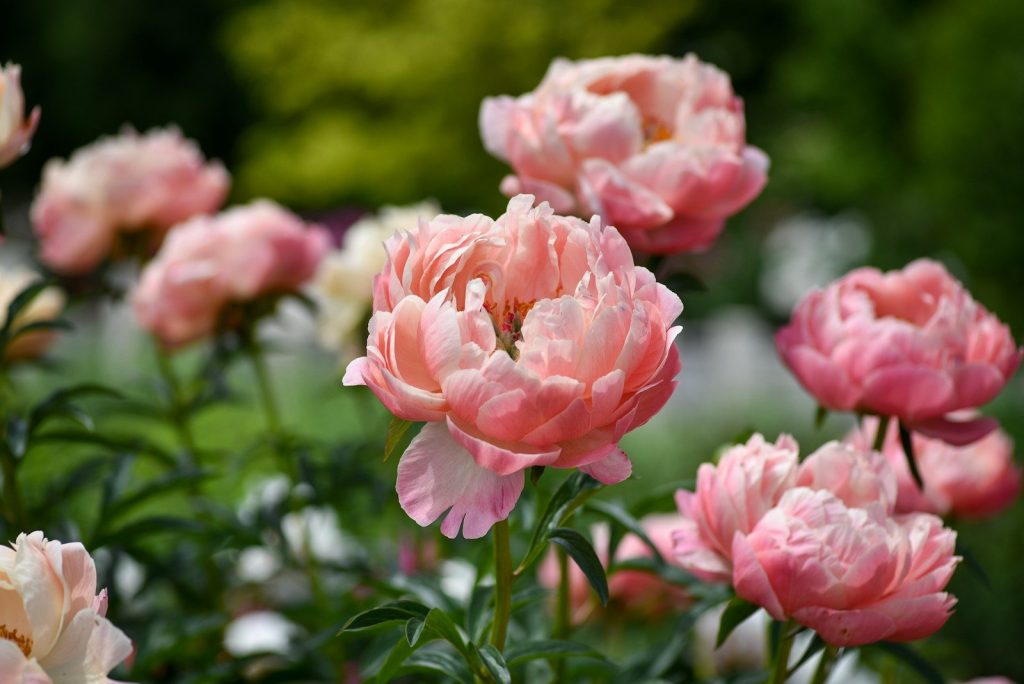
Rather than piling compost directly against the crown, spread it in a broad ring around the plant. This encourages roots to access nutrients without burying the crown too deeply.
Many gardeners use this trick each year to gradually improve soil quality. It is a low-effort way to support stronger growth over time.
7. Keep A Mulch-Free Zone Around The Crown
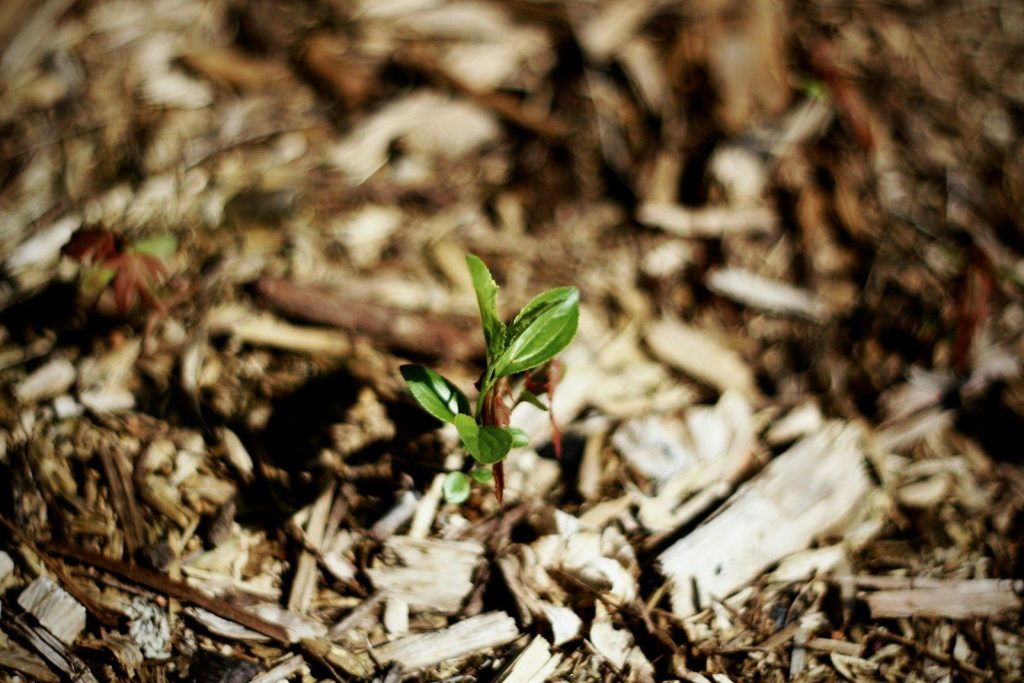
One common mistake is allowing mulch to build up directly over the crown where new shoots emerge. Peonies generally perform best when the crown remains relatively exposed.
Pulling mulch back a few inches can help reduce the risk of poor flowering. It is a quick adjustment that takes only seconds to make.
8. Mark Empty Spaces Before Dormancy
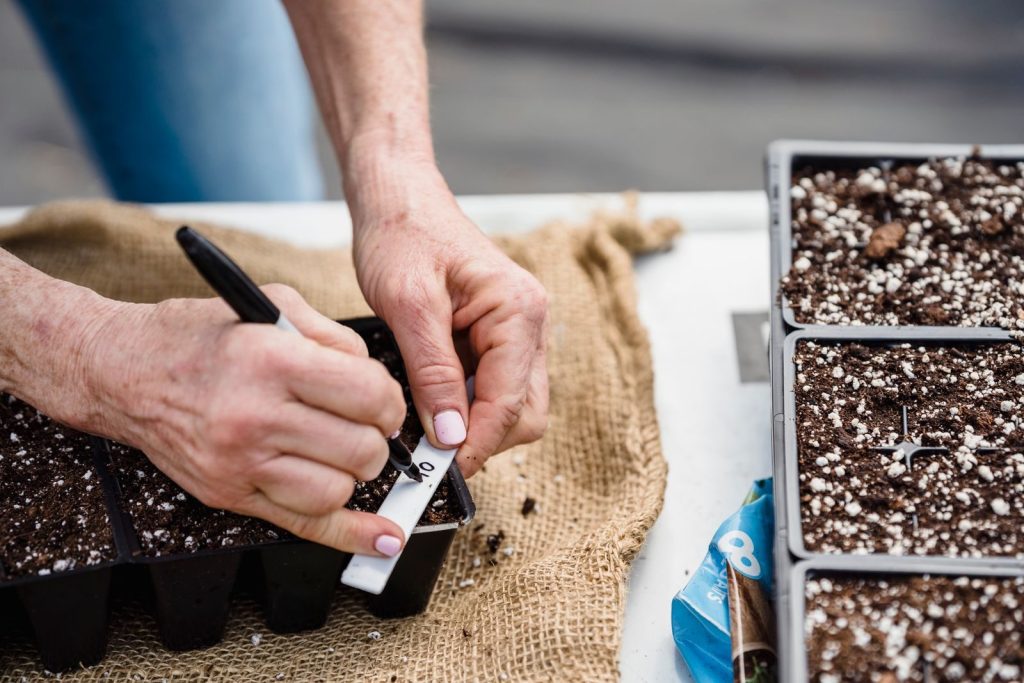
By winter, herbaceous peonies disappear completely, making it easy to forget where they are planted. Place a small marker, stake, or decorative stone nearby before the foliage dies back.
This prevents accidental digging and makes spring garden work much easier. It also helps when adding bulbs or new plants around established peonies.
The Bottom Line
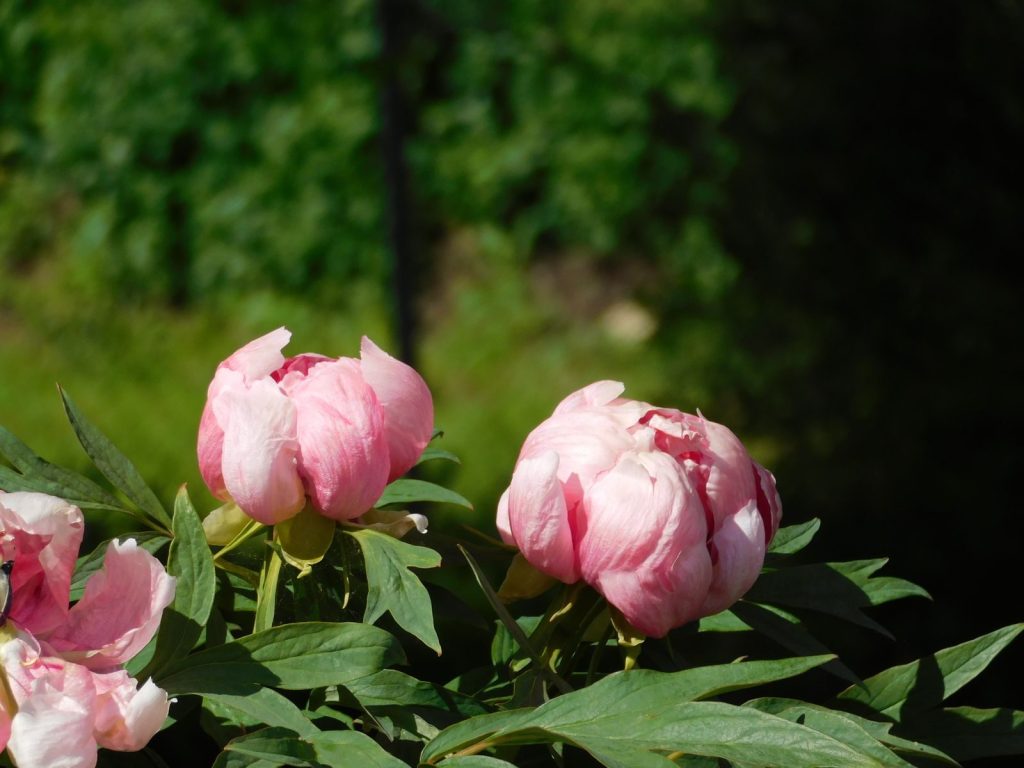
The secret to spectacular peonies next spring often begins long before winter arrives. Small actions such as deadheading spent blooms, protecting the crown, supporting stems, and caring for the foliage can help plants store the energy they need for an even better floral display next year.