

Hot weather can quickly turn a vibrant garden into a patch of faded blooms and stressed plants. Fortunately, experienced gardeners use a variety of simple tricks to help flowers keep producing even when rain is scarce and temperatures soar. These practical hacks can help you enjoy more color and longer-lasting blooms throughout summer.
1. Bury A Clay Pot Next To Thirsty Flowers
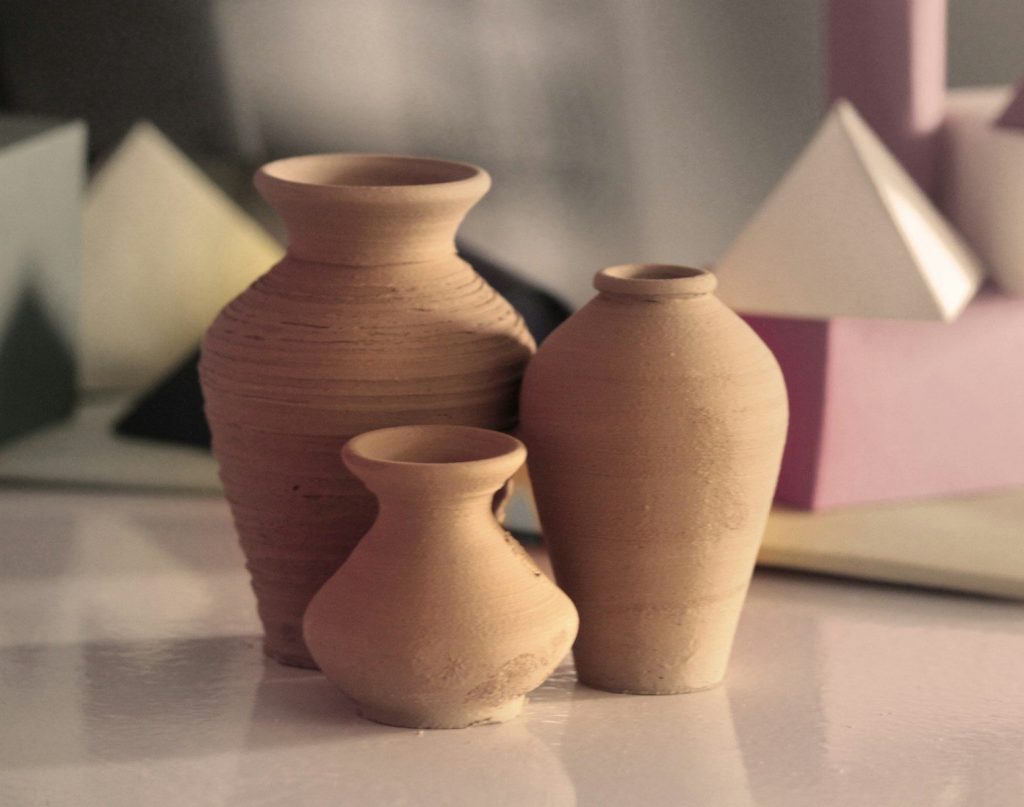
Instead of watering the soil surface every day, bury an unglazed terracotta pot near flower beds with the rim above ground. Fill the pot with water and let moisture slowly seep through the porous clay.
This delivers water directly to the root zone where plants need it most. Many gardeners find they water less often while keeping flowers healthier during heat waves.
2. Deadhead Into A Bucket As You Walk
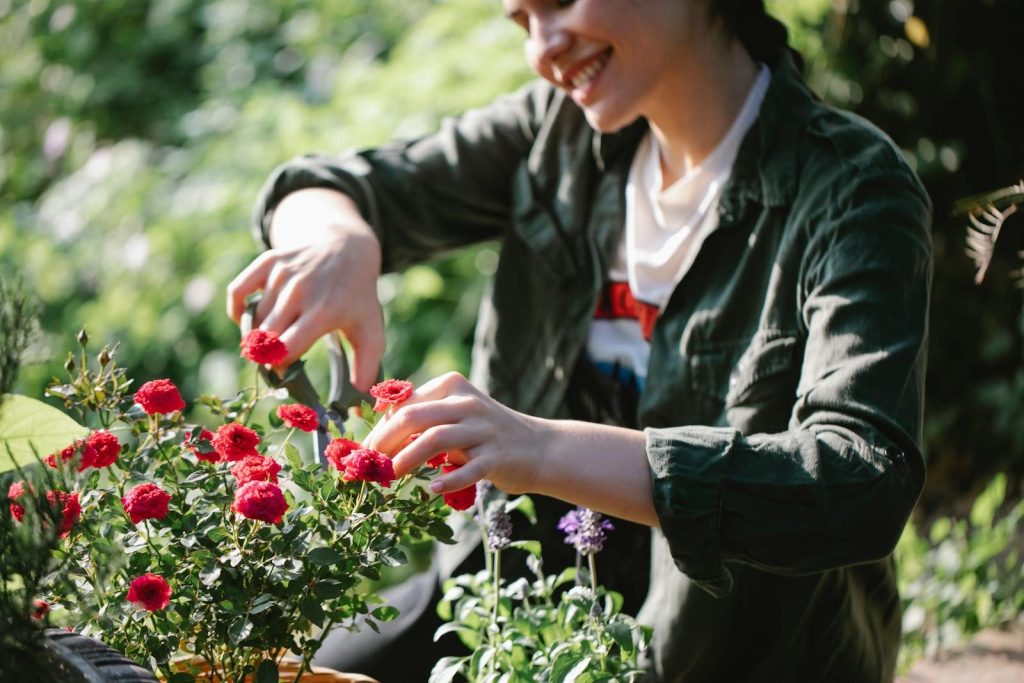
Most gardeners know deadheading helps encourage more blooms, but many put it off because it feels like a separate chore. Keep a small bucket or container nearby whenever you’re outside.
Snipping spent flowers while doing other garden tasks makes the habit easier to maintain. Many annuals and perennials respond by producing fresh blooms instead of directing energy toward seed production.
3. Mulch With Shredded Leaves Around Flower Beds
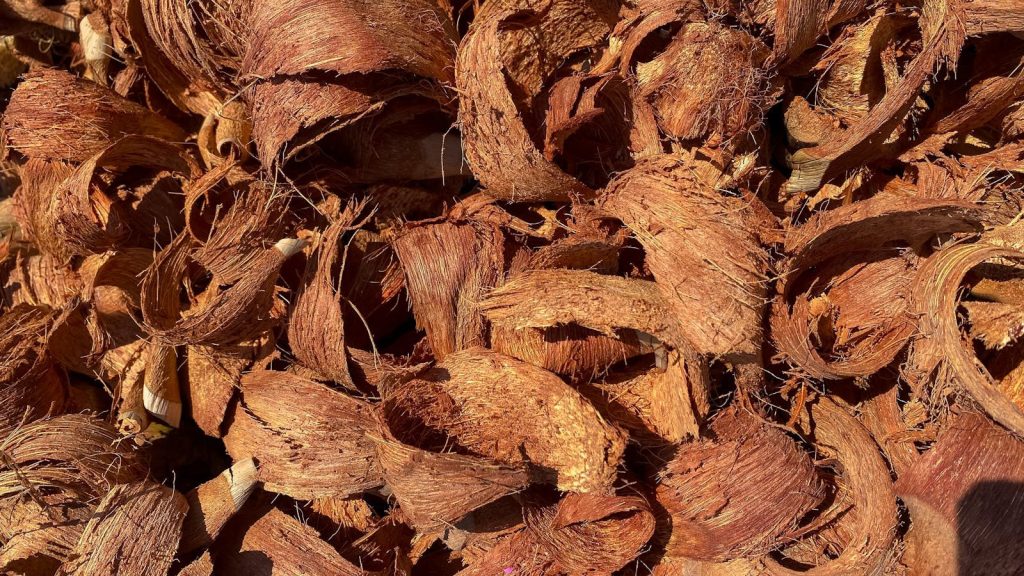
Store-bought mulch is not the only option. Shredded leaves create a protective layer that helps keep soil cooler and slows moisture loss during hot weather.
As the leaves break down, they also add organic matter to the soil. This can improve water retention over time and help flowers better handle dry conditions.
4. Pinch Back Leggy Plants In Early Summer
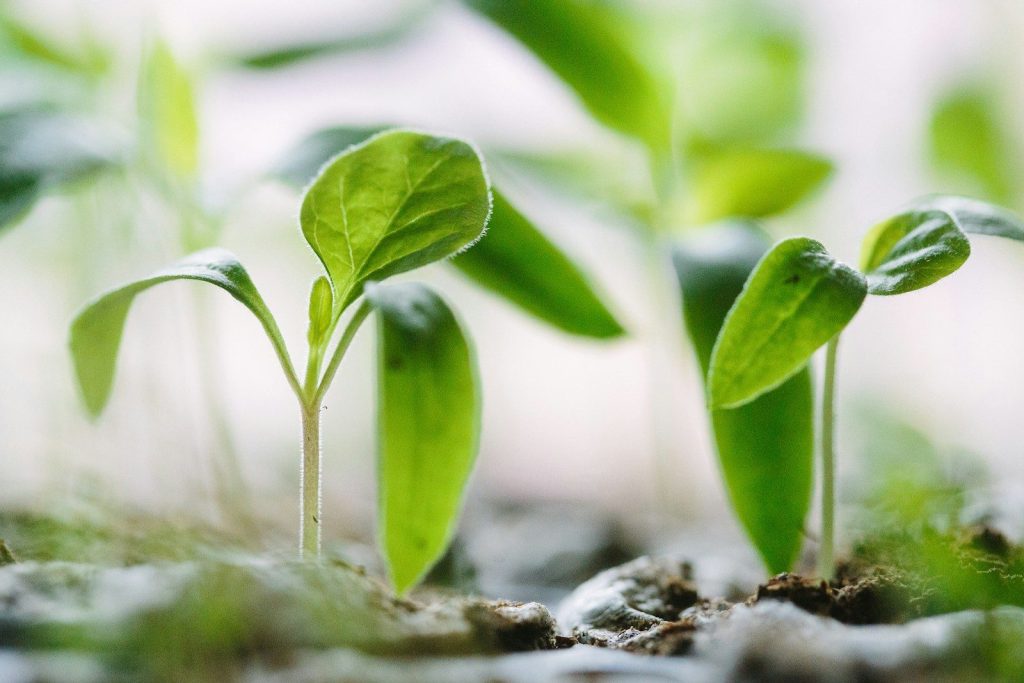
When certain flowers start stretching upward, many gardeners simply let them continue growing. A quick pinch or trim can encourage bushier growth and more flowering stems.
Plants such as zinnias, cosmos, and some salvias often reward this simple trick with a fuller appearance and a longer blooming season.
5. Use Shade Cloth During Extreme Heat
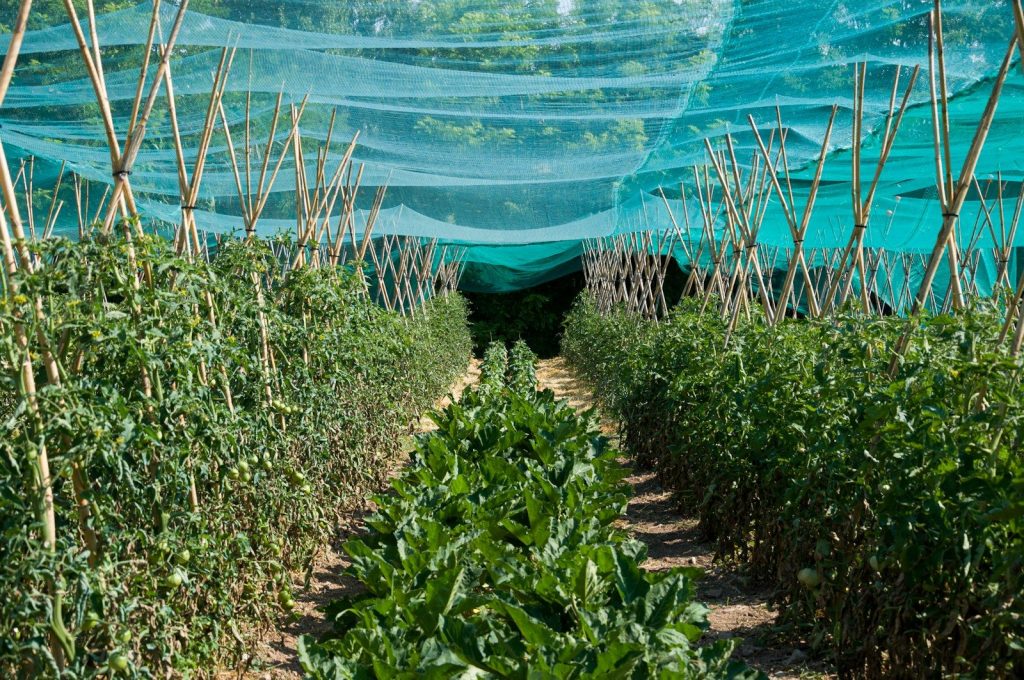
Temporary shade can make a surprising difference during the hottest weeks of summer. Lightweight shade cloth can be draped over hoops, stakes, or simple supports during heat waves.
This helps reduce stress on flowering plants without blocking all sunlight. Many gardeners use this trick to protect blooms that might otherwise fade quickly in intense afternoon sun.
6. Water Deeply Through A Bottomless Bucket
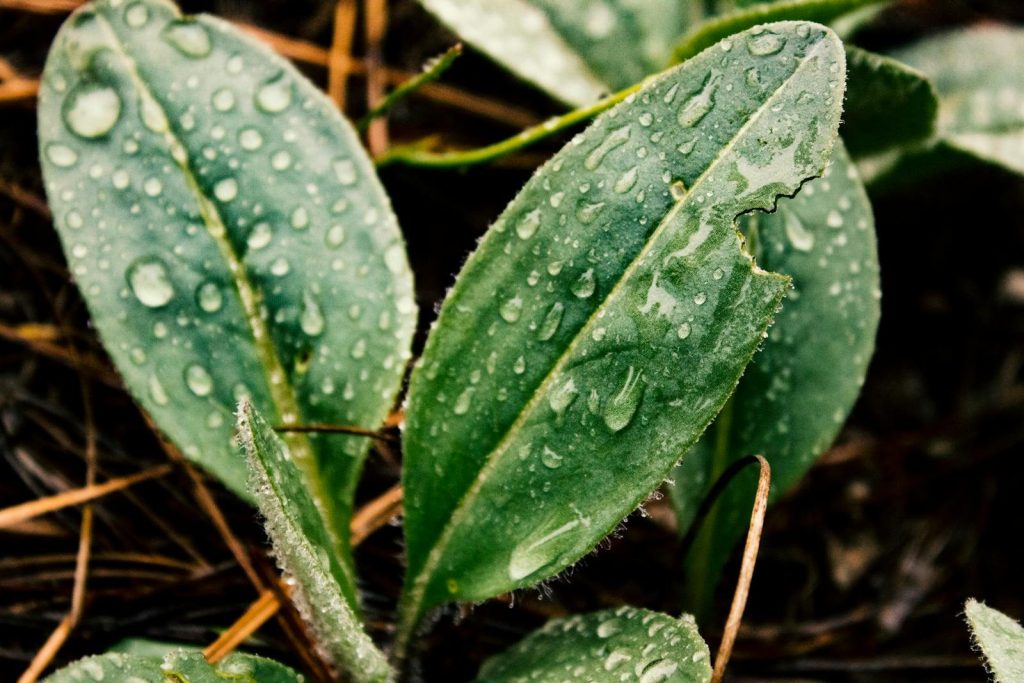
Cut the bottom out of a bucket and place it around the base of larger flowering plants. When you water, pour directly into the bucket instead of onto the surrounding soil.
The water reaches deeper into the root zone rather than spreading across the surface. This encourages stronger roots and helps plants cope better with dry spells.
7. Harvest Flowers More Often

It may seem counterintuitive, but cutting flowers can actually encourage many plants to produce more blooms. Flowers such as zinnias, cosmos, and snapdragons often respond well to regular harvesting.
The more frequently you cut, the more the plant focuses on creating new flowers. You get fresh bouquets while keeping the garden colorful at the same time.
8. Add A Light-Colored Mulch Around Heat-Sensitive Blooms
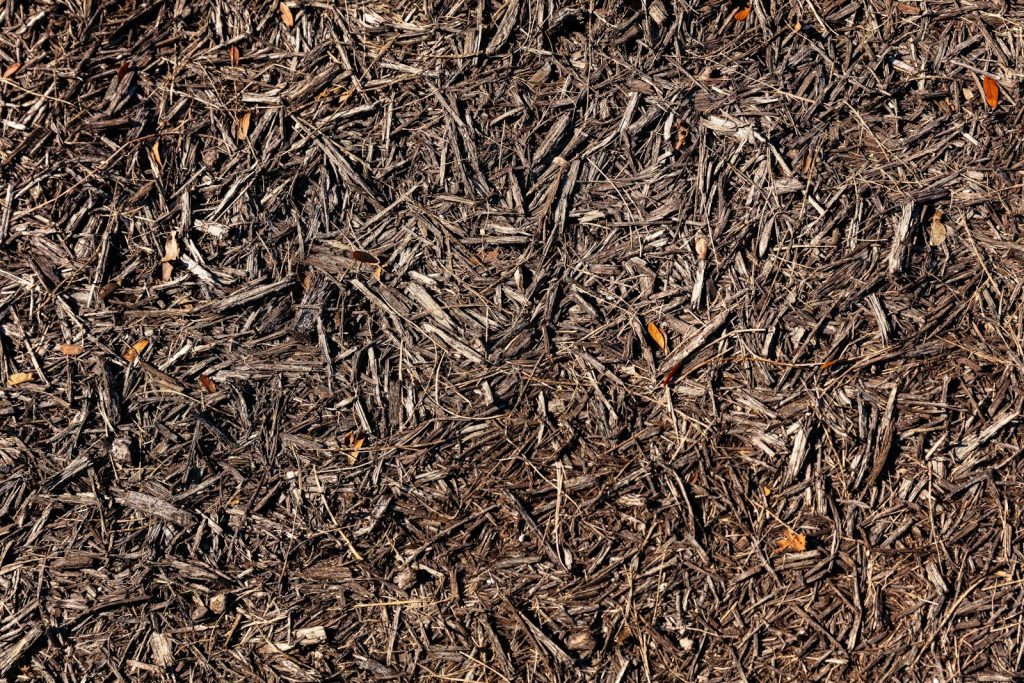
Dark soil absorbs and holds heat throughout the day. A layer of light-colored mulch, such as straw or pine shavings, can reflect some of that heat away from plant roots.
This helps moderate soil temperatures and may reduce stress on flowers during prolonged periods of hot, dry weather.
9. Plant Flowers In Clusters Instead Of Single Rows
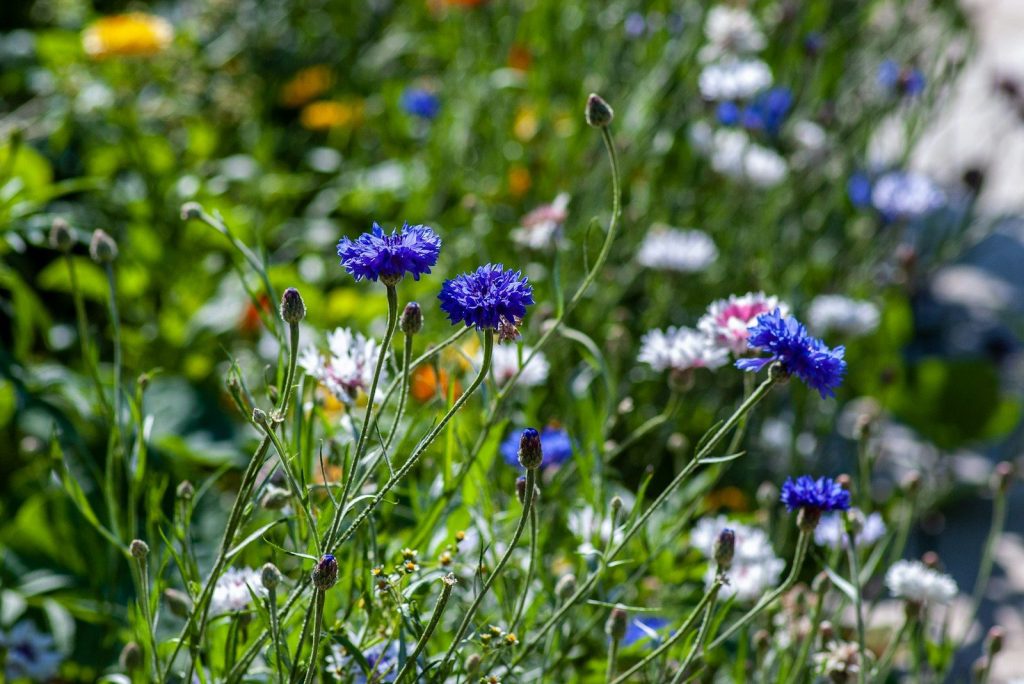
Scattered plants leave more soil exposed to sun and drying winds. Grouping flowers closer together allows foliage to shade the ground and reduce moisture loss.
The clusters also create a bigger visual impact in the garden. A concentrated burst of color often looks more dramatic than the same number of plants spread across a bed.
The Bottom Line

Keeping a garden colorful through summer is often less about watering more and more about watering smarter. Tricks such as clay pot irrigation, regular deadheading, deep watering methods, and strategic mulching can help flowers stay productive even when temperatures climb and rainfall becomes scarce.