

A well-designed room is not just about what you add. It is also about what you remove. Professional organizers and interior designers often agree that certain items create visual clutter, make spaces feel smaller, and distract from a home’s best features. If your rooms feel busy or unfinished, these are some of the first things experts would consider letting go.
1. Fake Plants That Have Seen Better Days
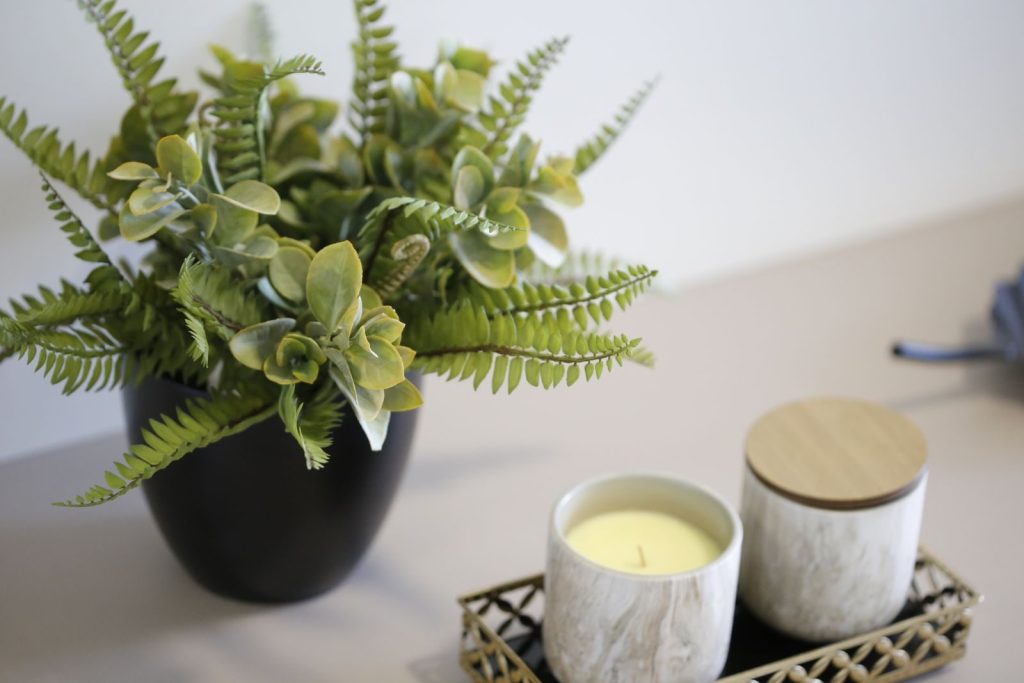
Artificial plants can add greenery to a space, but faded leaves, dusty stems, and obviously plastic foliage tend to have the opposite effect. Rather than making a room feel fresh, they can make it feel neglected.
Designers often recommend replacing worn faux plants with a few higher-quality stems or a low-maintenance real plant. One attractive arrangement usually has more impact than several tired-looking ones.
2. Tiny Décor Pieces Scattered Everywhere
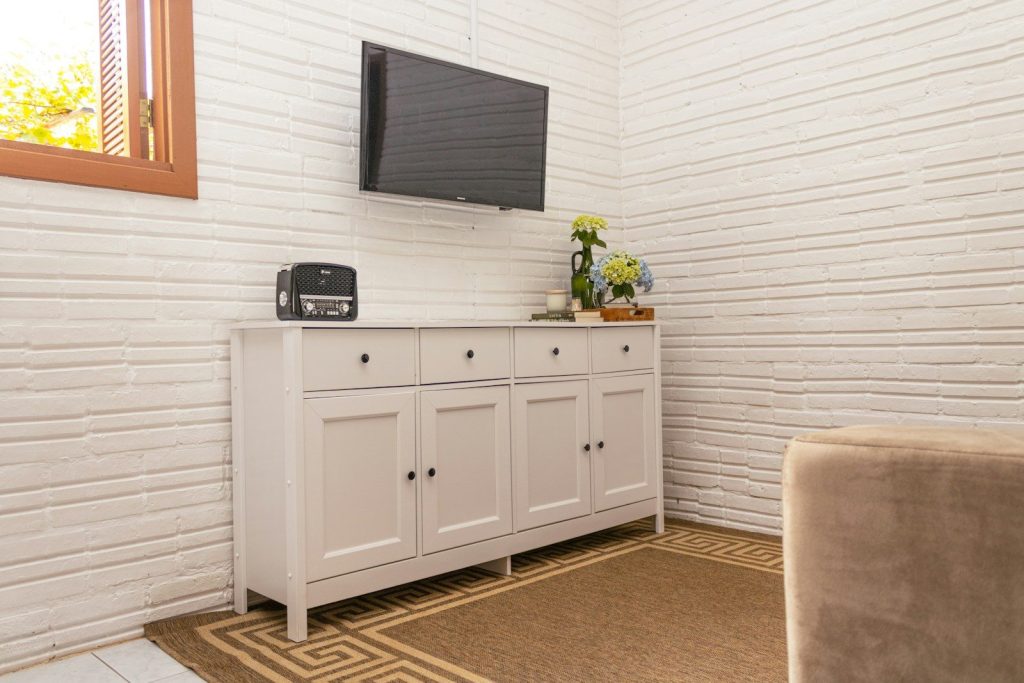
Small decorative objects spread across every shelf, table, and countertop can make a room feel cluttered even when it is technically clean. The eye struggles to find a focal point when too many items compete for attention.
Many designers suggest editing collections and displaying fewer pieces with more breathing room around them. This simple change can make a space feel calmer and more intentional.
3. Decorative Pillows Nobody Uses
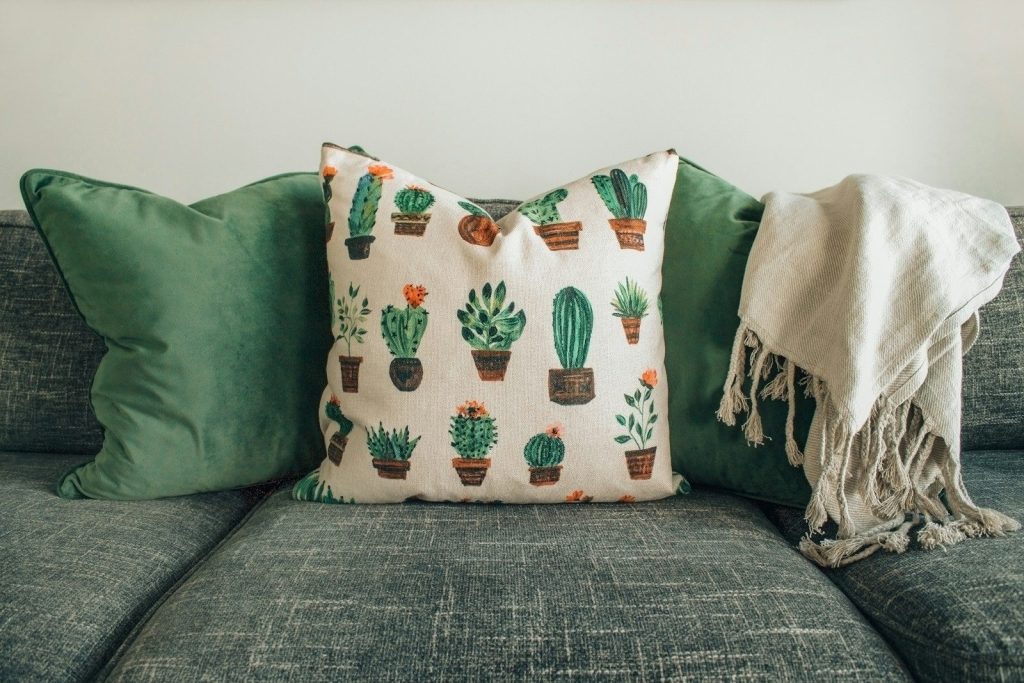
Throw pillows can add color and texture, but there is a point where they become more of a nuisance than an enhancement. If guests have to move a pile of pillows just to sit down, there may be too many.
Interior designers often recommend keeping only the pillows that genuinely contribute to the room’s design. A smaller, curated selection can create a more polished appearance.
4. Outdated Artificial Flowers
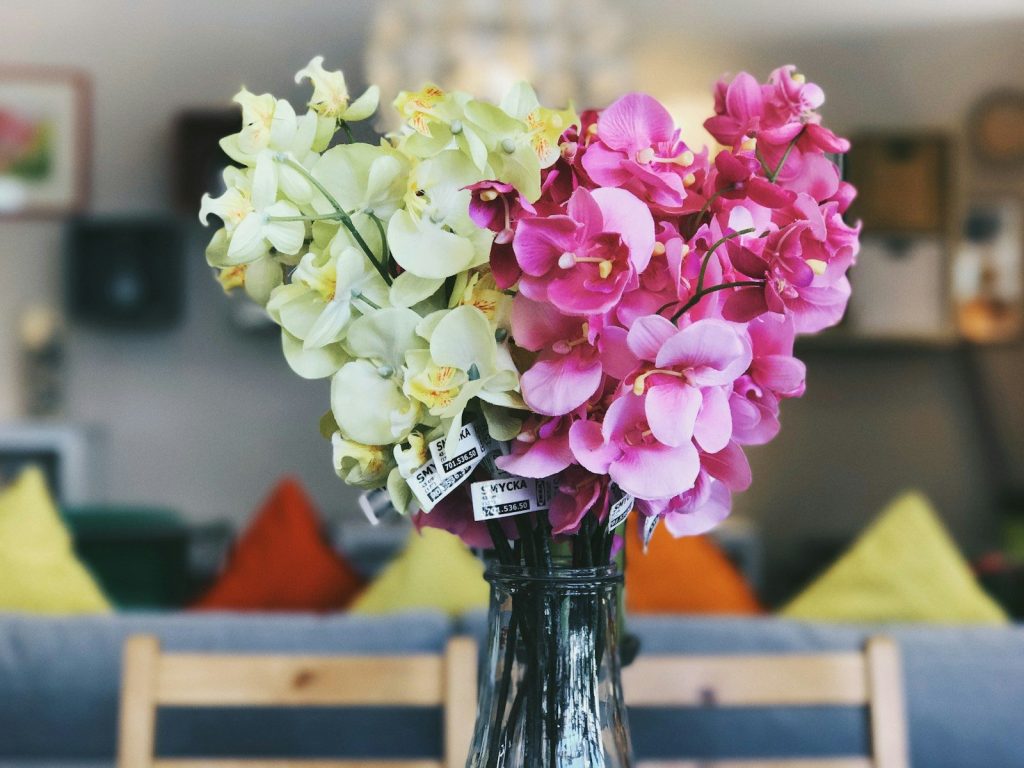
Artificial floral arrangements can quickly date a room when they become dusty, faded, or obviously artificial. Even beautiful arrangements lose their impact when they have been sitting in the same place for years.
Designers frequently swap them out seasonally or replace them with fresh greenery. The goal is to keep arrangements looking intentional rather than forgotten.
5. Furniture That No Longer Fits The Room
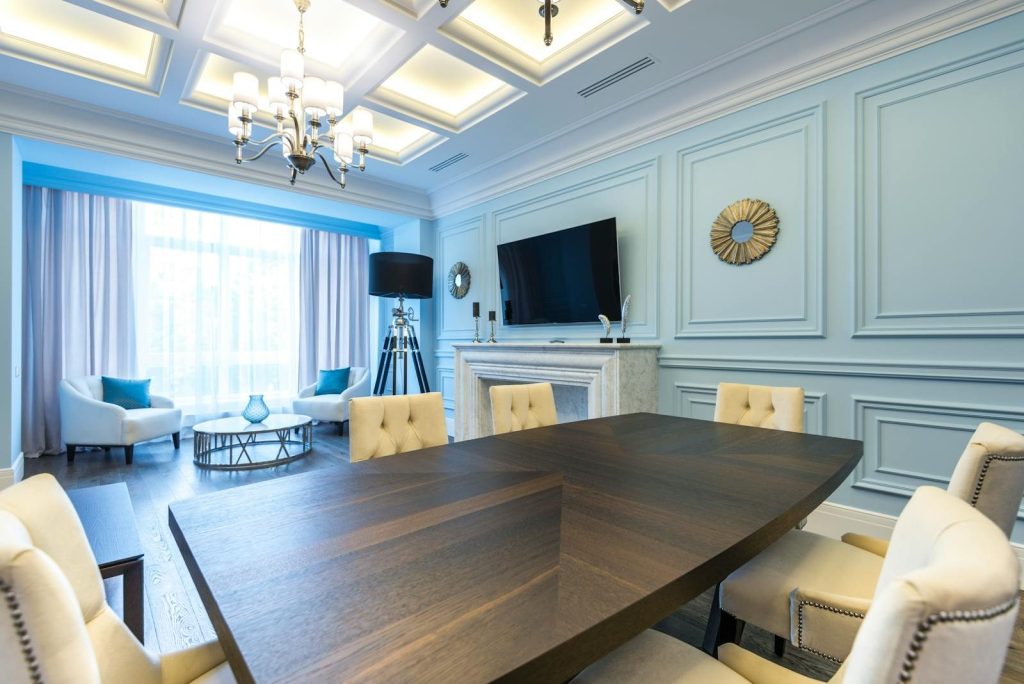
A room’s layout can change over time, but furniture often stays long after it stops working well in the space. Pieces that block walkways or make rooms feel cramped can affect both function and appearance.
Designers regularly reassess whether a piece still earns its place. Sometimes removing one oversized item can completely transform how a room feels.
6. Excessive Family Photos On Every Surface
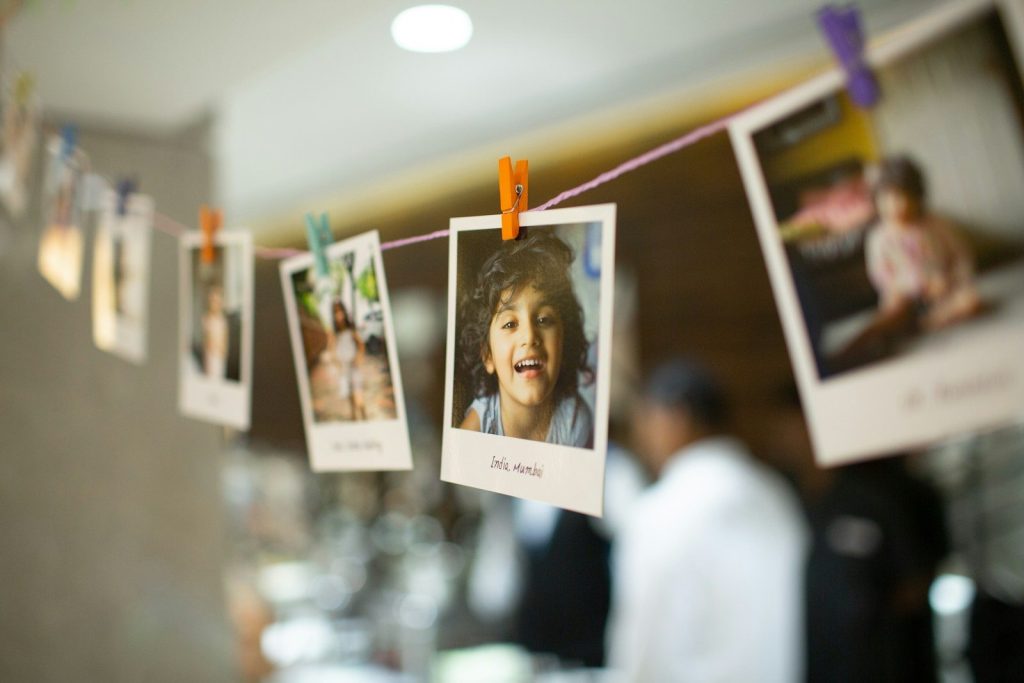
Personal photos make a home feel welcoming, but dozens of frames spread across every table and shelf can create visual noise. Too many competing focal points can make décor feel scattered.
Many designers prefer grouping photos in one gallery wall or dedicated display area. This approach still showcases memories while allowing the rest of the room to breathe.
7. Decorative Signs With Generic Phrases
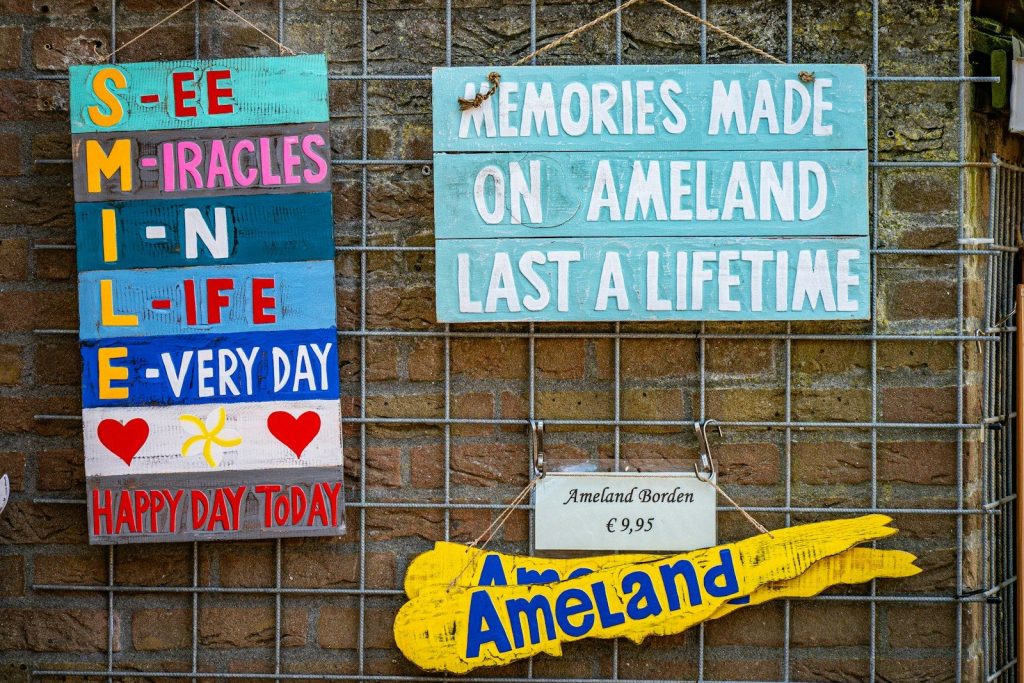
Word art and mass-produced signs can quickly overwhelm a space when used in large numbers. What may have felt trendy years ago can sometimes make a room feel dated today.
Designers often recommend replacing them with artwork, photography, or objects that reflect personal style. These pieces tend to add more character and visual interest.
8. Mismatched Storage Bins Left In Plain Sight
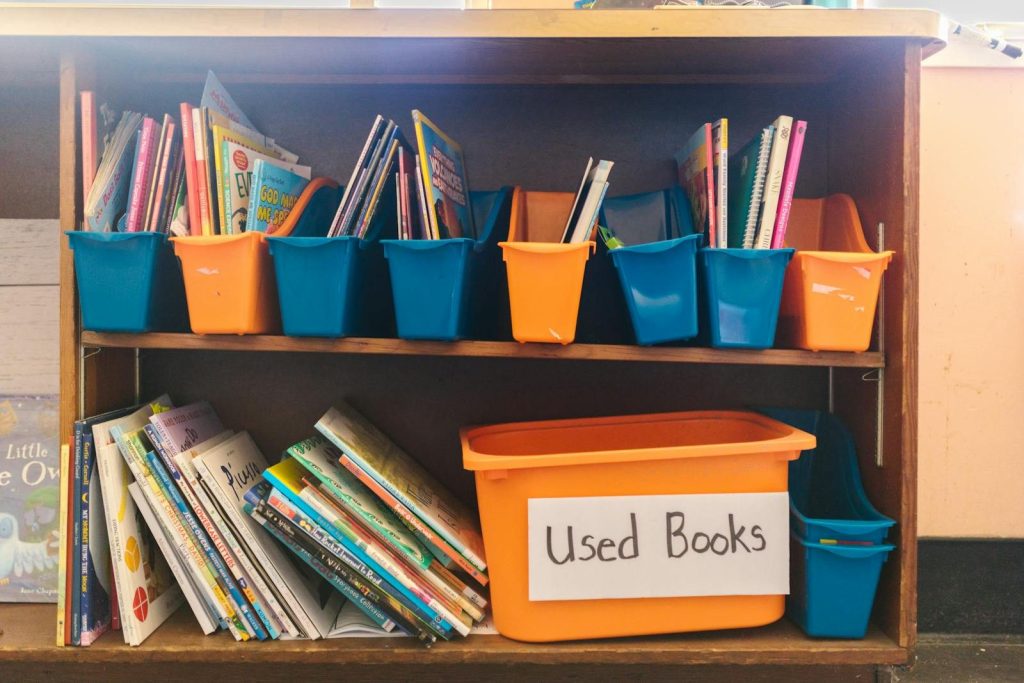
Visible storage can help with organization, but random bins in different colors, materials, and sizes often make rooms feel chaotic. Even organized items can appear cluttered when the containers do not work together visually.
Many designers use matching baskets, boxes, or bins to create a more cohesive look. Consistency helps storage blend into the room rather than stand out.
9. Anything You Keep Only Because It Was Expensive
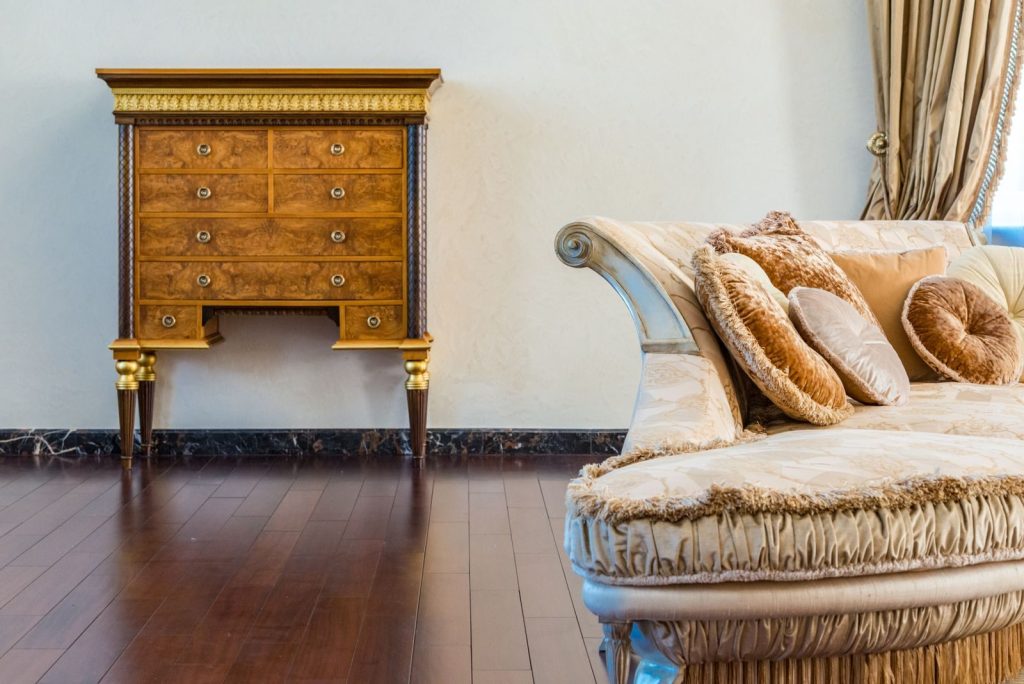
One of the biggest design mistakes is holding onto items that no longer suit your home simply because they cost a lot of money. A piece that does not fit your style can continue to affect the room for years.
Professional organizers and designers often encourage homeowners to focus on how a space functions and feels today. Letting go of the wrong piece can create room for something that works much better.
The Bottom Line
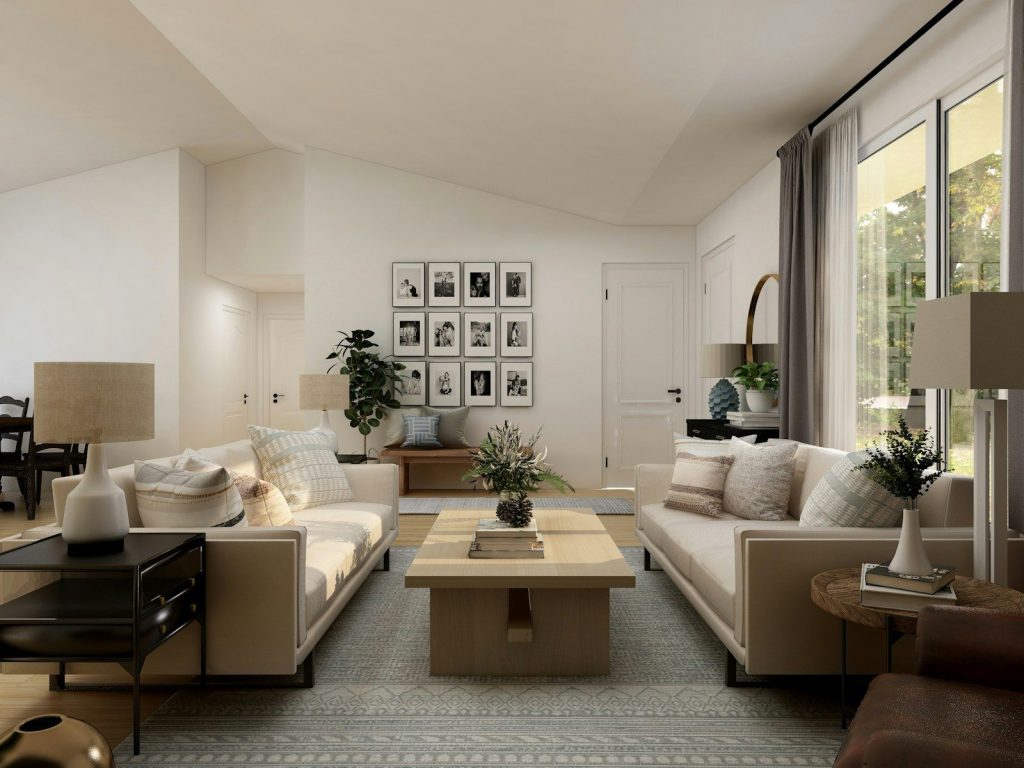
Interior designers know that great spaces are often the result of thoughtful editing. By removing tired décor, oversized furniture, visual clutter, and items that no longer serve a purpose, you can create a home that feels more spacious, balanced, and inviting without buying anything new.