

June is one of the busiest months in the garden. Many popular flowering plants are producing blooms at full speed, but without a little maintenance, they can begin directing energy toward seed production rather than creating new flowers. Deadheading, the simple act of removing spent blooms, is one of the easiest ways to keep certain plants looking their best throughout the season. These flowers are among the top candidates for deadheading in June and are easy to identify in photos and garden centres alike.
Petunias
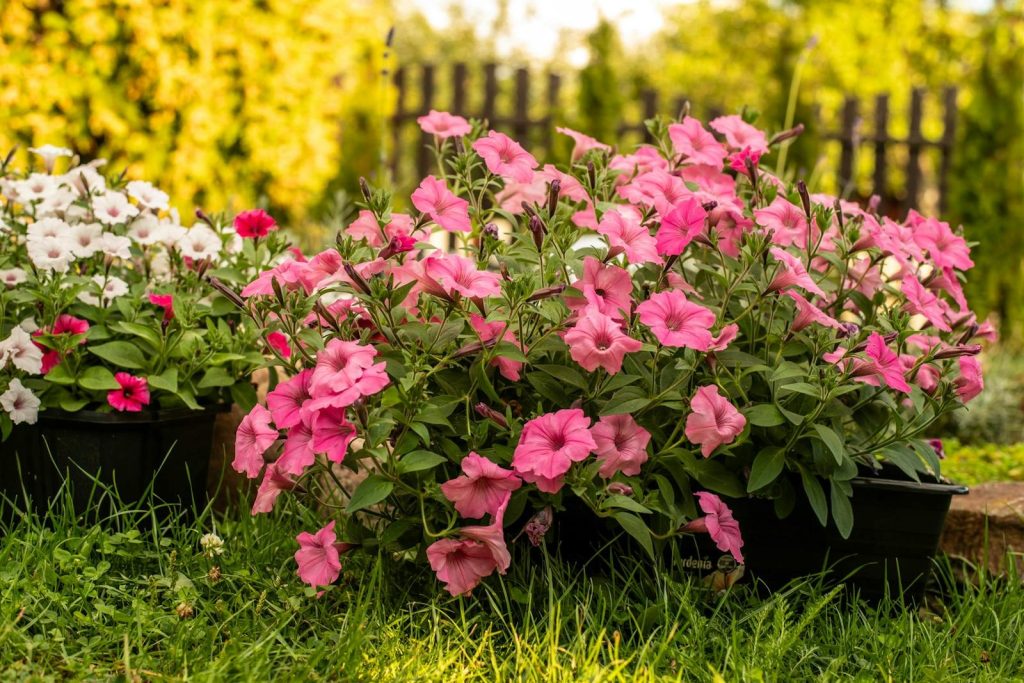
Petunias are famous for their long flowering season, but faded blooms can quickly make containers and garden beds look tired.
Removing wilted flowers helps keep plants tidy and encourages continued blooming throughout the summer.
Roses

Many repeat-blooming roses benefit from regular deadheading once flowers begin to fade.
Snipping spent blooms above a healthy leaf set can help encourage another round of flowers later in the season.
Geraniums
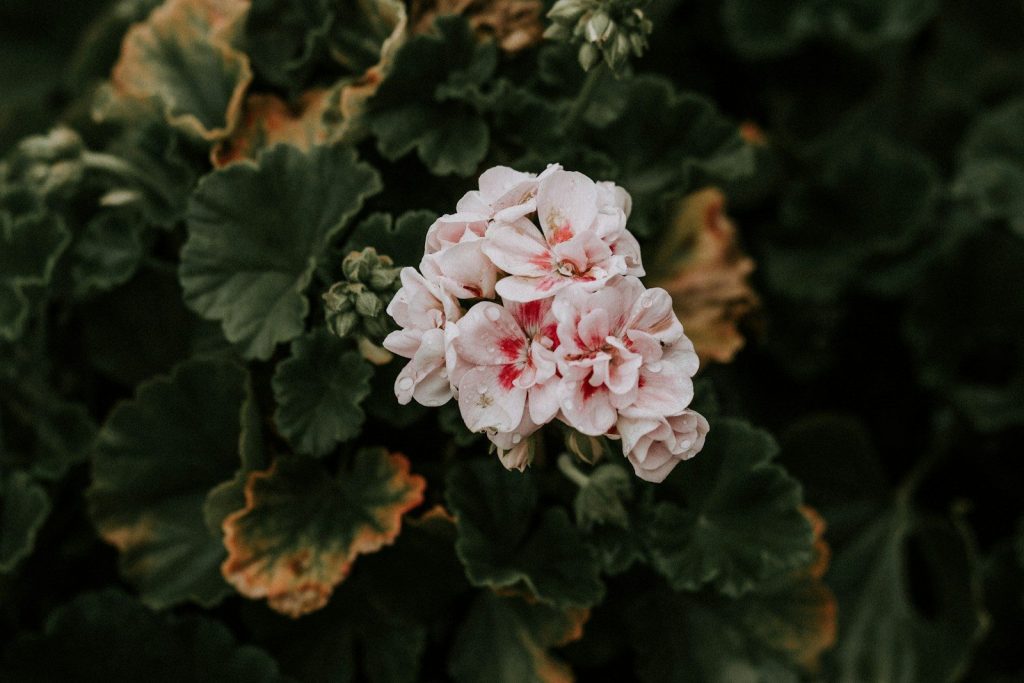
Geranium flower clusters often remain attached long after their best days.
Removing faded flower heads can help the plant redirect energy toward producing fresh blooms.
Coreopsis
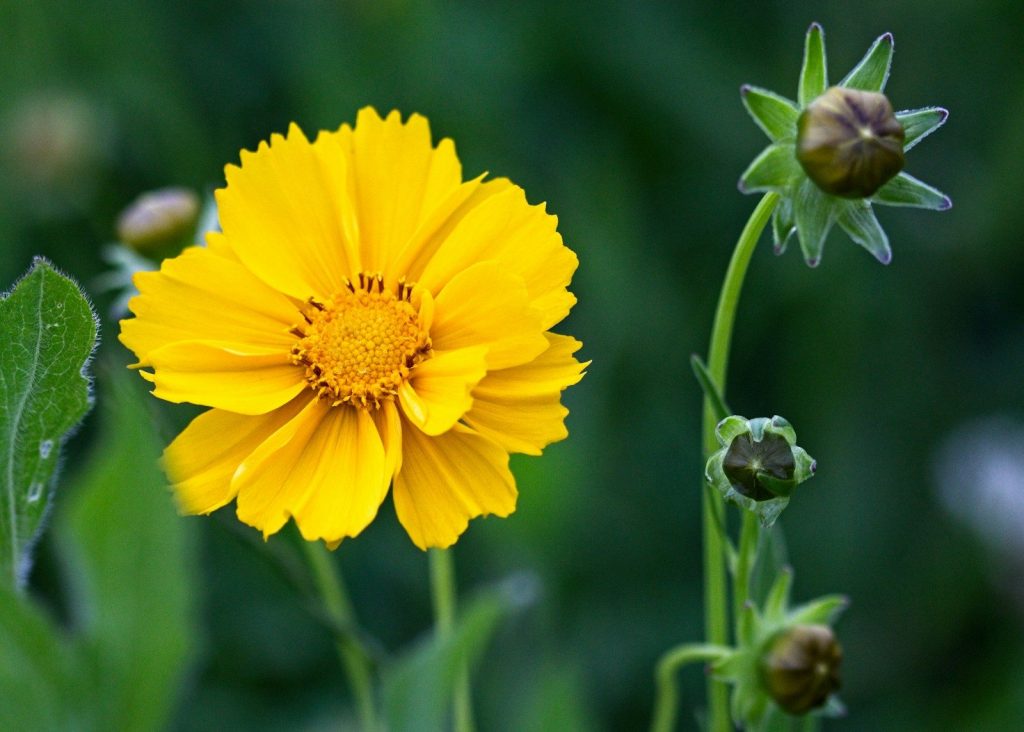
Coreopsis produces cheerful daisy-like flowers that can bloom for months.
Deadheading regularly in June can help maintain a colourful display and reduce the number of spent flowers cluttering the plant.
Shasta Daisies
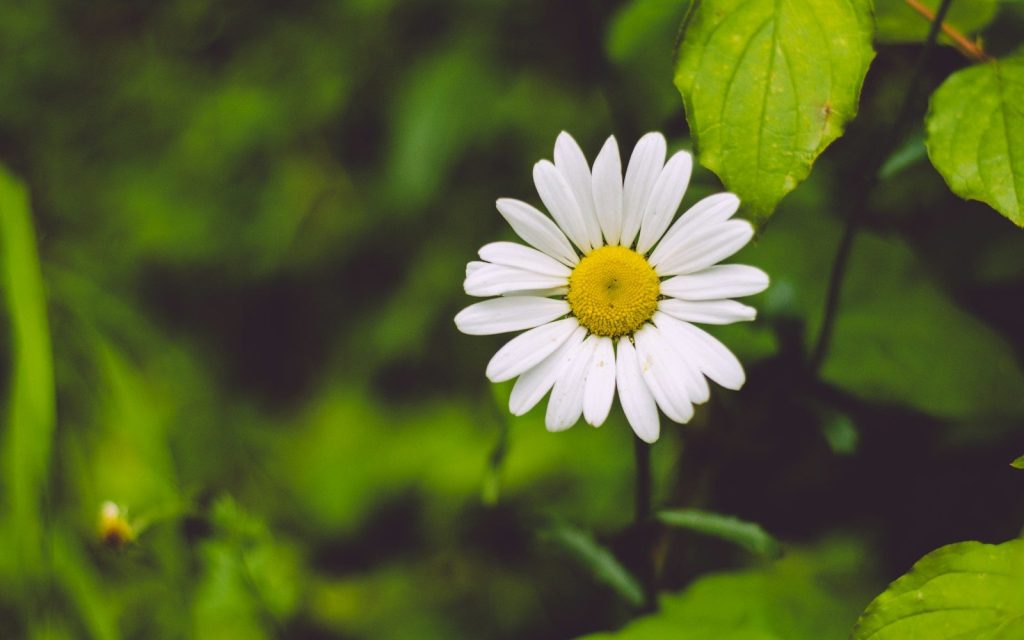
Shasta daisies are a classic summer garden favorite.
Removing old flowers before they begin forming seeds can help keep plants blooming and looking fresh.
Salvia
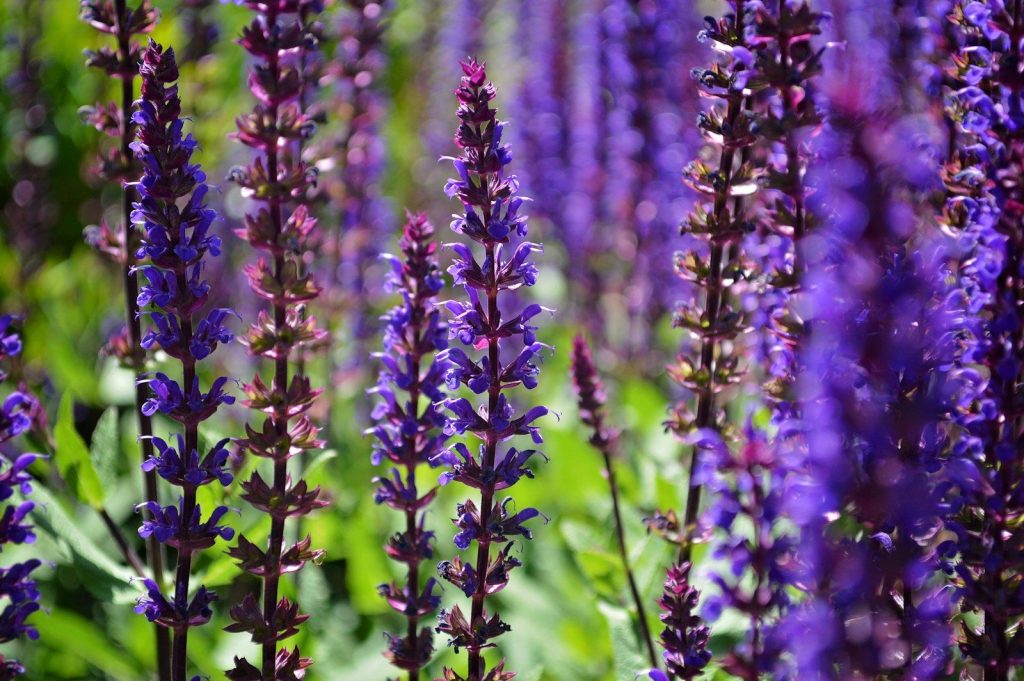
Many varieties of salvia respond well to deadheading after their first flush of blooms.
Cutting back faded flower spikes often encourages additional flowering later in the season.
Cosmos
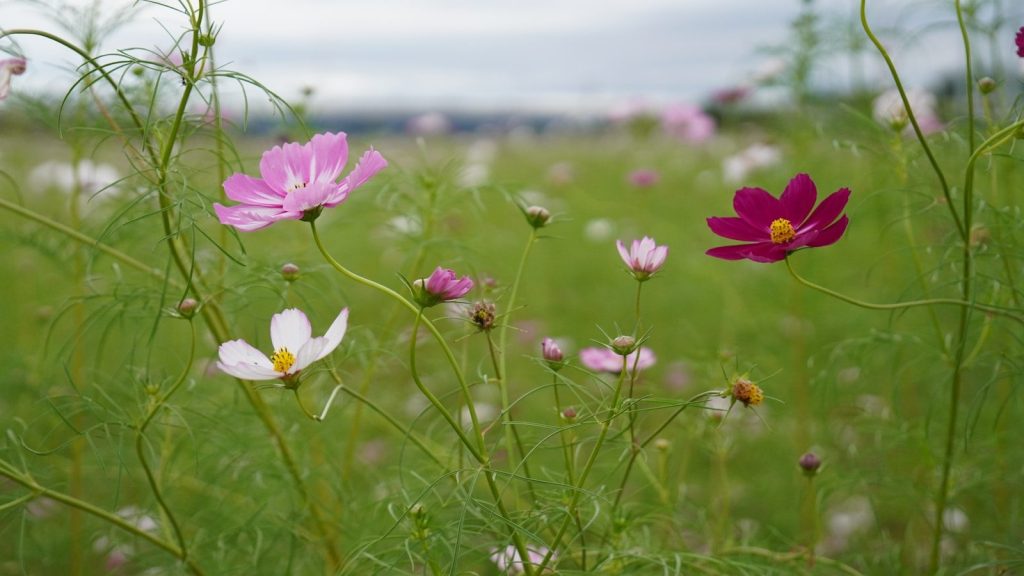
Cosmos are enthusiastic bloomers, especially during warm weather.
Frequent deadheading can help keep the plants producing flowers rather than focusing on seed development.
A Few Minutes Can Lead To More Flowers
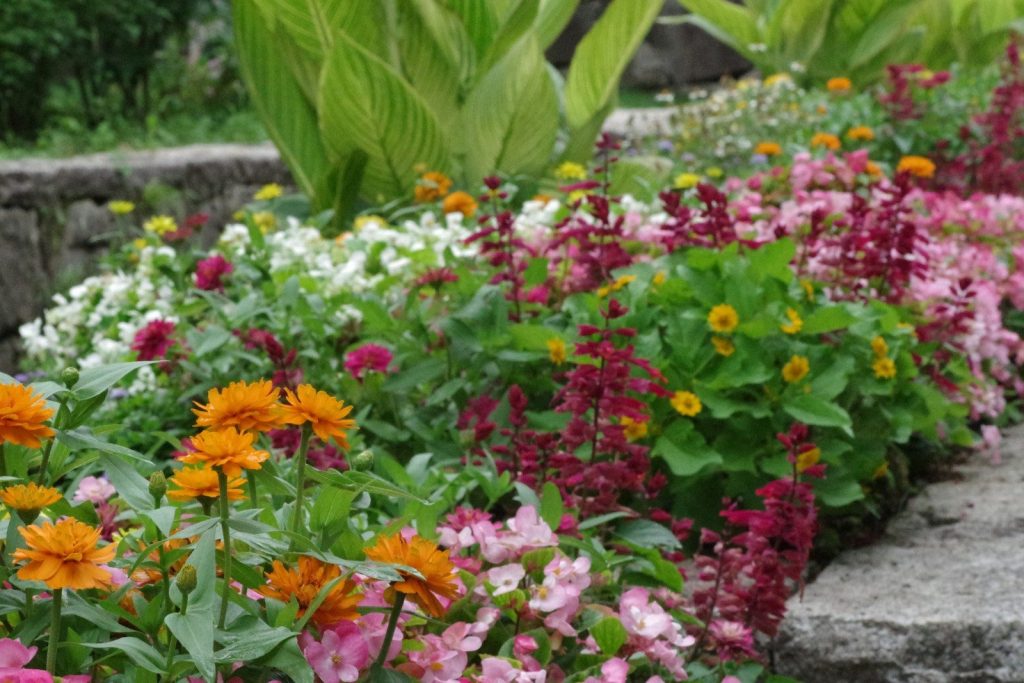
Deadheading is one of the simplest gardening tasks, yet it can have a noticeable impact on the appearance of many flowering plants. Spending a few minutes each week removing spent blooms may help extend flowering, improve plant appearance, and keep your garden looking colourful well into summer.