

Many drivers hear the same suggestion during routine maintenance visits. Replace the cabin air filter. The recommendation is so common that many people wonder whether it is truly necessary or just another add-on service.
The answer is more interesting than most expect. Knowing how cabin air filters work and when they actually need attention can help you save money, improve air quality, and avoid paying for replacements before they are needed.
Know What Your Cabin Air Filter Really Does
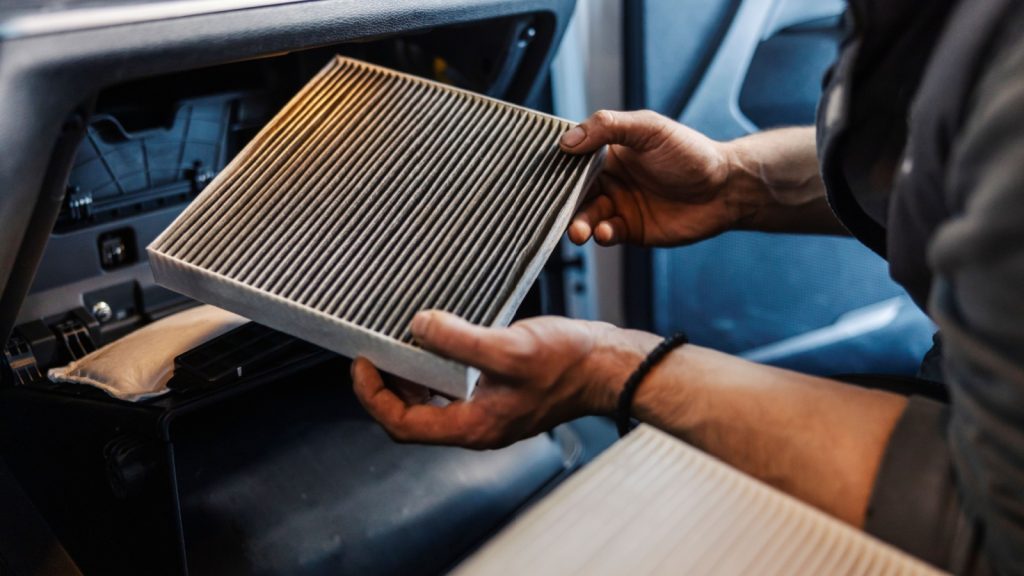
Many drivers confuse the cabin air filter with the engine air filter. They serve different purposes and affect different parts of the vehicle.
Your cabin air filter cleans the air entering the passenger compartment. It helps trap dust, pollen, debris, and other particles before they reach you through the heating and cooling system.
Use Airflow As Your First Warning Sign
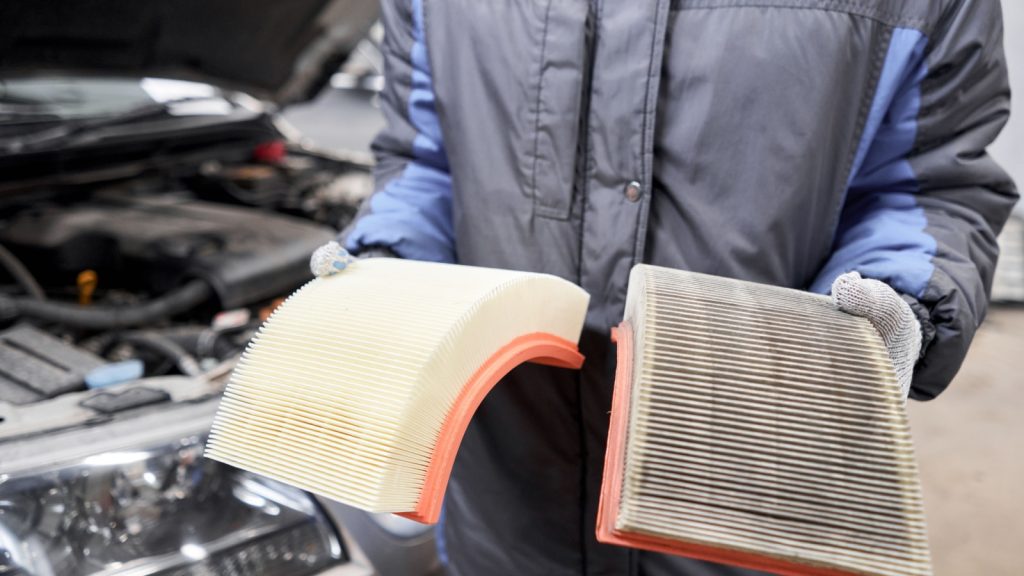
One of the easiest ways to assess filter health is to pay attention to airflow. Weak air from vents often signals a restriction somewhere in the system.
Before agreeing to an immediate replacement, turn the fan to different settings. If airflow feels noticeably weaker than usual, a dirty filter could be the reason.
Check the Filter Yourself Before Paying

Many cabin air filters are surprisingly easy to access. In numerous vehicles, the filter sits behind the glove compartment and can be inspected in minutes.
A quick visual check can reveal whether the filter is lightly dusty or heavily clogged. This simple habit helps drivers make informed decisions instead of relying solely on recommendations.
Match Replacements to Your Driving Conditions
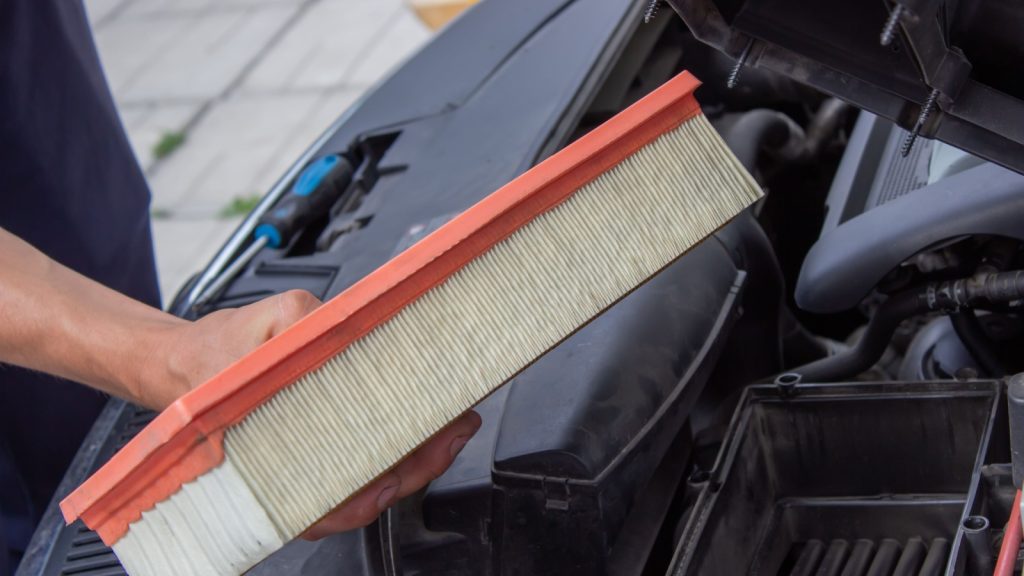
Replacement schedules are not the same for everyone. Driving habits and local conditions play a major role in how quickly filters collect debris.
Drivers who spend time on dusty roads, in heavy traffic, or in areas with high pollen levels may need more frequent changes than those driving in cleaner environments.
Stop Paying for Replacements Too Early
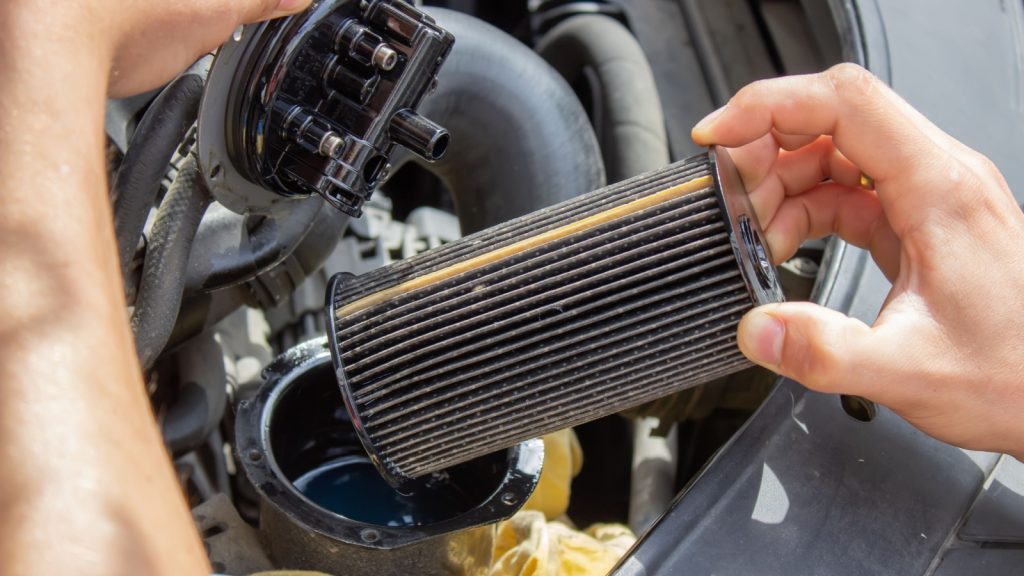
Some drivers replace filters every time they receive a recommendation. While regular maintenance matters, replacing a filter too early can add unnecessary costs.
Review your owner’s manual and compare the suggested interval with the filter’s actual condition. This simple step can prevent spending money before it is truly needed.
Pay Attention to Strange Interior Odors
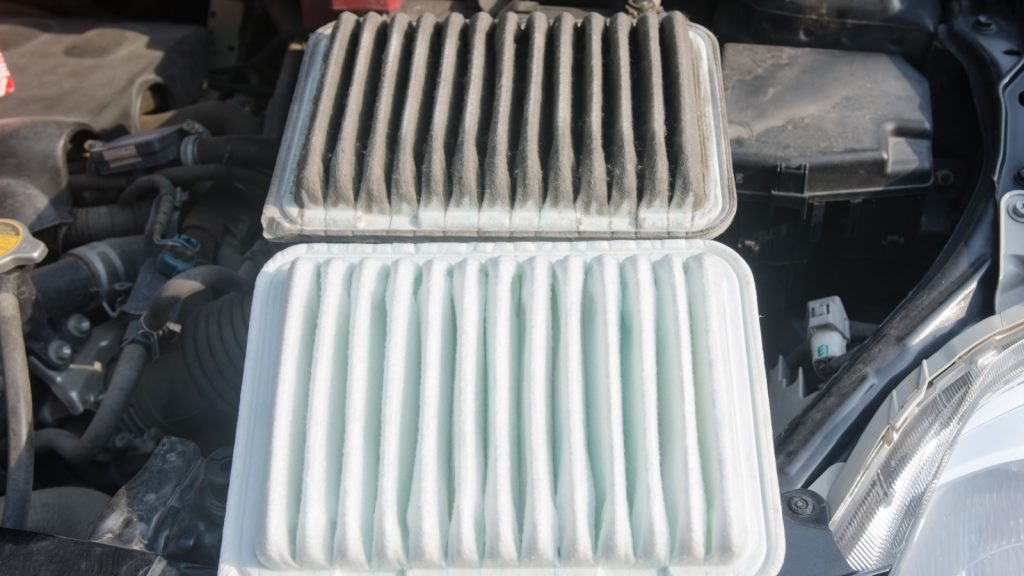
A musty smell inside the vehicle is often overlooked. Many people assume the odor comes from outside when the source may be inside the ventilation system.
When a filter becomes overloaded with trapped particles and moisture, unpleasant smells can develop. Replacing the filter may help restore fresher cabin air.
Improve HVAC Performance With One Simple Fix
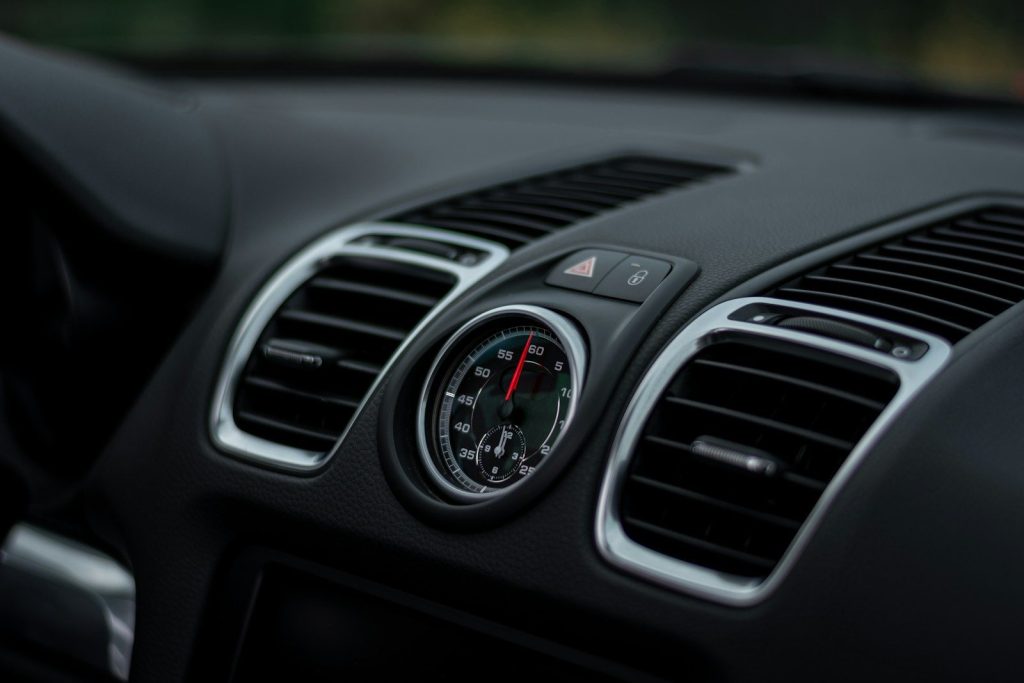
Drivers sometimes blame heating and cooling problems on larger mechanical issues. In reality, a neglected filter can reduce overall system efficiency.
Keeping the filter clean allows air to move more freely through the vents. That can help your climate control system perform closer to its intended level.
Turn Maintenance Visits Into Money-Saving Opportunities
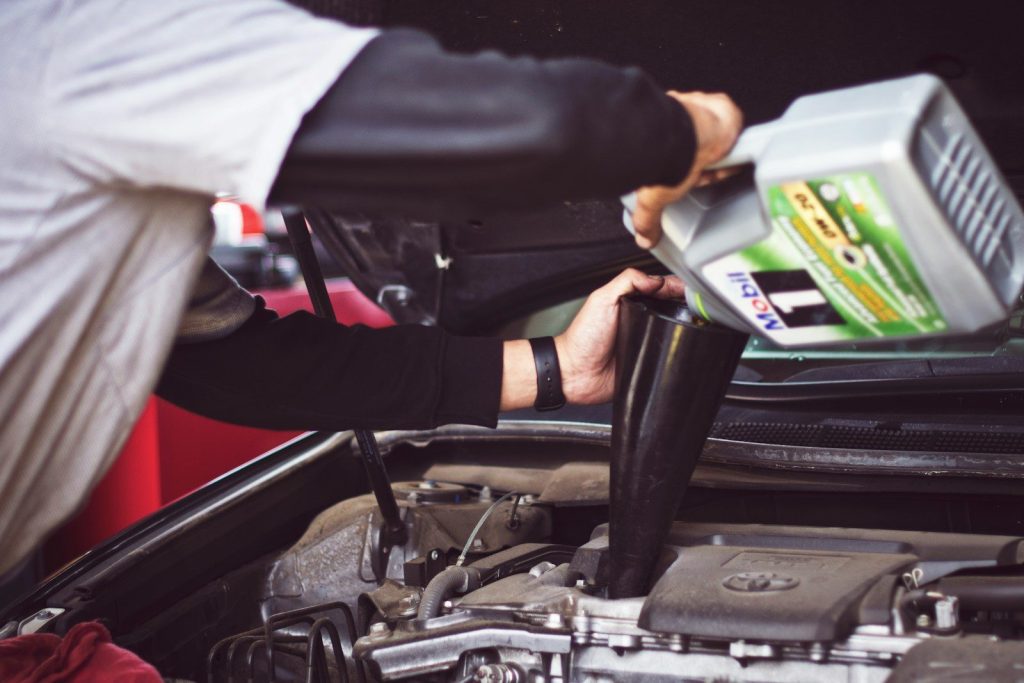
The smartest maintenance habit is asking questions before approving extra services. Understanding what is being recommended gives you more control over vehicle expenses.
When cabin filter replacements are suggested, request to see the old filter or inspect it yourself. A quick look can often tell you whether the service is overdue or can safely wait a little longer.