

Paint is one of the easiest ways to change the look and feel of a room, but choosing the right color can be surprisingly tricky. While trends come and go, many designers rely on a handful of tried-and-true color tricks that continue to work year after year. These timeless paint hacks can help create spaces that feel balanced, inviting, and effortlessly stylish.
1. Test Paint On Multiple Walls, Not Just One

A color can look completely different depending on the direction of natural light.
Instead of painting a single sample square, test the color on several walls and check it throughout the day. Morning, afternoon, and evening light can all reveal different undertones.
2. Use Soft White On Trim Instead Of Bright White
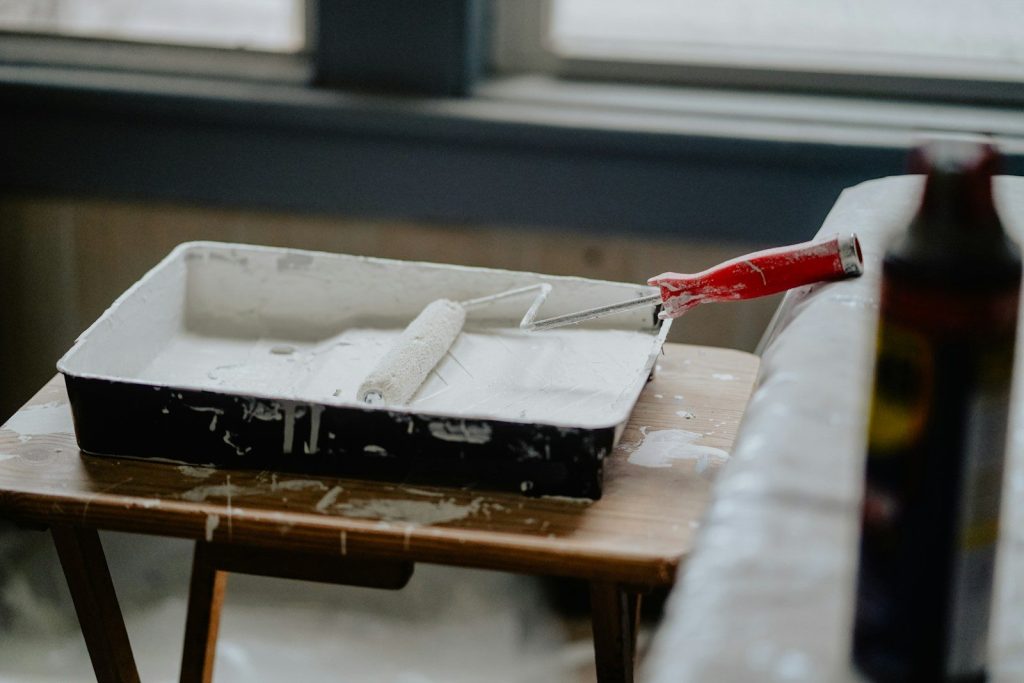
Many people automatically reach for the brightest white available.
Designers often prefer softer whites because they create a more relaxed look and blend more naturally with wall colors, making rooms feel cohesive rather than stark.
3. Paint Small Rooms A Richer Color
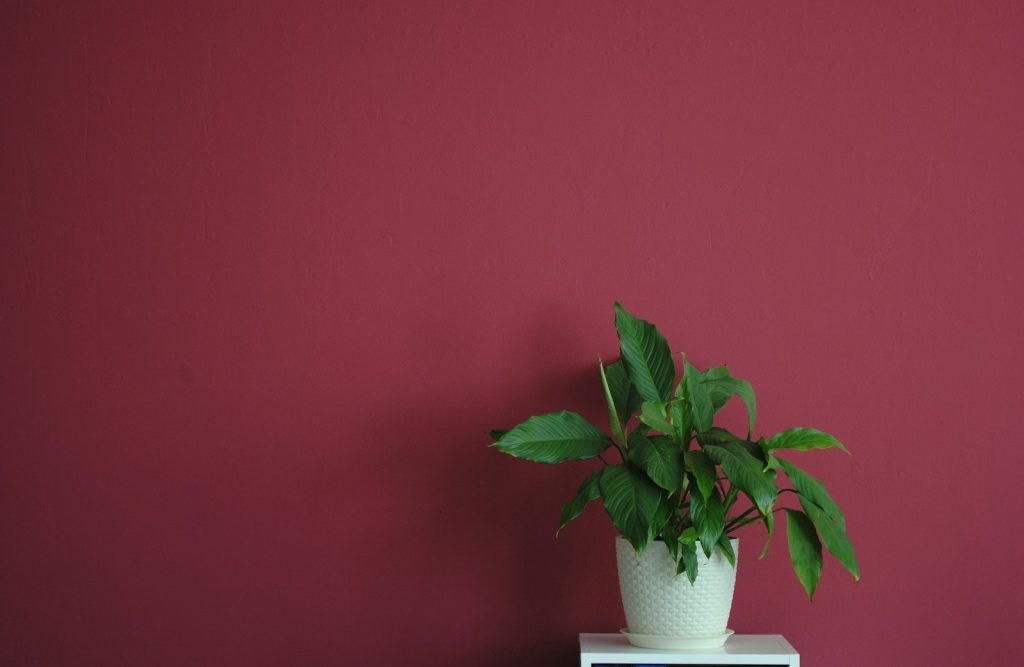
A common mistake is assuming every small room needs a pale shade.
Deeper colors can add character and make a powder room, office, or reading nook feel intentional and inviting rather than cramped.
4. Match Paint To The Room’s Fixed Features
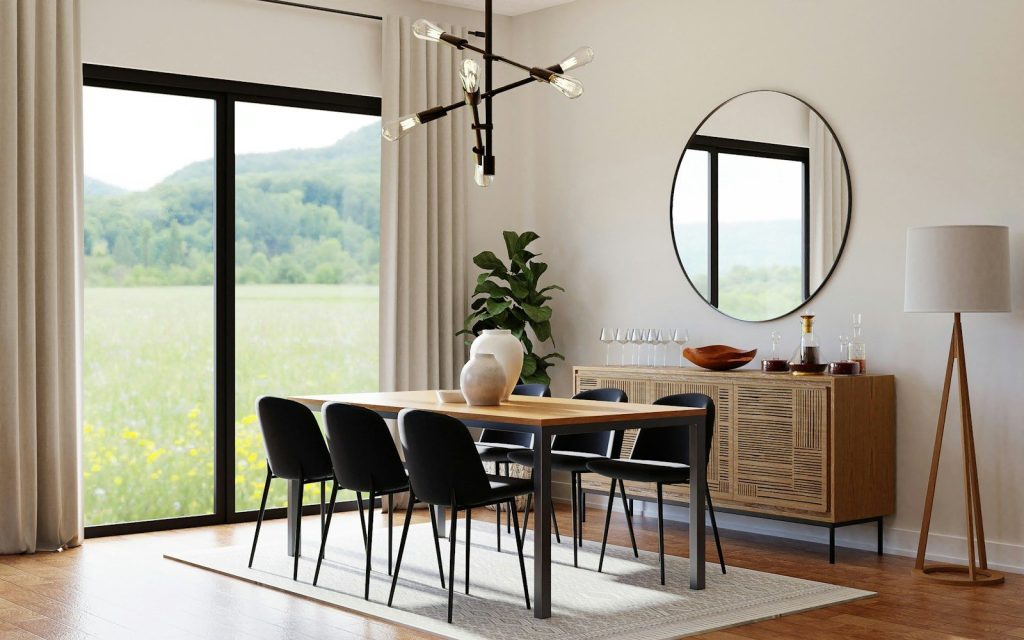
Furniture can be moved, but flooring, countertops, tile, and stone often stay put for years.
Many designers select paint colors after considering these permanent features to ensure everything works together naturally.
5. Try The Same Color In Different Finishes

Using one color throughout a space does not have to feel flat.
Applying the same shade in different finishes on walls, trim, or built-ins can create subtle contrast while maintaining a polished look.
6. Paint The Ceiling A Related Shade
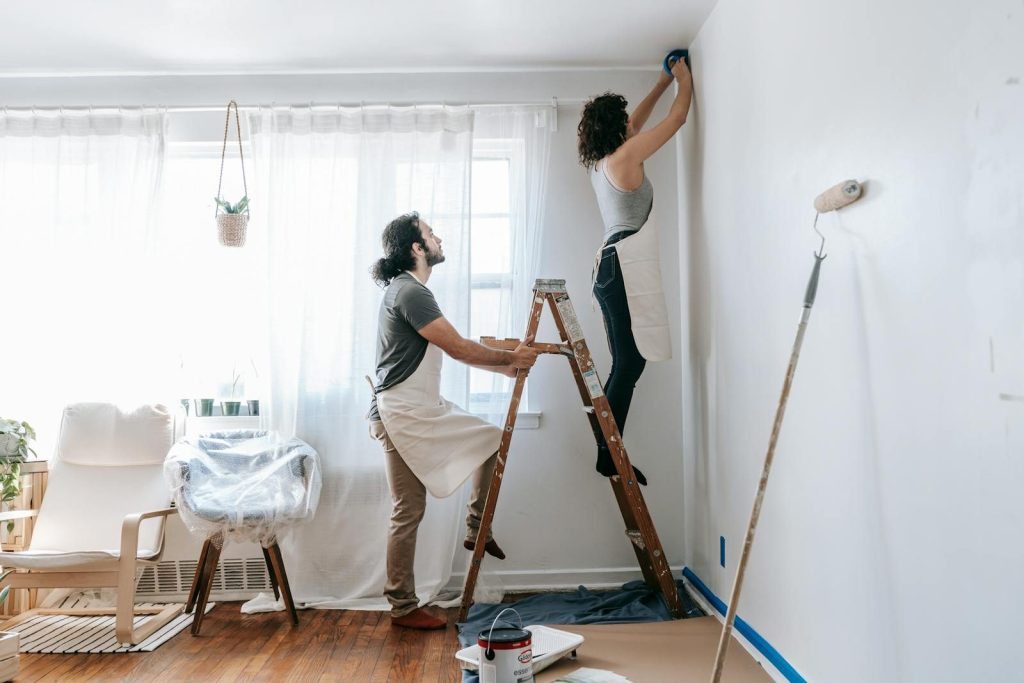
White ceilings are classic, but they are not the only option.
A ceiling painted a lighter version of the wall color can create a softer transition and make the room feel more thoughtfully designed.
7. Use Warm Neutrals For Better Flexibility
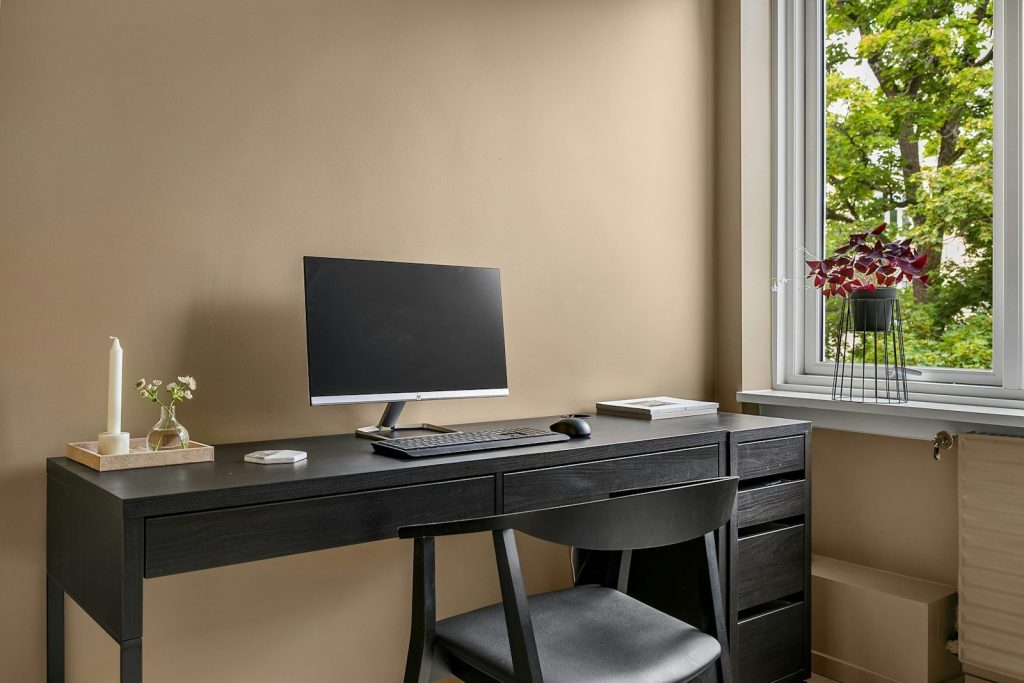
Warm beige, greige, taupe, and soft cream tones tend to work well with a wide range of furniture styles and décor changes.
This flexibility is one reason designers often return to them when creating spaces intended to stand the test of time.
8. View Samples Next To Your Furniture Before Deciding
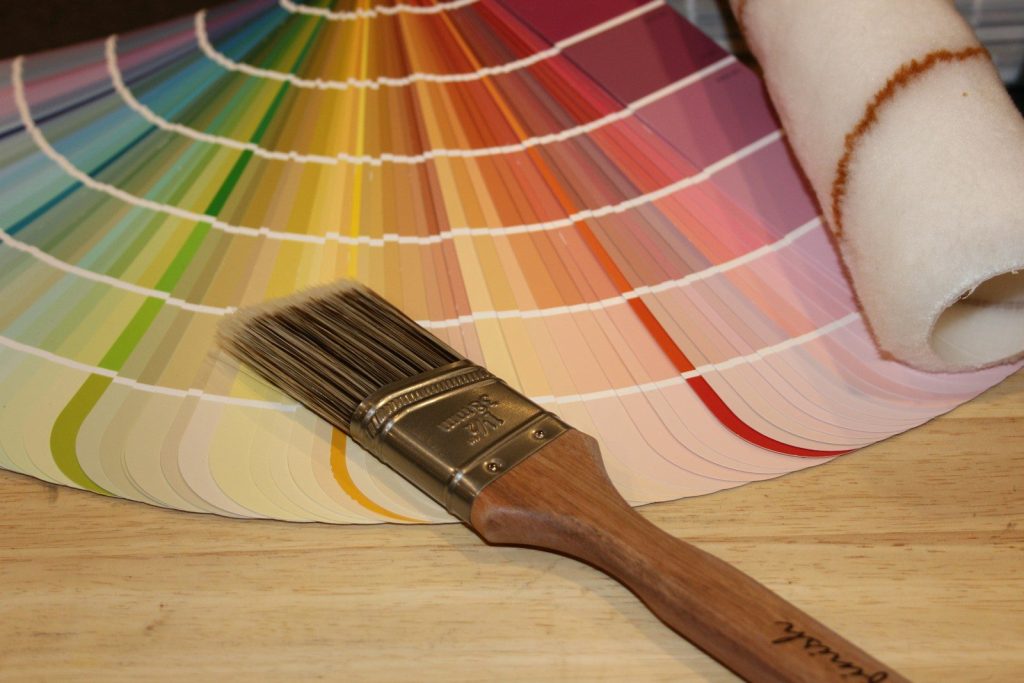
Paint chips can look perfect on their own and completely different once surrounded by your furnishings.
Place samples near sofas, rugs, curtains, and wood finishes before making a final choice. This simple step can help avoid expensive repainting later.
The Bottom Line
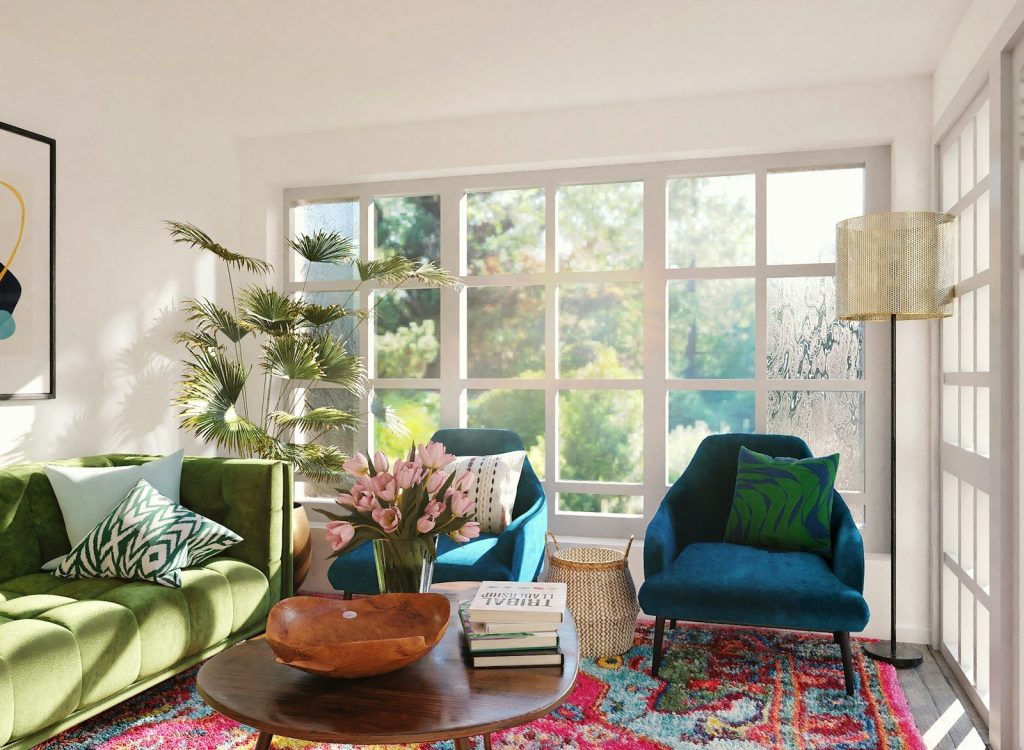
The best paint decisions are often less about following trends and more about understanding how color interacts with light, furnishings, and architecture. These designer-approved paint hacks have remained popular for years because they help create rooms that feel comfortable, balanced, and timeless long after the paint dries.