

Nutritional needs don’t stay the same throughout life. The foods that support growth in your teens may not be the ones your body benefits from most in your 50s or beyond. While no food can guarantee perfect health, making a few age-specific choices can help support energy, muscle strength, bone health, and overall well-being. Here are 10 smart food tips worth considering as the years go by.
1. In Your Teens, Prioritize Iron-Rich Foods
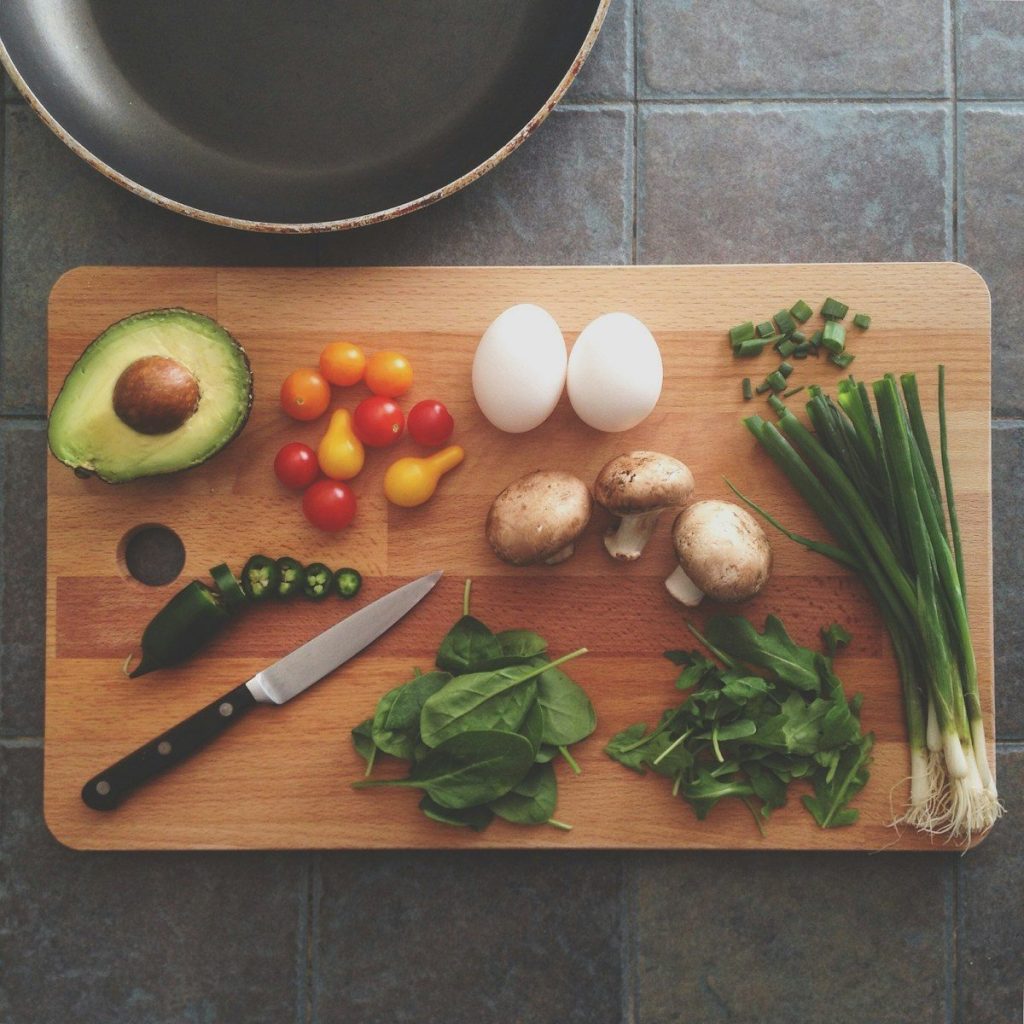
Teenagers often experience rapid growth, which increases the need for key nutrients. Iron helps transport oxygen throughout the body and supports energy levels.
Foods like lean beef, lentils, beans, pumpkin seeds, and fortified cereals can help meet growing demands. Pairing plant-based iron sources with vitamin C-rich foods may also help improve absorption.
2. In Your 20s, Build A Habit Around Fatty Fish
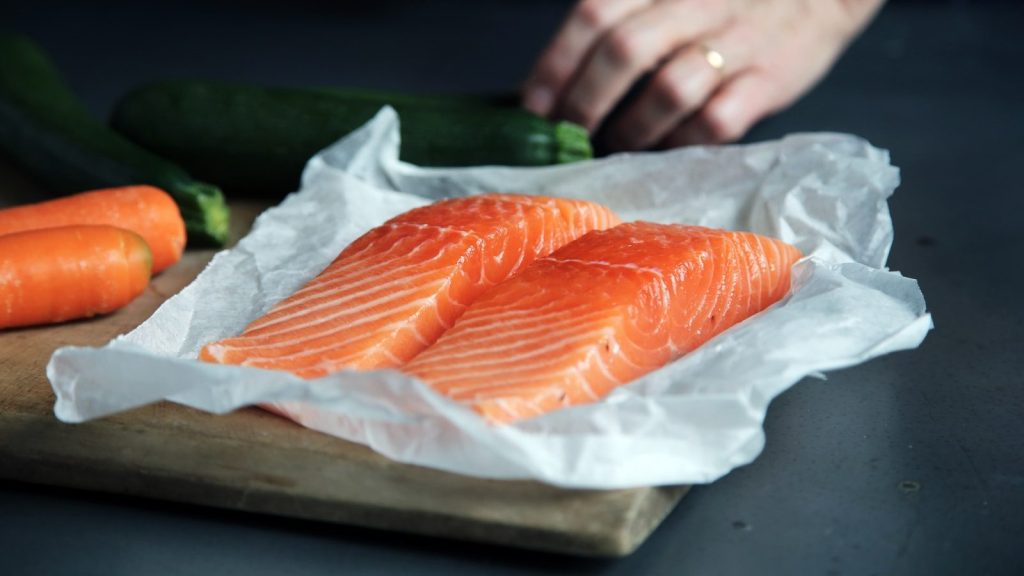
The eating habits developed in your 20s often stick around for decades. Fatty fish such as salmon, trout, sardines, and mackerel provide omega-3 fatty acids that support heart and brain health.
A simple goal is to include fatty fish a couple of times each week as part of your regular meal rotation.
3. In Your 30s, Make Protein A Priority At Breakfast

Busy schedules can make breakfast an afterthought, but starting the day with protein may help support satiety and steady energy.
Options such as Greek yogurt, eggs, cottage cheese, or protein-rich smoothies can help keep hunger from creeping in too quickly before lunch.
4. In Your 40s, Add More Fiber To Everyday Meals
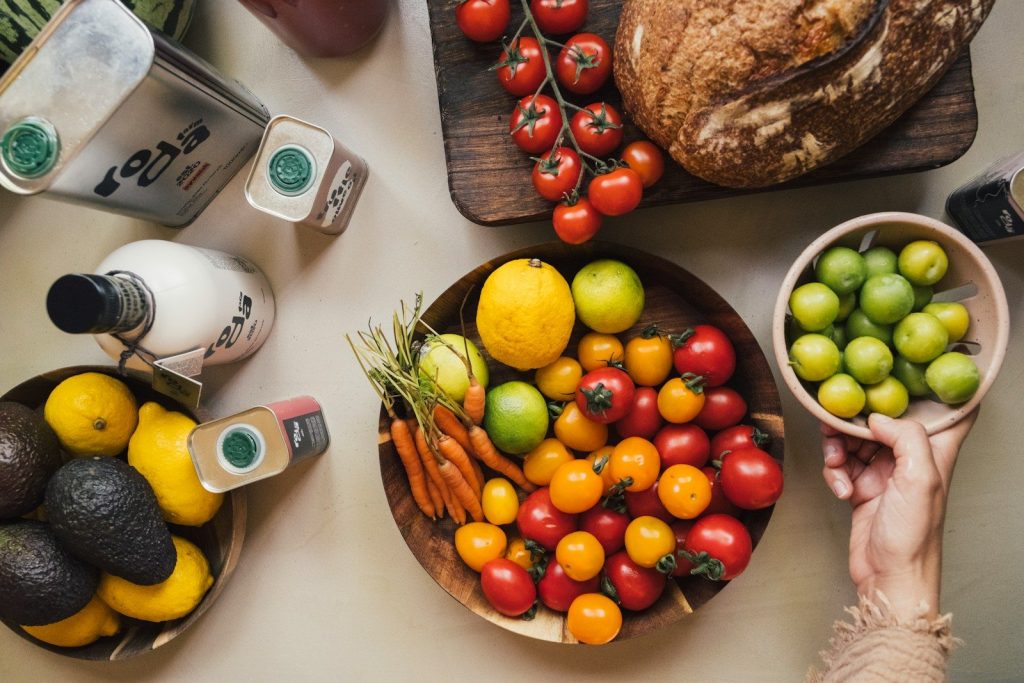
Digestive changes can become more noticeable during this decade. Fiber supports gut health and may help with cholesterol management and blood sugar control.
Beans, oats, berries, pears, and whole grains are easy ways to increase intake without making major dietary changes.
5. In Your 50s, Focus On Calcium-Rich Foods
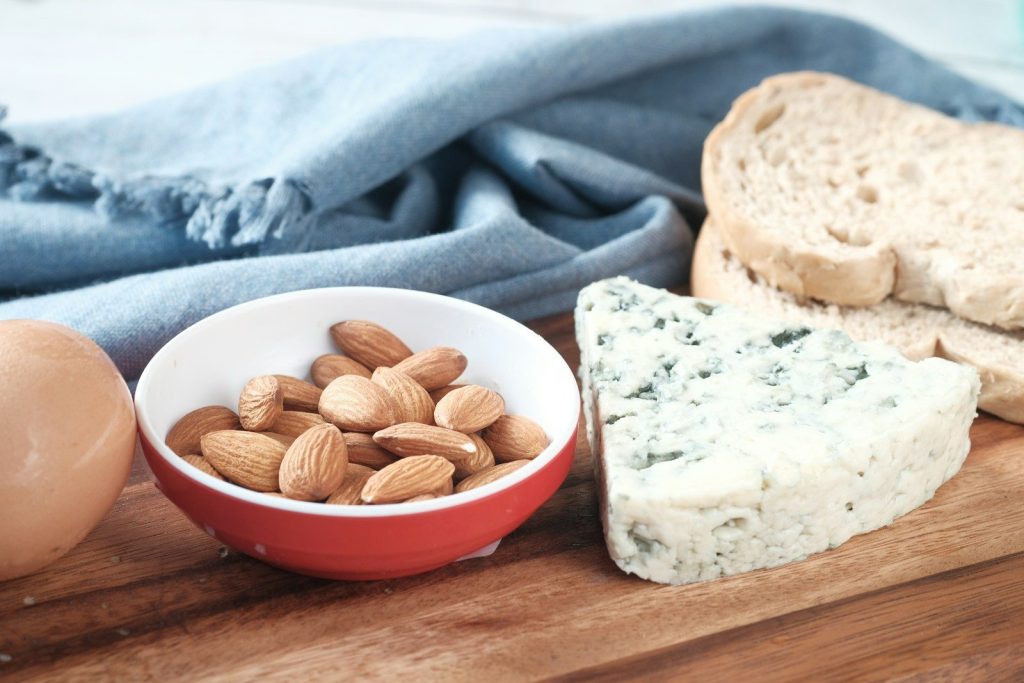
Bone density naturally changes with age, making calcium especially important.
Yogurt, milk, fortified plant-based beverages, tofu made with calcium sulfate, and certain leafy greens can all contribute to daily calcium intake.
6. In Your 60s, Include More High-Quality Protein
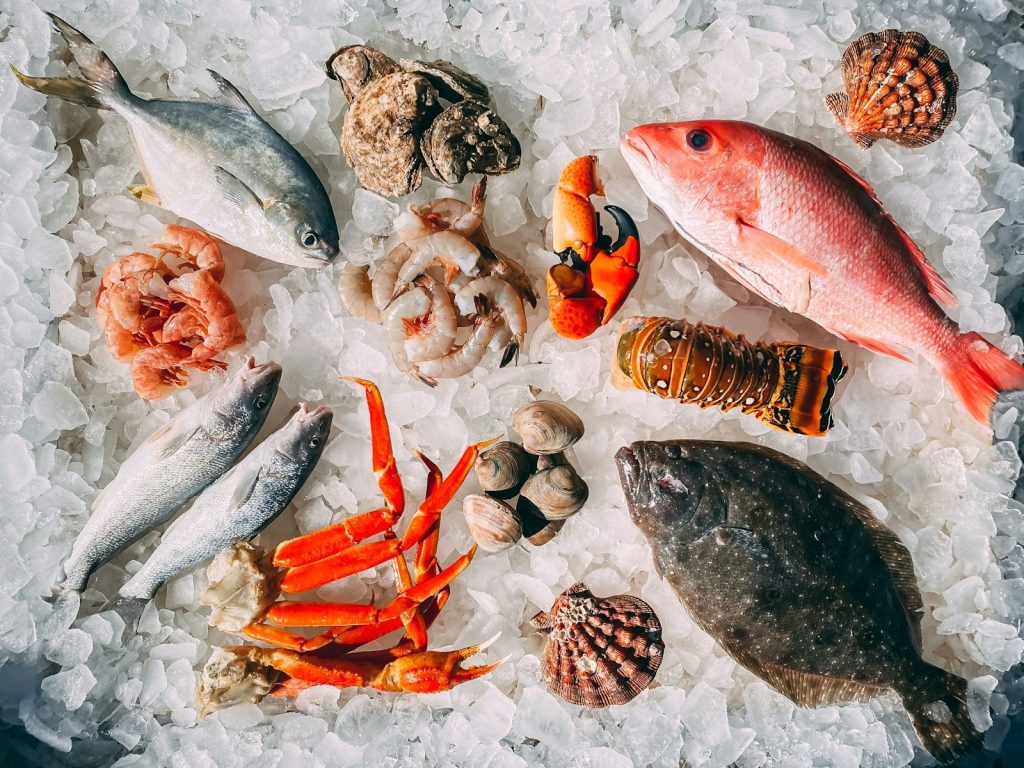
Maintaining muscle becomes increasingly important as the years go by. Protein helps support muscle preservation and physical function.
Try including a source of protein at each meal, such as fish, poultry, eggs, dairy products, beans, or lentils.
7. In Your 70s, Keep Hydrating Foods On The Menu
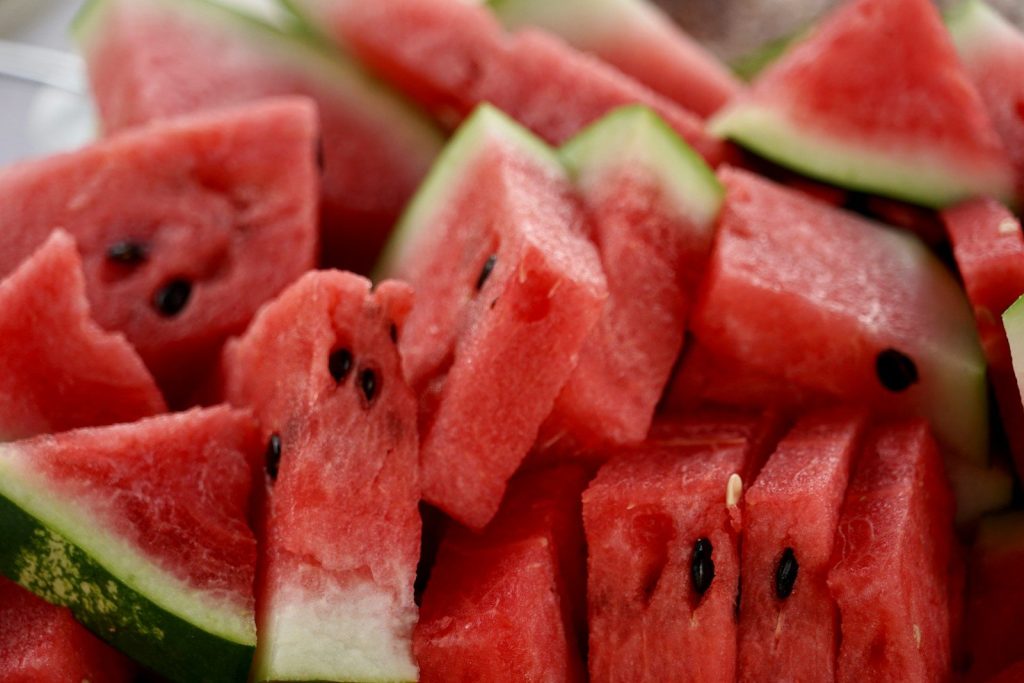
The sensation of thirst often becomes less noticeable with age, which can make hydration more challenging.
Foods with high water content such as cucumbers, watermelon, oranges, strawberries, tomatoes, and soups can help support fluid intake throughout the day.
8. At Any Age, Choose More Colorful Produce
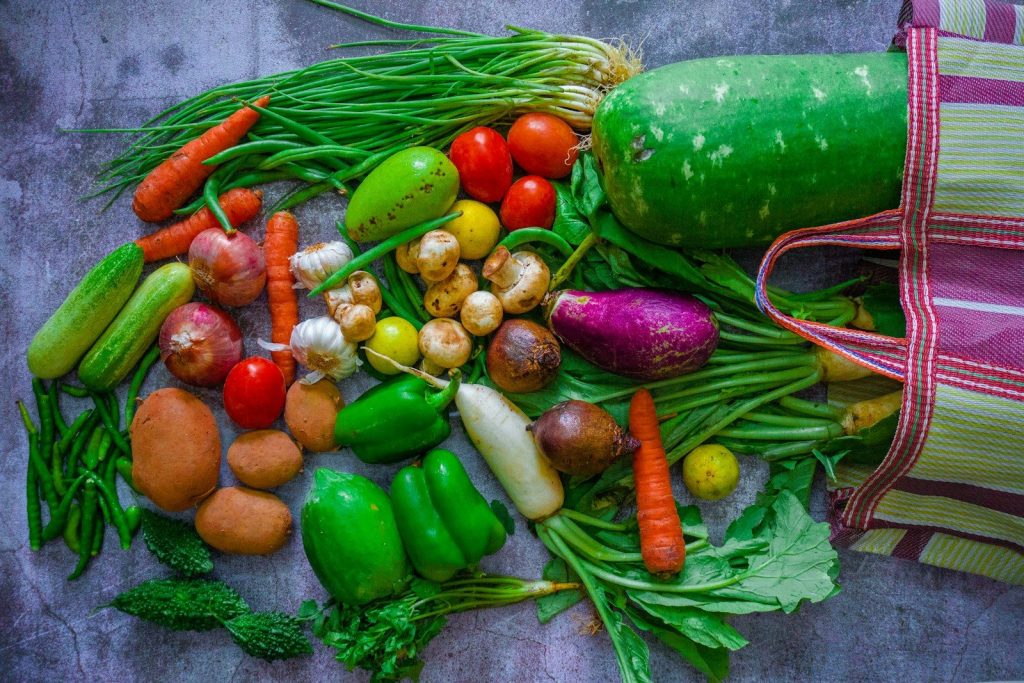
Different colors often signal different beneficial plant compounds.
A practical tip is to include at least two different fruit or vegetable colors on your plate whenever possible. This simple habit can help diversify nutrient intake over time.
9. During Midlife, Snack On Nuts More Often
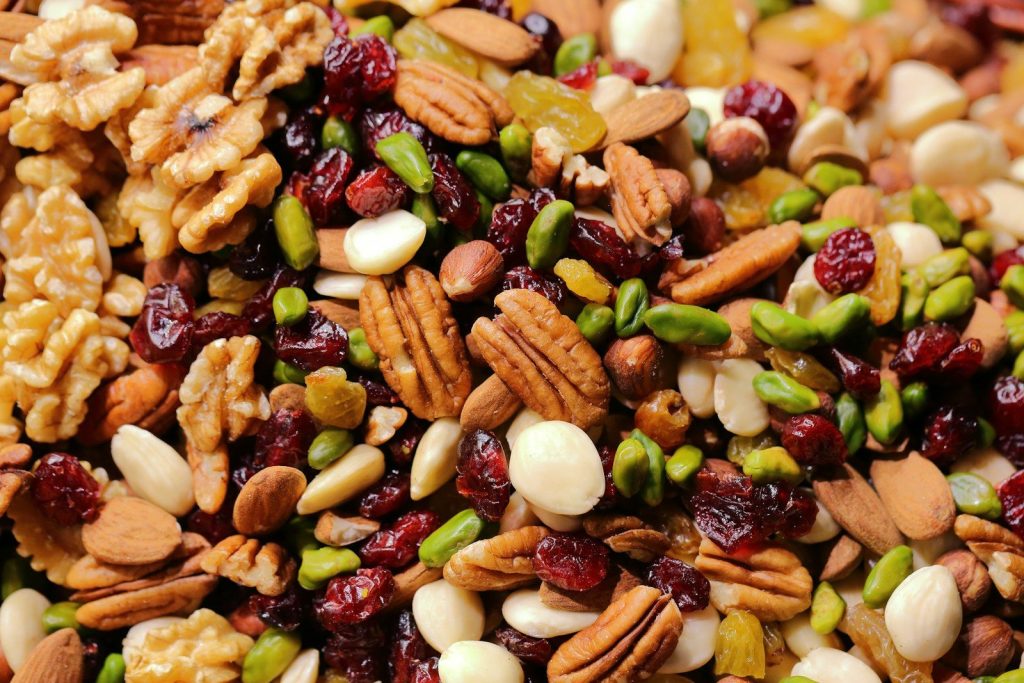
Nuts provide protein, fiber, healthy fats, and important minerals that support heart health.
Keeping almonds, pistachios, walnuts, or cashews available for snacks can make it easier to choose something satisfying between meals.
10. As You Get Older, Don’t Overlook Beans And Lentils
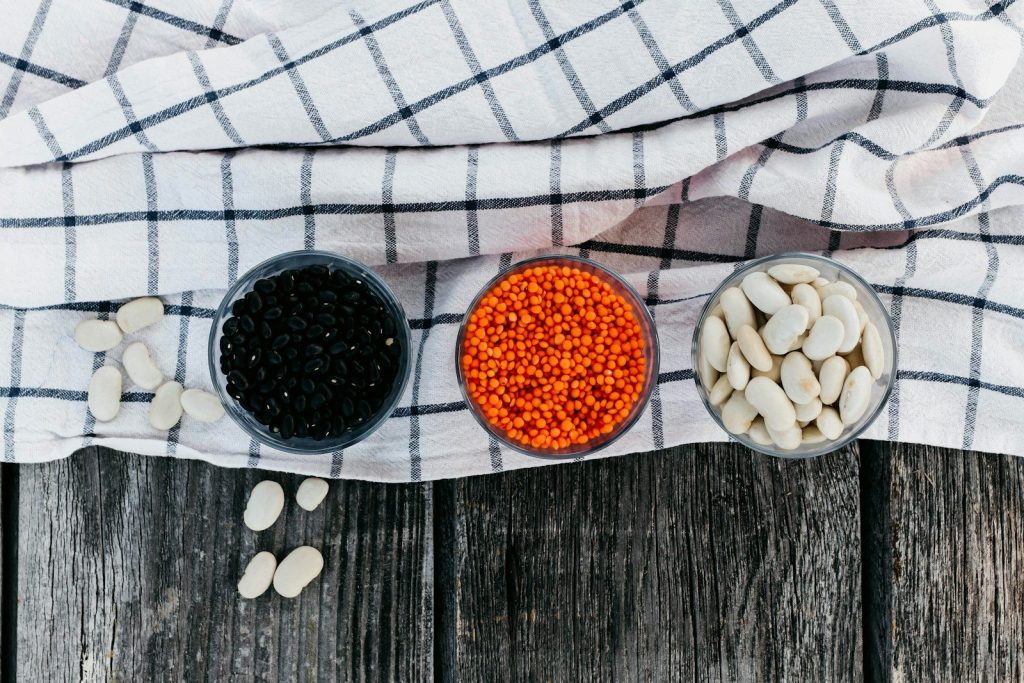
Beans and lentils offer protein, fiber, iron, and a variety of other nutrients while fitting into many different eating styles.
Adding them to soups, salads, grain bowls, or side dishes is an easy way to boost the nutritional value of meals at any stage of life.
The Bottom Line
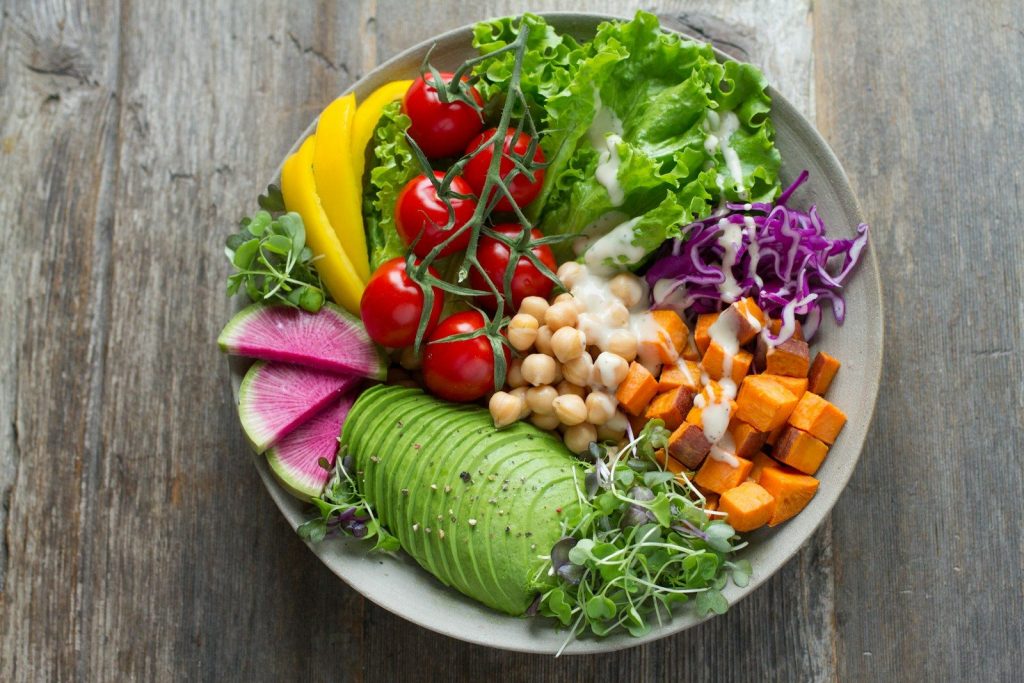
Healthy eating doesn’t require a complete overhaul every decade. Small adjustments that reflect your body’s changing needs can make a meaningful difference over time. From iron-rich foods in the teen years to protein, calcium, fiber, and hydration-focused choices later in life, these simple food tips can help support health through every stage of adulthood.