

Japanese gardens are often admired for their calming atmosphere, but their appeal goes beyond carefully pruned trees and decorative lanterns. Many traditional Japanese design principles focus on guiding the eye, creating balance, and encouraging moments of quiet reflection. The good news is that you do not need a large yard or an expensive renovation to borrow some of these ideas. These smart Japanese garden tricks can bring a sense of serenity to spaces of almost any size.
1. Hide Part Of The Garden From View
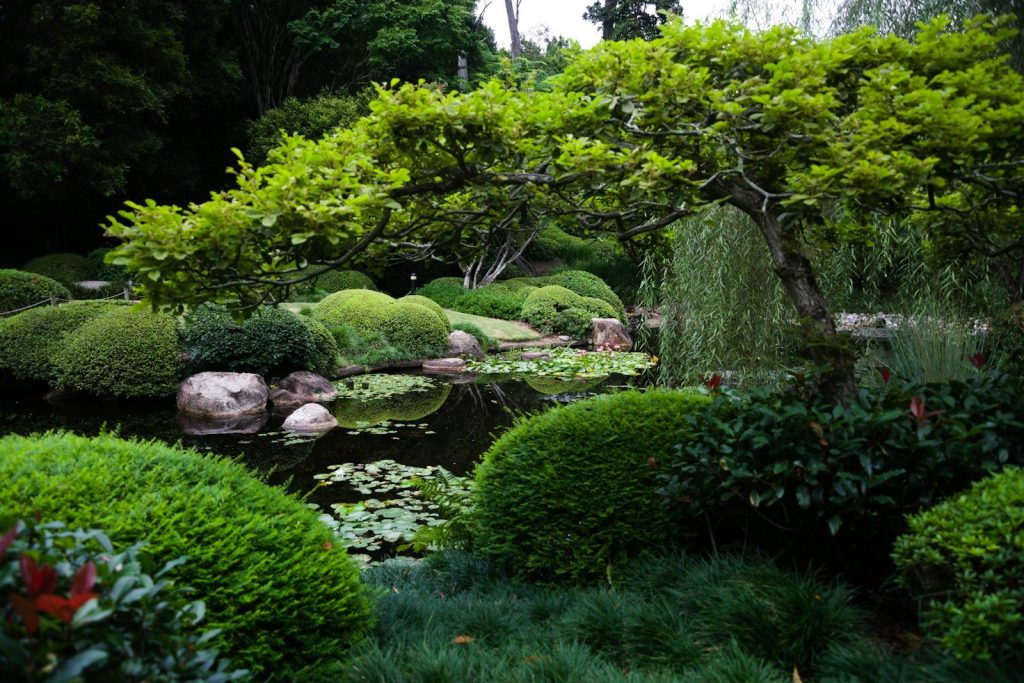
One of the oldest Japanese garden techniques is called “miegakure,” which roughly translates to “hide and reveal.”
Instead of allowing visitors to see everything at once, use shrubs, grasses, screens, or strategically placed plants to partially conceal certain areas. The sense of discovery often makes a garden feel larger and more intriguing.
2. Create A Borrowed Landscape
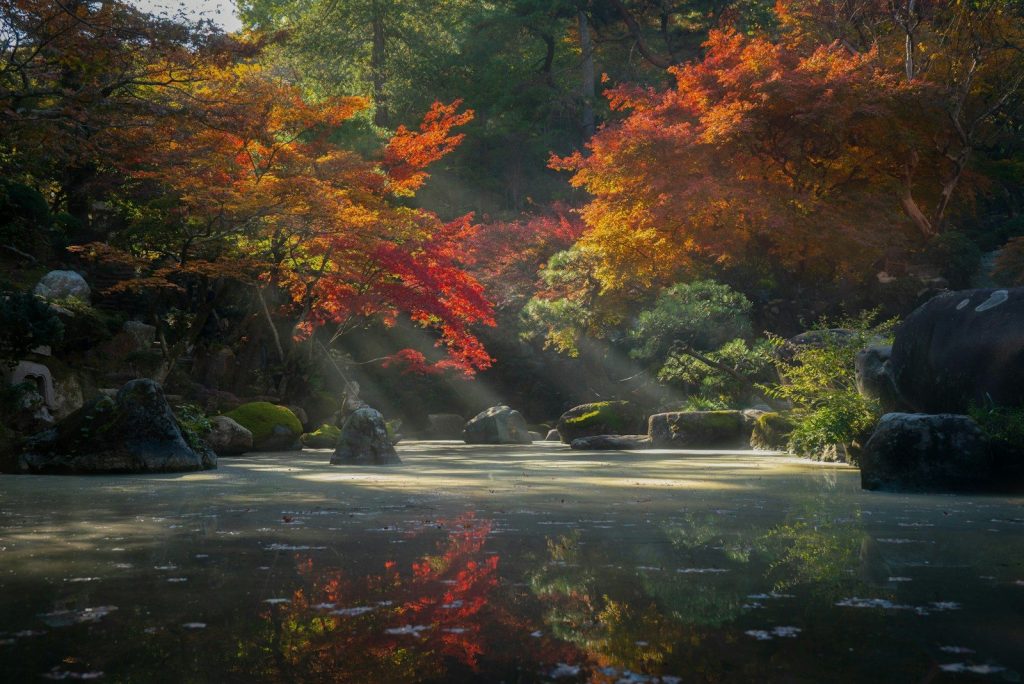
Japanese designers often incorporate distant scenery into the garden itself.
Positioning seating areas or focal points toward attractive trees, hills, or neighboring greenery can make even a small garden feel more expansive without adding a single plant.
3. Use One Statement Rock Instead Of Several Small Ones
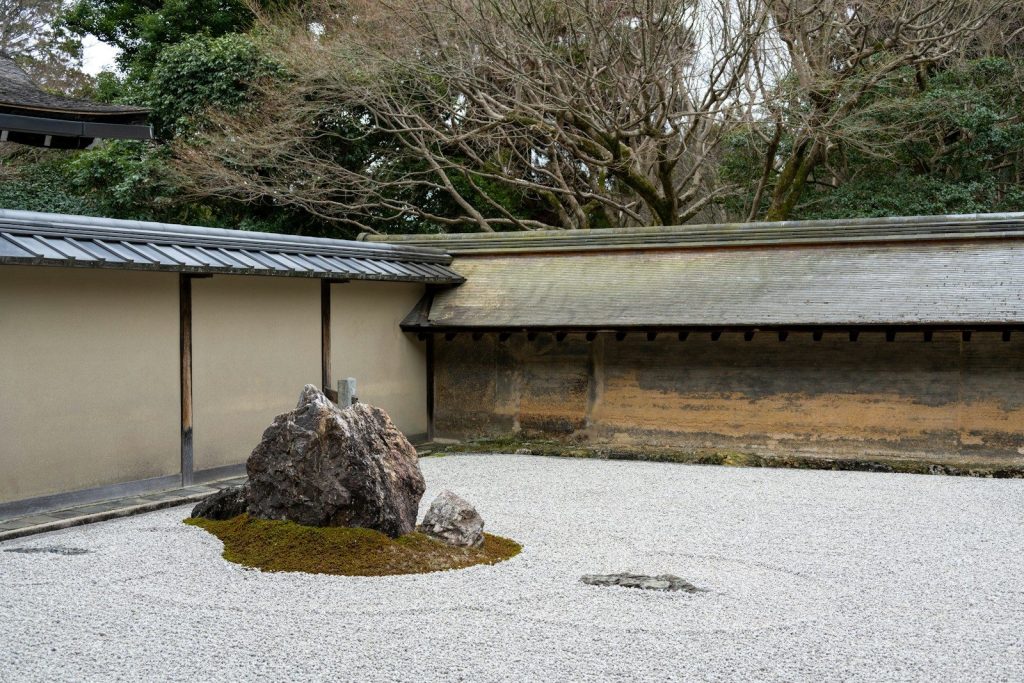
Many people scatter decorative stones throughout a garden.
Japanese gardens frequently rely on a few carefully chosen rocks placed with intention. A single striking stone can create a stronger focal point while reducing visual clutter.
4. Narrow Pathways Slightly As They Recede
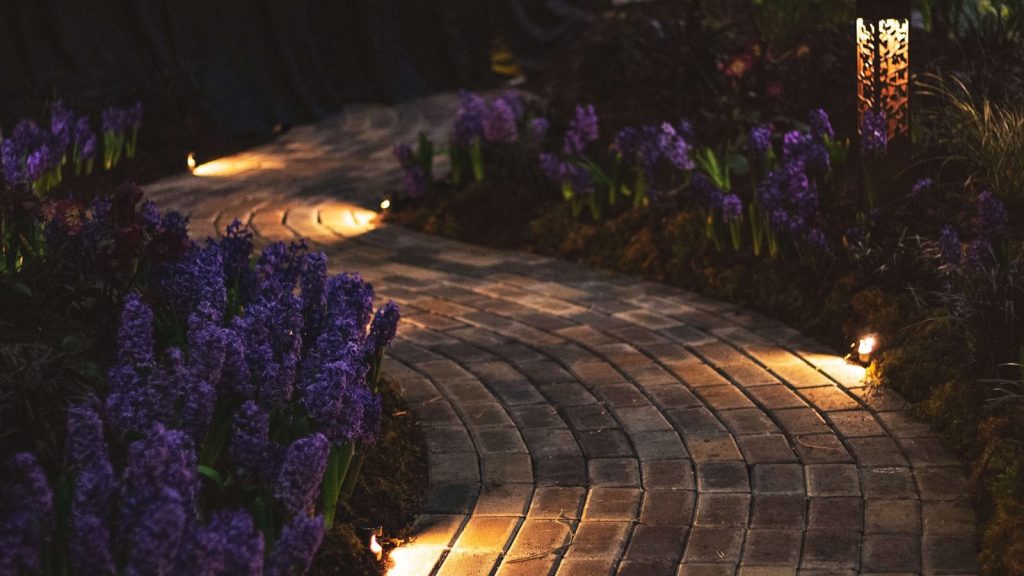
A subtle optical illusion can make small spaces feel larger.
Gradually narrowing a pathway toward the back of the garden encourages the eye to perceive greater depth and distance.
5. Let Moss Fill The Gaps
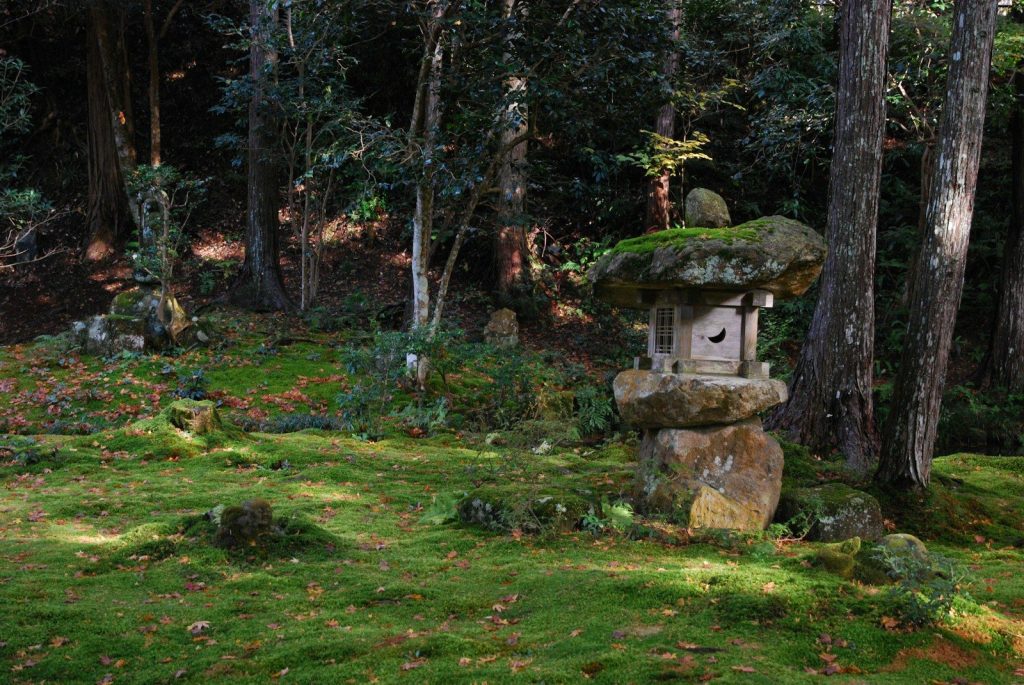
Japanese gardens often celebrate age and natural imperfections.
Moss growing between stepping stones, around rocks, or along shaded borders can soften hard edges and create a more established appearance.
6. Frame A Single View Like A Living Picture
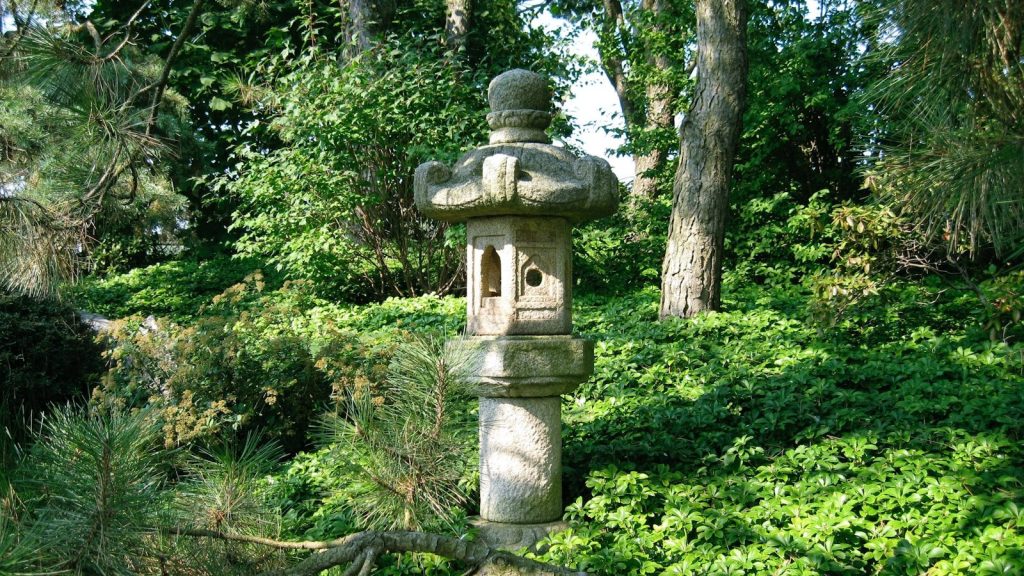
Rather than showcasing everything at once, create one intentional focal point.
A small tree, stone lantern, sculptural shrub, or ornamental grass viewed through an opening in foliage can feel like a framed piece of art.
7. Place Seating Slightly Off-Center
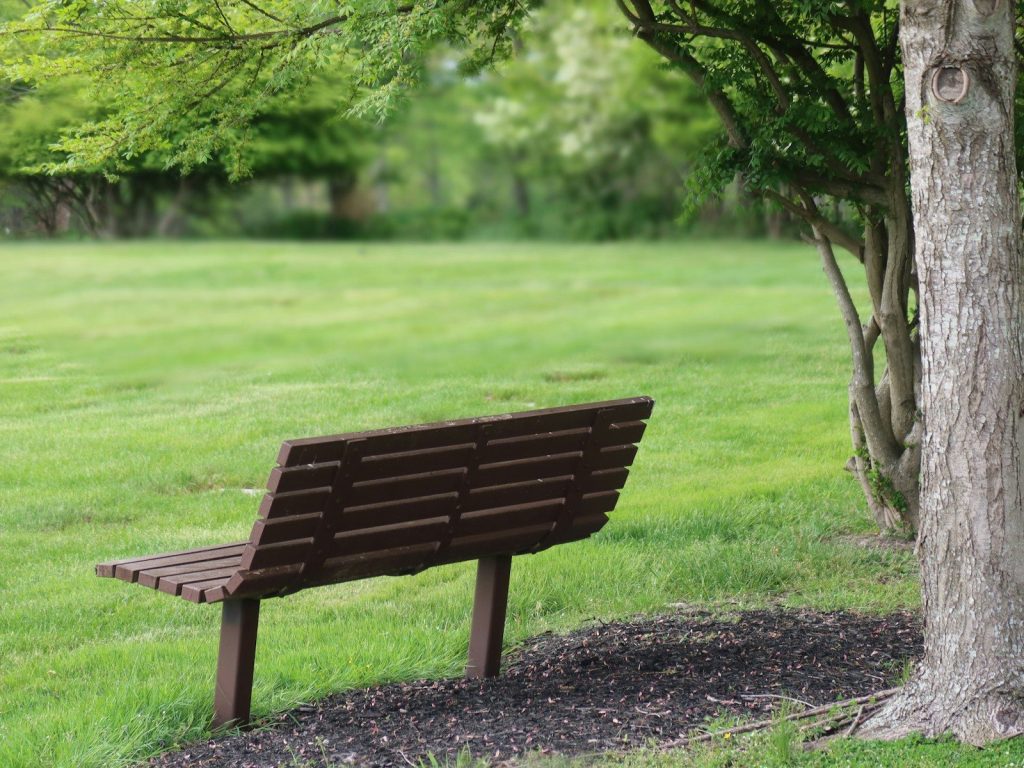
Many gardens position benches directly in the middle of a space.
Japanese design often favors asymmetry. Moving seating slightly off-center can create a more natural and relaxed atmosphere while encouraging different viewing angles.
8. Use Repetition Instead Of Variety
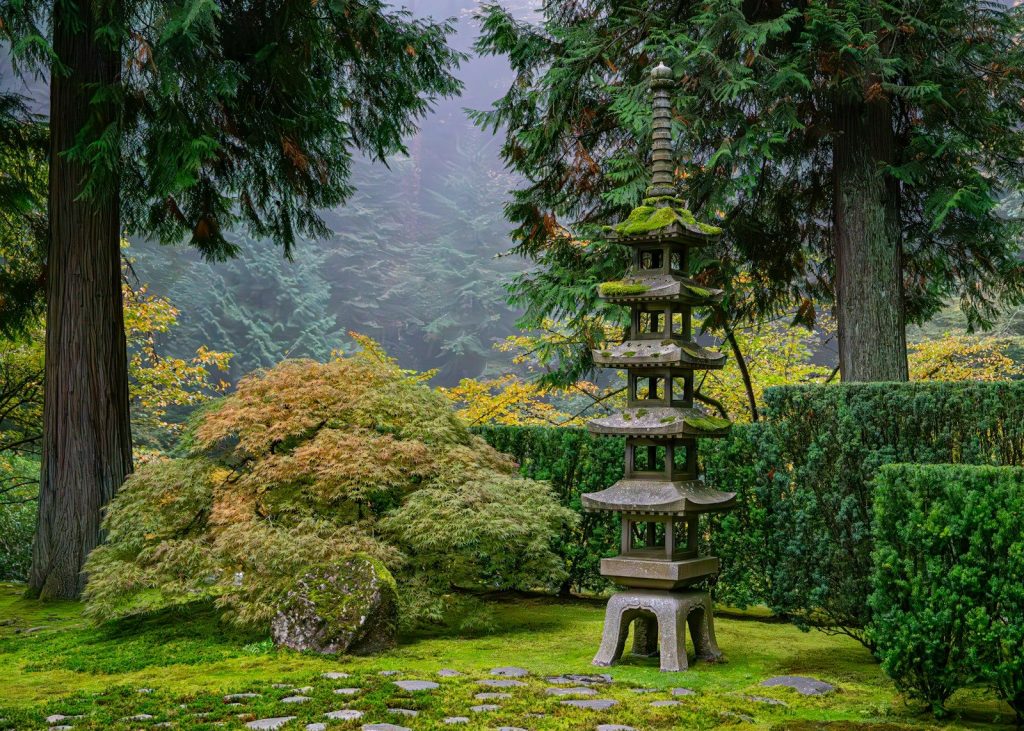
A common mistake is introducing too many plant types.
Repeating the same grasses, shrubs, or ground covers throughout a garden can create a calmer, more cohesive appearance that feels less busy.
9. Add Sound Without Adding Noise
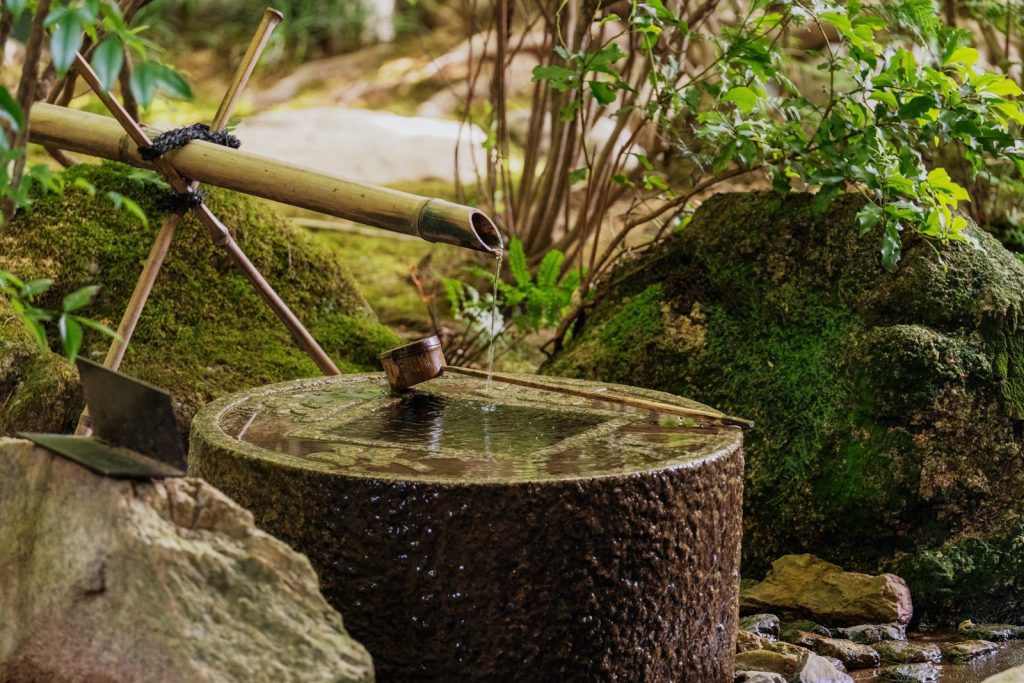
Japanese gardens frequently engage more than just the eyes.
A bamboo water feature, rustling ornamental grass, or small fountain can introduce gentle natural sounds that help mask traffic and other distractions.
Serenity Often Comes From Simplicity
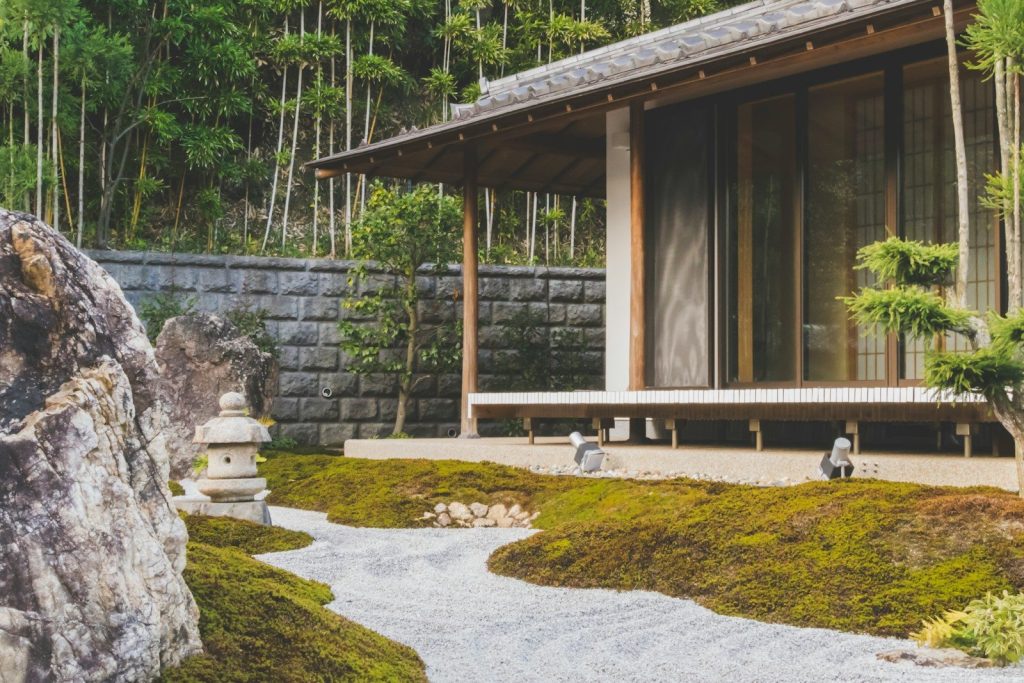
Many Japanese garden techniques rely on restraint rather than excess. By guiding the eye, embracing asymmetry, and creating intentional focal points, even small outdoor spaces can feel calmer and more inviting. Sometimes the most effective garden upgrades are the ones that quietly reshape how a space is experienced.