

Getting more vitamins and minerals isn’t always about eating more food. Sometimes it’s about making small adjustments that help your body absorb nutrients more effectively or sneak extra nutrition into meals you already enjoy. These clever eating hacks can help you get more nutritional value from everyday foods without overhauling your diet.
1. Add Black Pepper To Tomatoes For Better Nutrient Uptake
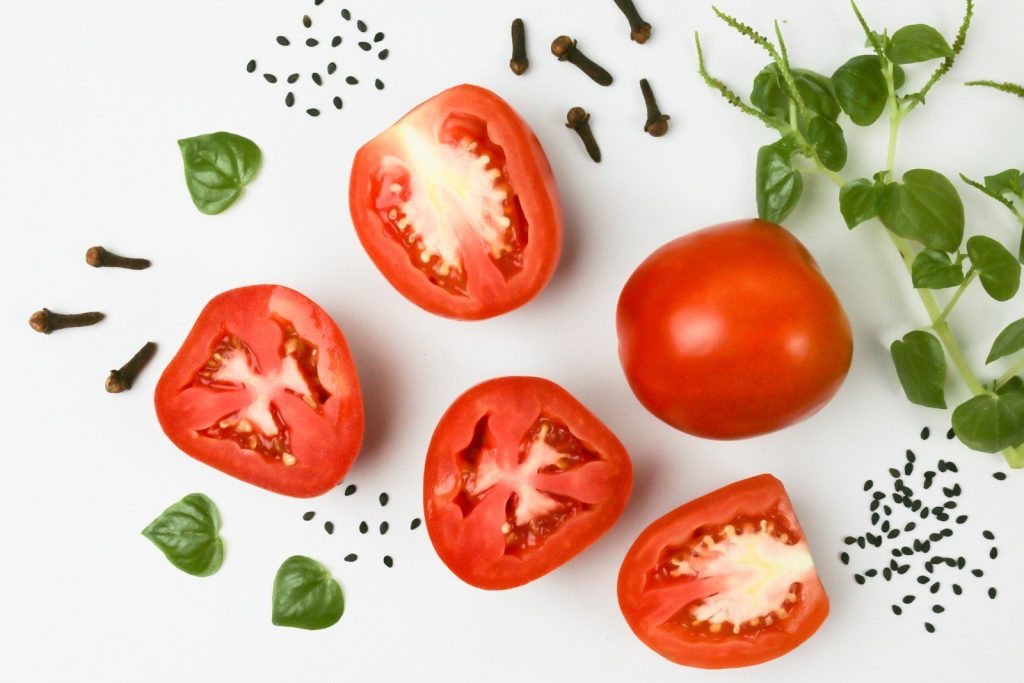
Tomatoes contain beneficial plant compounds such as lycopene.
Adding black pepper and a small amount of healthy fat can help your body make better use of those compounds while enhancing flavor at the same time.
2. Keep Frozen Produce As A Nutritional Backup
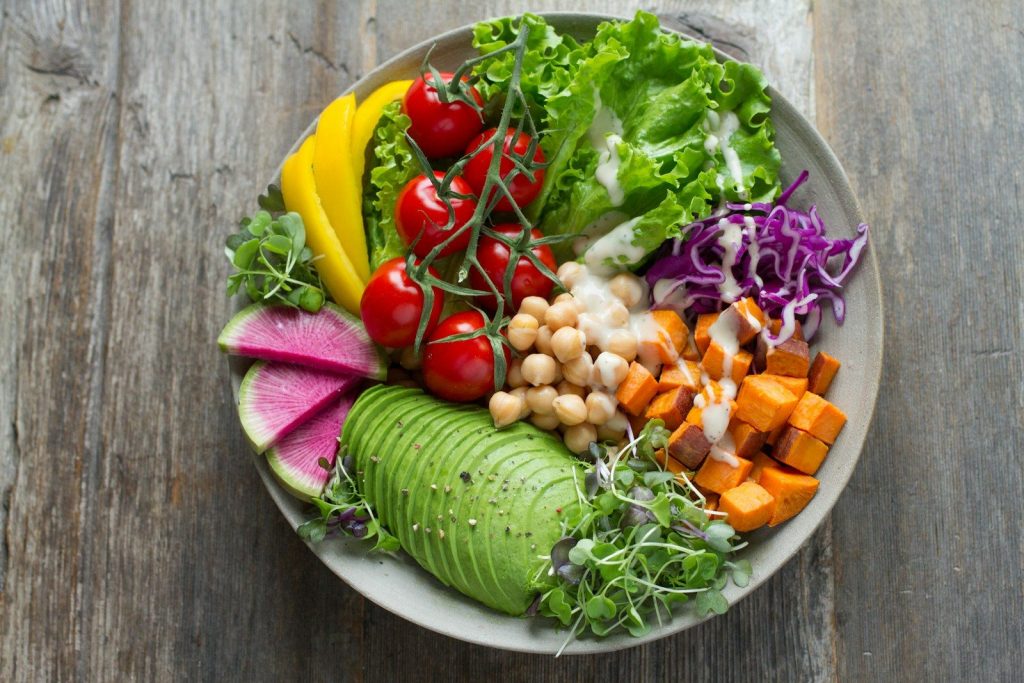
Many people buy fresh vegetables with good intentions, only to throw them away later.
Frozen vegetables and fruits are often picked and frozen at peak ripeness, making them an easy way to increase nutrient intake without worrying about spoilage.
3. Pair Vitamin C Foods With Iron-Rich Meals
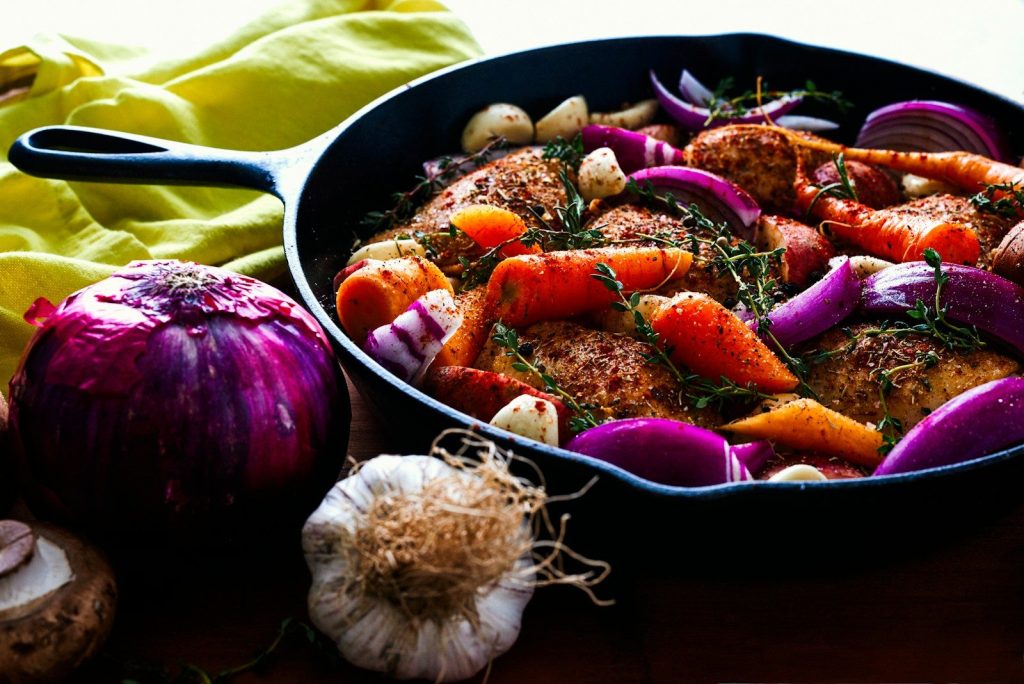
Vitamin C can help improve the absorption of non-heme iron found in foods such as beans, lentils, spinach, and tofu.
A squeeze of lemon, a few strawberries, or sliced bell peppers can make a bigger difference than many people realize.
4. Save Broccoli Stems Instead Of Throwing Them Away
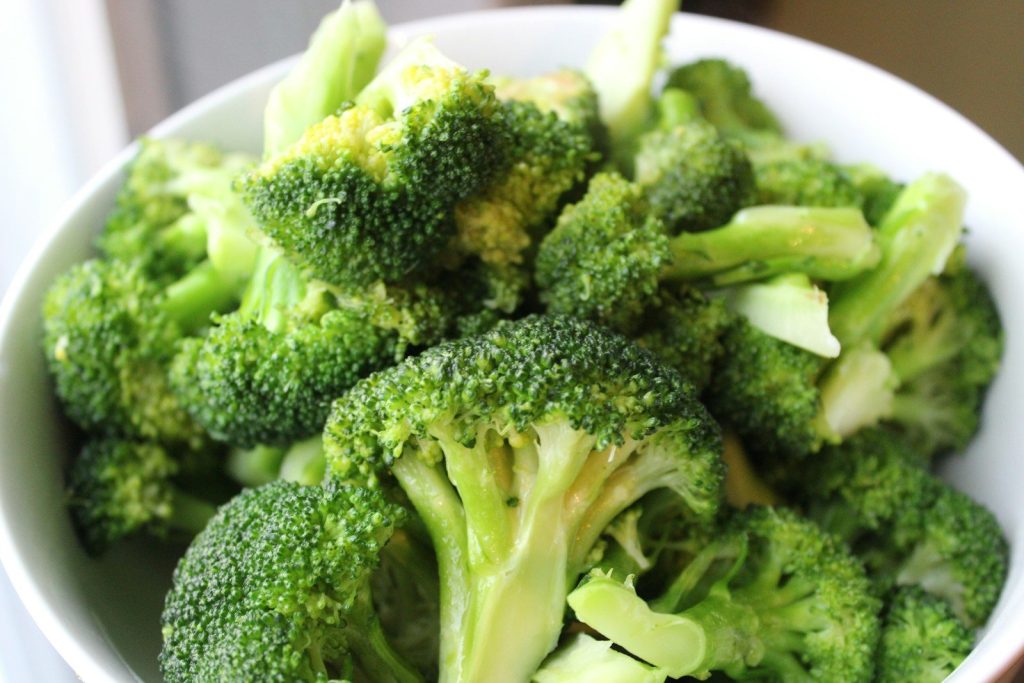
Broccoli stems contain many of the same nutrients as the florets.
Slice them into stir-fries, soups, slaws, or roasted vegetable mixes to reduce waste and increase vegetable intake.
5. Choose Orange And Purple Produce More Often
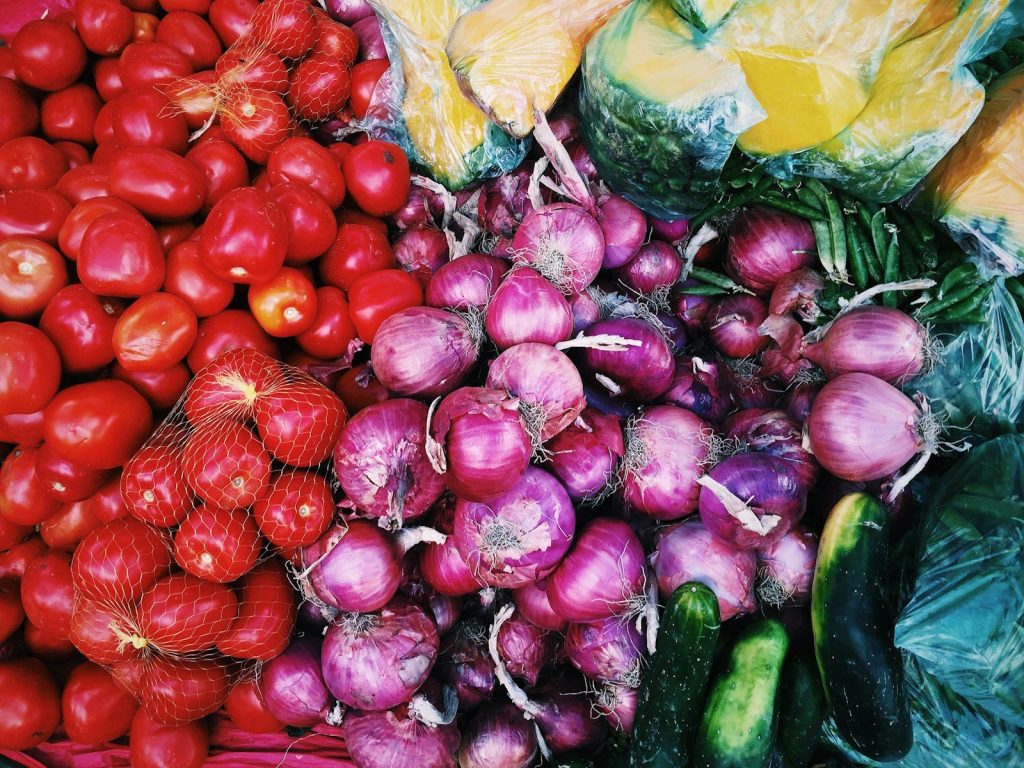
Color can be a useful nutrition shortcut.
Orange sweet potatoes, purple cabbage, blackberries, and other colorful foods often contain different vitamins and plant compounds than pale-colored alternatives.
6. Add Powdered Milk To Oatmeal And Soups

A spoonful of powdered milk can quietly boost calcium, protein, phosphorus, and other nutrients.
It blends easily into oatmeal, soups, mashed potatoes, and sauces.
7. Roast Pumpkin Seeds Instead Of Discarding Them
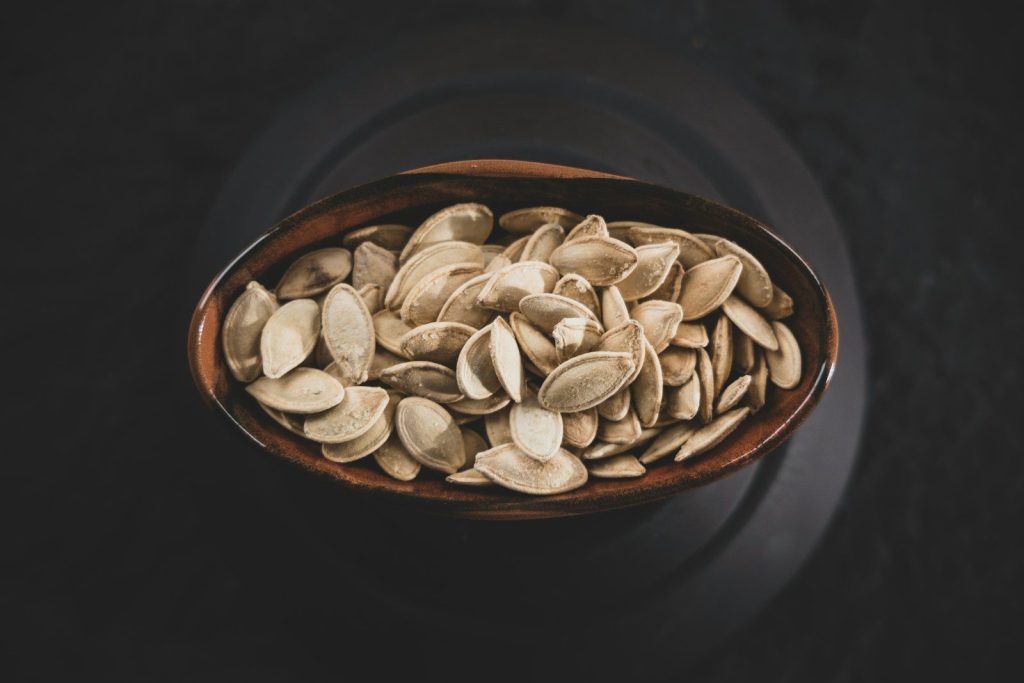
Pumpkin seeds provide minerals such as magnesium, zinc, and iron.
Roasting them after carving or cooking pumpkin creates a nutrient-rich snack from something many households throw away.
8. Let Garlic Rest Before Cooking
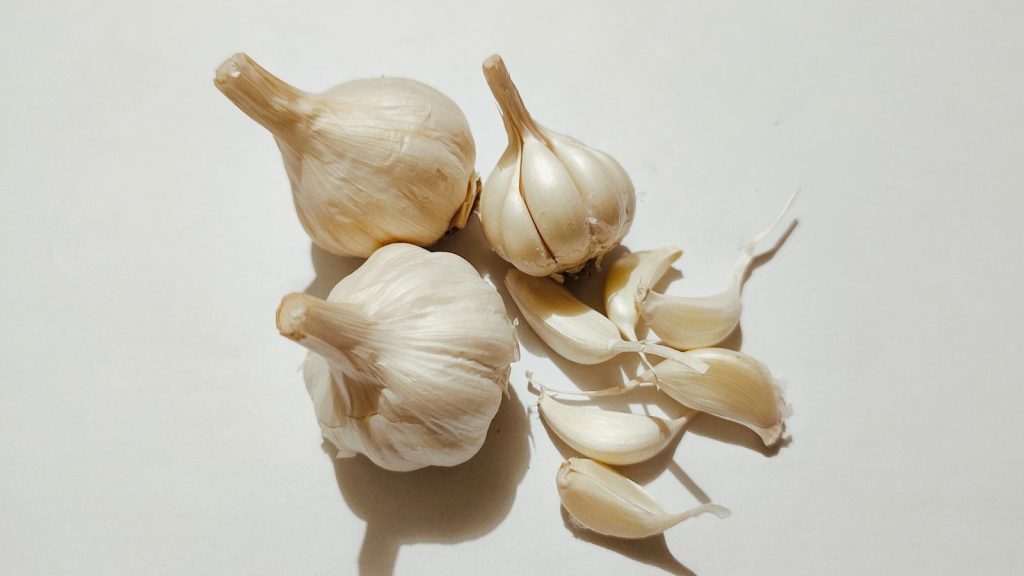
After chopping garlic, wait about 10 minutes before heating it.
This allows beneficial compounds to develop more fully before cooking begins.
9. Add A Handful Of Microgreens To Finished Meals
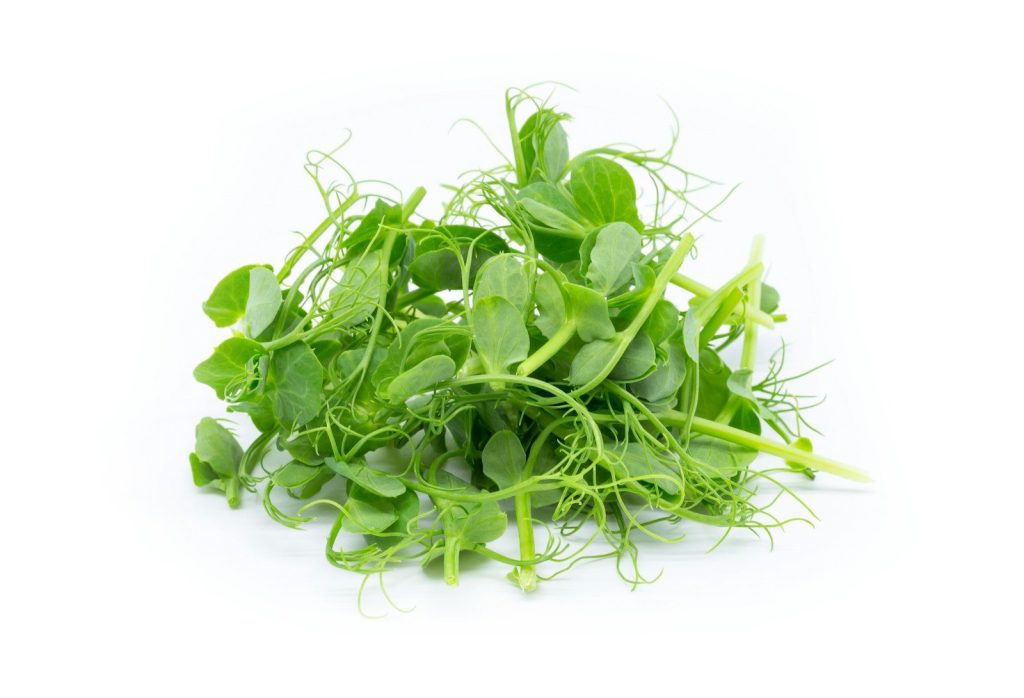
Microgreens can contain concentrated amounts of certain nutrients compared to their mature counterparts.
A small handful on sandwiches, eggs, soups, grain bowls, or salads can provide an easy nutritional upgrade without changing the meal dramatically.
Small Tweaks Can Deliver Bigger Nutritional Benefits

Improving your intake of vitamins and minerals does not always require dramatic dietary changes. Sometimes the most effective strategies involve making smarter use of foods you already buy, pairing ingredients strategically, and paying attention to preparation methods that help nutrients shine.