

Inflammation is a natural part of the body’s immune response, though long-term inflammation has been linked to health concerns such as heart disease, diabetes, joint pain, and digestive issues. Lifestyle habits, stress, poor sleep, and heavily processed foods may all contribute to chronic inflammation over time.
The good news is that many everyday foods contain nutrients and compounds that may help support a healthier inflammatory response. Adding more of these foods to your routine can be a simple way to support overall wellness without completely changing your diet.
Here are 10 everyday foods that can help fight inflammation.
1. Berries
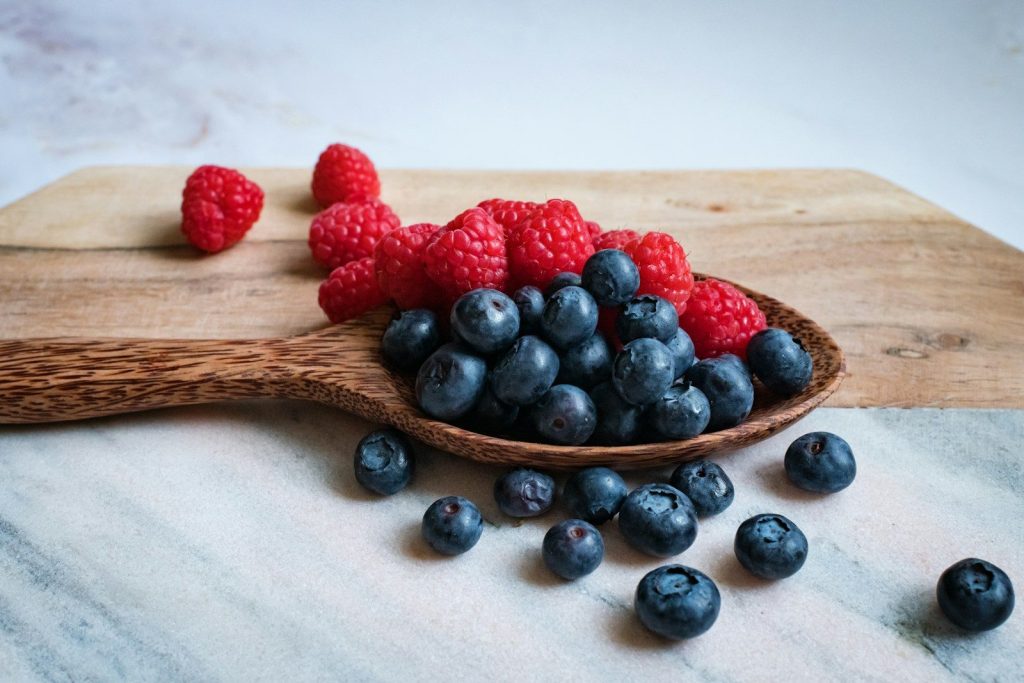
Berries such as blueberries, strawberries, raspberries, and blackberries are packed with antioxidants called anthocyanins. These compounds are linked to anti-inflammatory benefits and may help protect cells from oxidative stress.
They are also naturally high in fiber, which supports digestive health and helps keep meals more satisfying.
Fresh or frozen berries work well in smoothies, yogurt bowls, oatmeal, or healthy desserts.
2. Fatty Fish
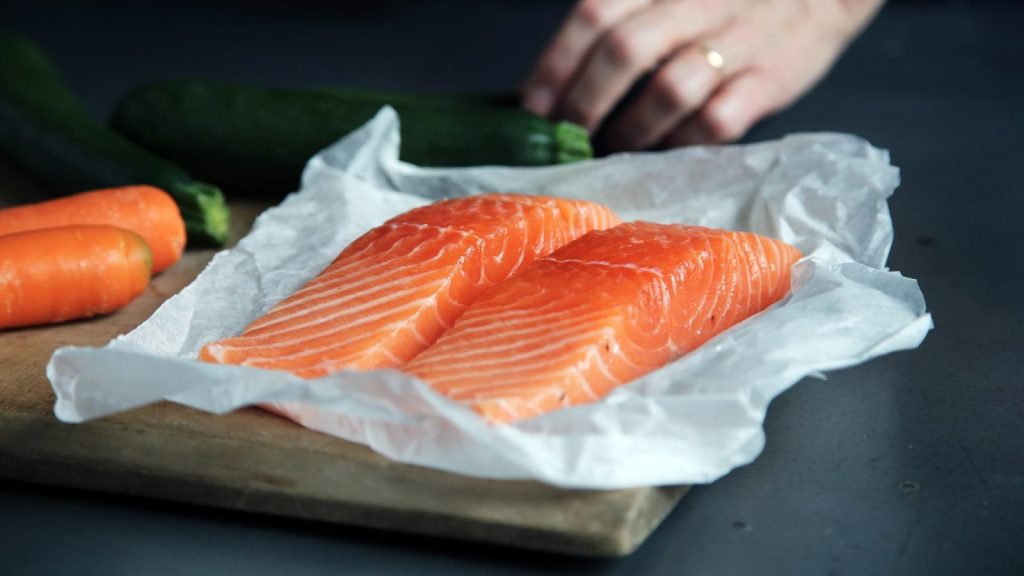
Salmon, sardines, mackerel, and trout contain omega-3 fatty acids, which are widely known for supporting heart and brain health.
Omega-3s may also help reduce inflammation in the body and support joint comfort over time.
Grilled fish, fish tacos, salads, and grain bowls can make it easier to include these healthy fats in regular meals.
3. Leafy Greens
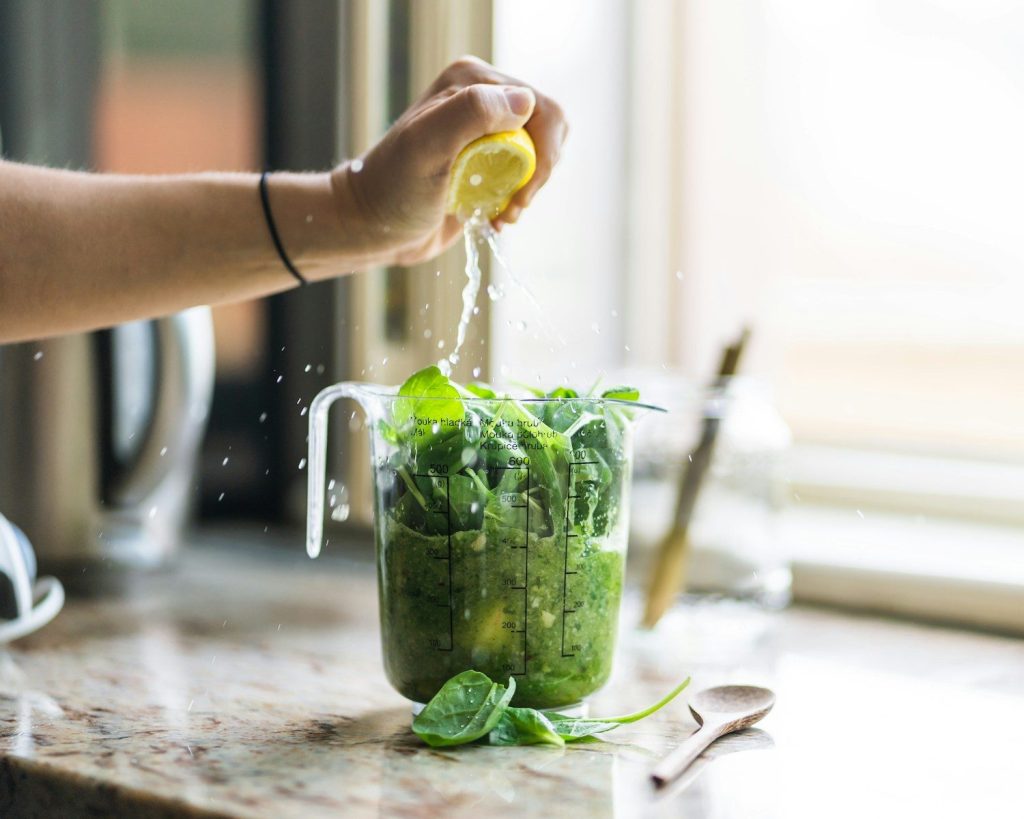
Spinach, kale, Swiss chard, and arugula provide vitamins, minerals, and antioxidants that may help support the body’s natural defense systems.
These vegetables are also low in calories while adding fiber and nutrients to meals.
Leafy greens can be blended into smoothies, added to soups, or used as the base for salads and wraps.
4. Olive Oil

Extra virgin olive oil contains healthy fats and plant compounds that have been associated with anti-inflammatory effects.
It is a staple ingredient in Mediterranean-style eating patterns, which are often linked to heart health benefits.
Using olive oil in salad dressings, roasted vegetables, or simple cooking can be an easy swap for more heavily processed fats.
5. Tomatoes
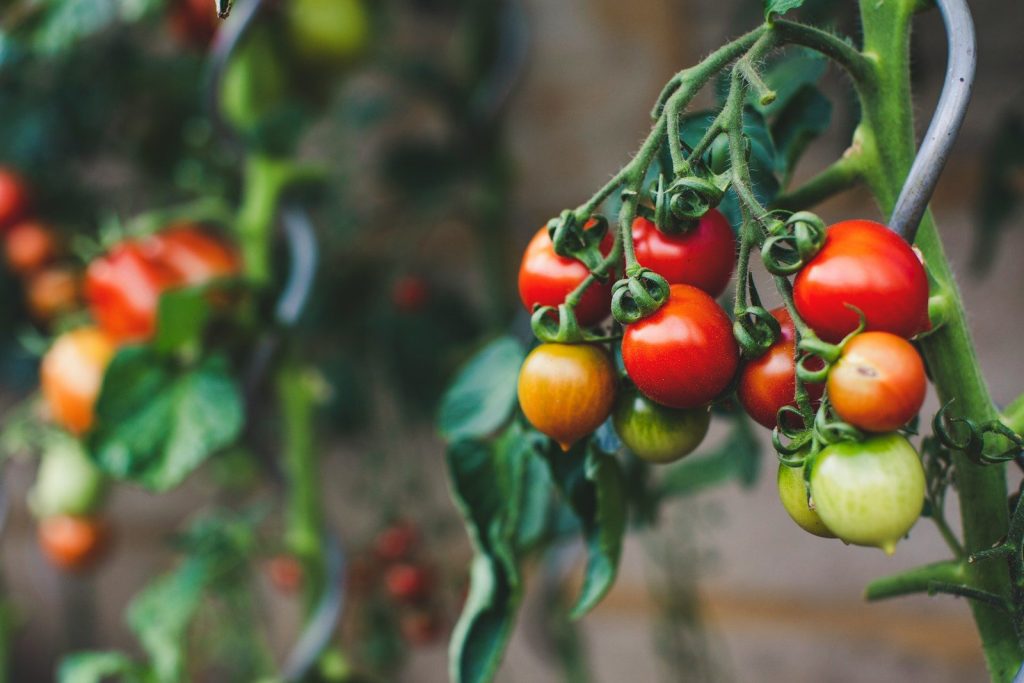
Tomatoes contain antioxidants such as lycopene, which may help protect the body from inflammation and cellular stress.
Cooking tomatoes can actually increase lycopene availability, making sauces and soups useful additions to meals.
Fresh tomatoes also bring flavor and moisture to salads, sandwiches, and grain dishes.
6. Nuts
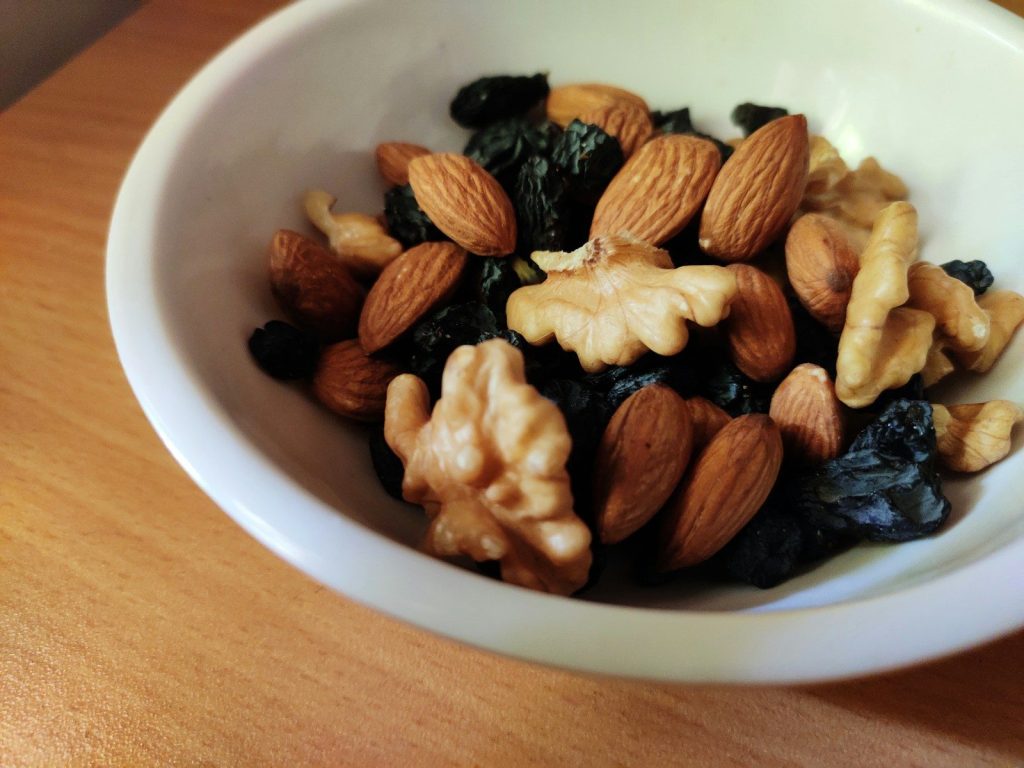
Almonds, walnuts, pistachios, and other nuts provide healthy fats, protein, and antioxidants that may support overall health.
Walnuts are especially known for containing plant-based omega-3 fatty acids.
A small handful of nuts can make a filling snack while adding texture to salads, yogurt, and oatmeal.
7. Avocados
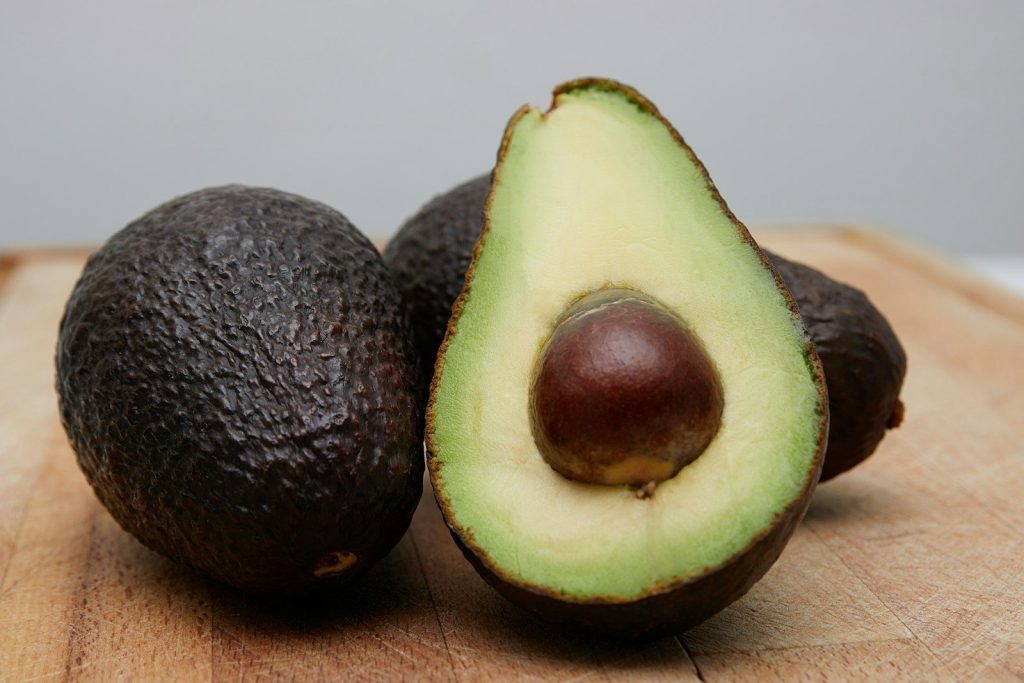
Avocados offer fiber, potassium, and healthy monounsaturated fats that may help support heart health and inflammation balance.
Their creamy texture makes meals feel satisfying without requiring heavily processed ingredients.
Avocados work well in salads, sandwiches, smoothies, and grain bowls.
8. Green Tea

Green tea contains plant compounds called catechins, which are linked to antioxidant and anti-inflammatory effects.
Many people also enjoy it as a lighter alternative to sugary beverages.
Drinking green tea hot or iced can be a refreshing way to support hydration throughout the day.
9. Turmeric

Turmeric contains curcumin, a compound known for its anti-inflammatory properties.
The spice is commonly used in curries, soups, rice dishes, and teas. Pairing turmeric with black pepper may help improve curcumin absorption.
Its warm flavor also works surprisingly well in roasted vegetables and smoothies.
10. Beans
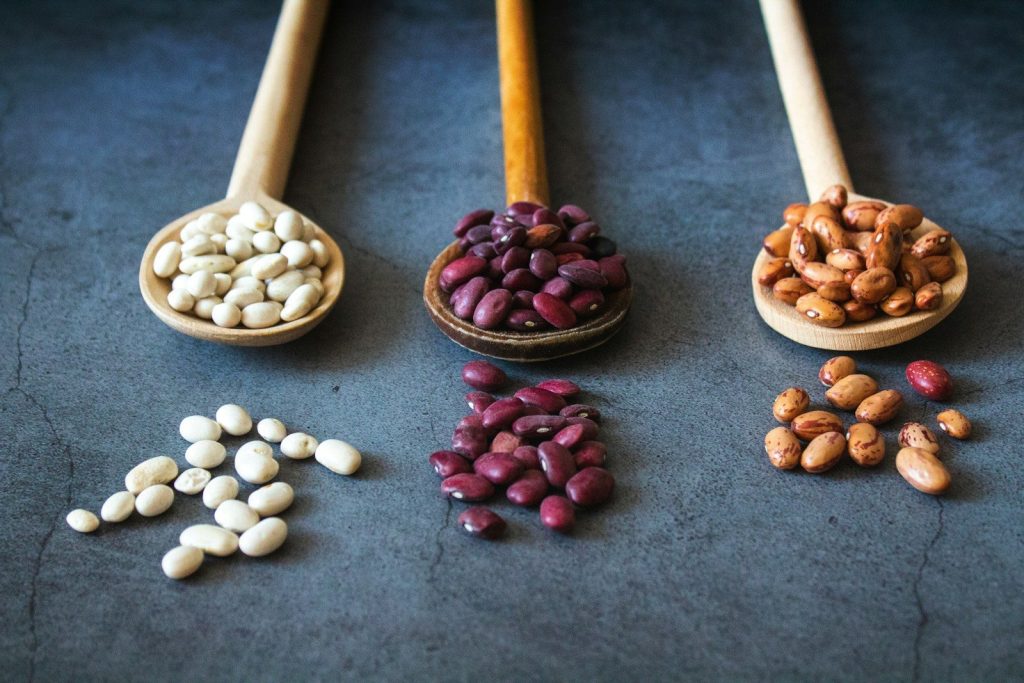
Beans such as black beans, chickpeas, lentils, and kidney beans provide fiber, plant protein, and antioxidants that support gut and heart health.
High-fiber foods may help support a healthier inflammatory response while also promoting fullness after meals.
Beans can easily be added to soups, salads, tacos, grain bowls, and pasta dishes.
Final Thoughts
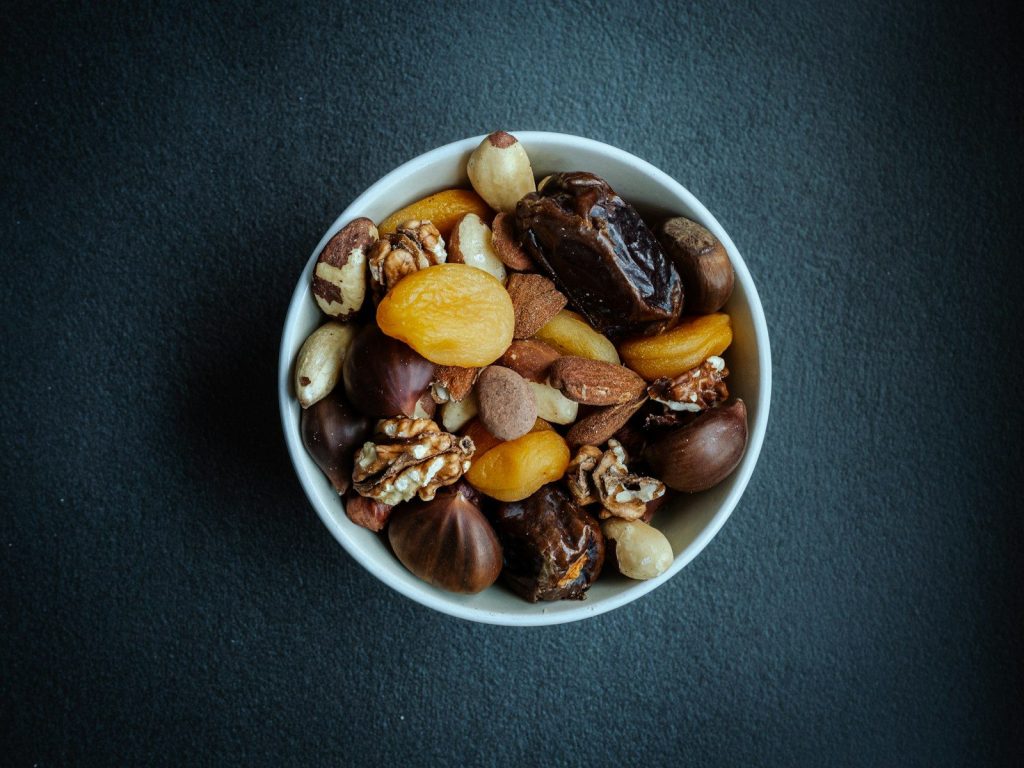
Fighting inflammation does not require expensive supplements or overly restrictive eating plans. Many common foods already contain nutrients that may support the body naturally.
Adding berries, leafy greens, fatty fish, nuts, and other nutrient-rich ingredients to regular meals can be a simple step toward feeling healthier and more energized over time.