

Long before digital thermometers, air fryers, and online recipes, home cooks relied on simple kitchen wisdom to turn out crispy, golden fried foods. Many of these practical tricks were passed down through generations and helped make the most of basic ingredients while improving flavor and texture. While some have faded from everyday use, they still offer useful lessons for anyone who enjoys cooking.
1. Test The Oil With A Wooden Spoon
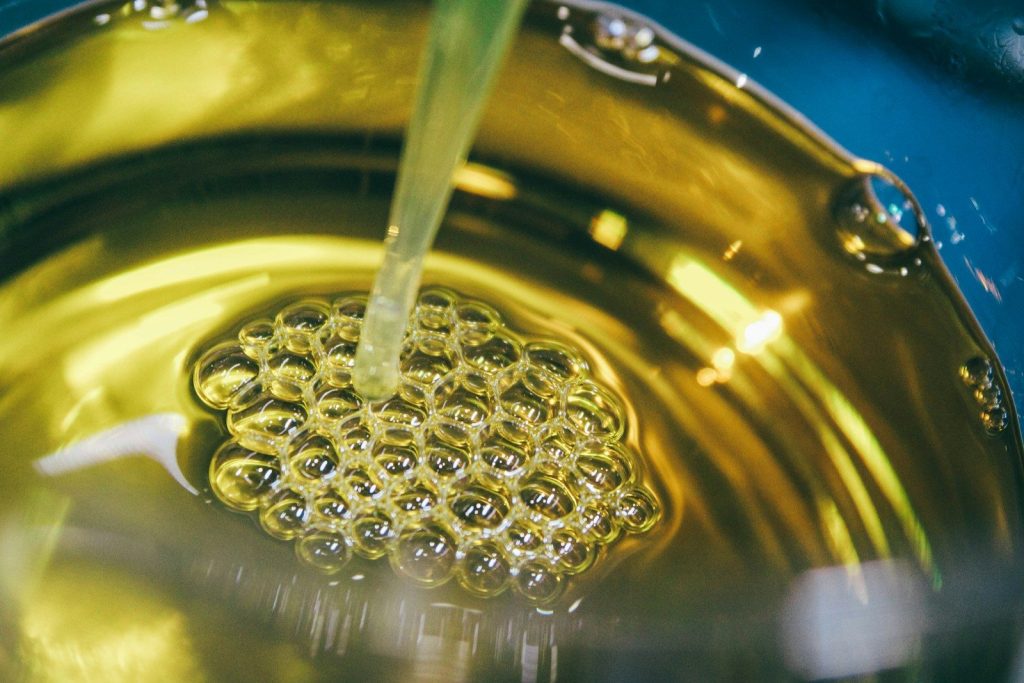
Many grandparents didn’t have instant-read thermometers on hand.
A common trick was to place the handle of a wooden spoon into the oil. If small bubbles formed around the wood, the oil was often considered ready for frying.
2. Dry Ingredients Thoroughly Before Frying
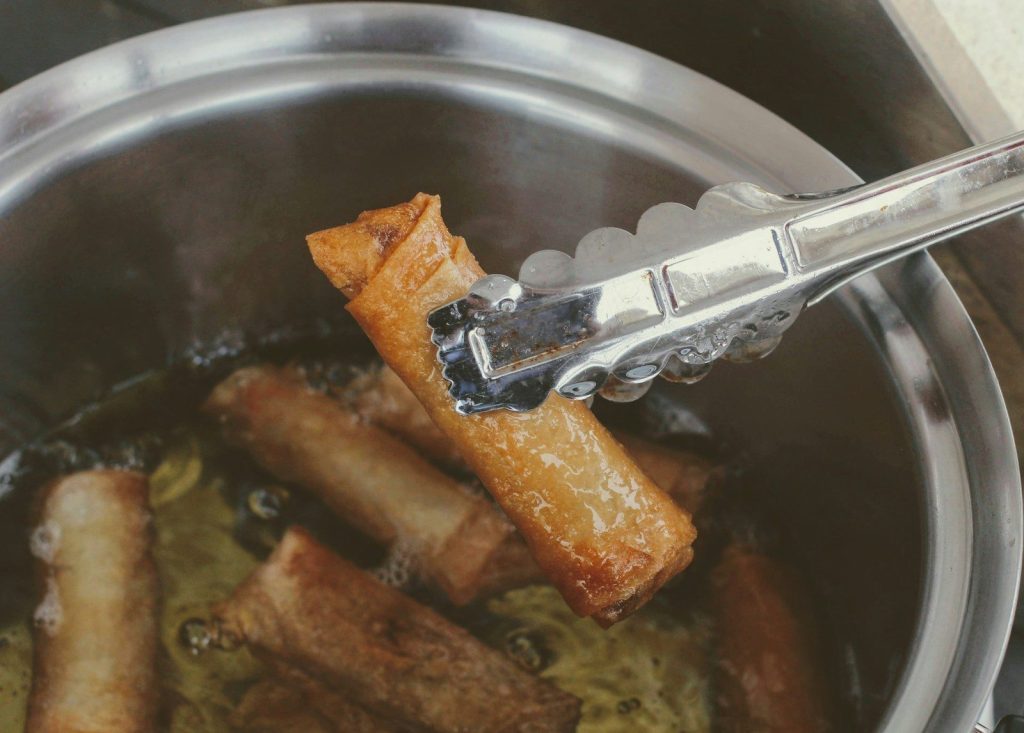
Excess moisture can interfere with crispness and cause unwanted splattering.
Patting vegetables, fish, or chicken dry before coating them was a simple step that helped achieve a better crust.
3. Save Bacon Fat For Future Frying
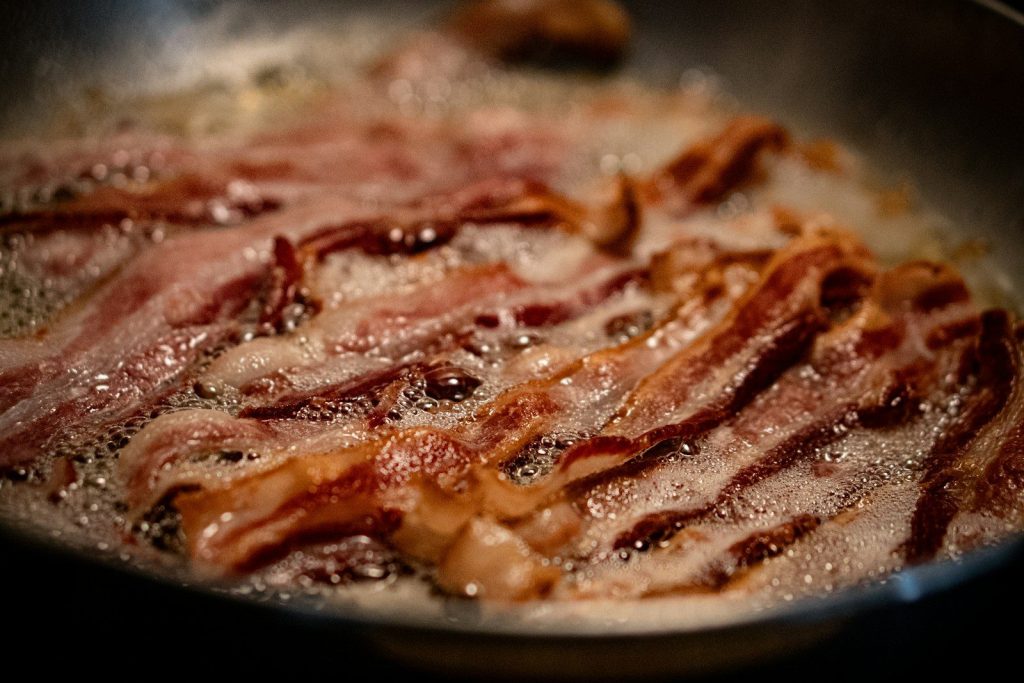
Previous generations rarely let flavorful cooking fats go to waste.
A small amount of reserved bacon fat was often used to add richness when frying potatoes, vegetables, or cornbread.
4. Coat Foods In Seasoned Flour Instead Of Plain Flour
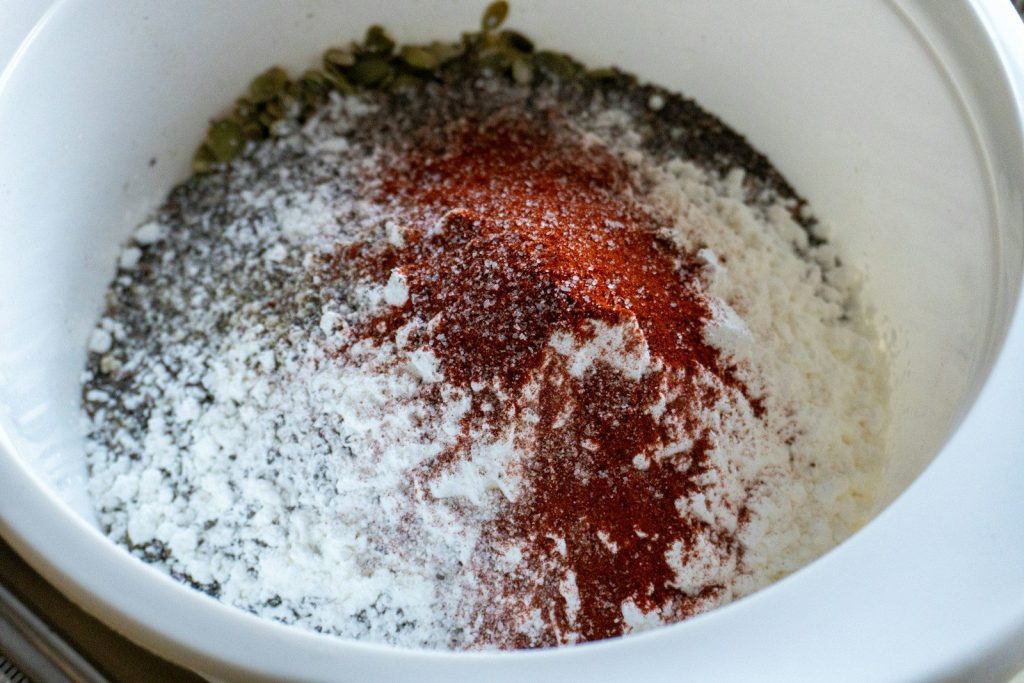
Many old family recipes called for seasoning the flour itself.
Adding salt, pepper, paprika, or other spices directly to the coating helped create more flavor in every bite.
5. Let Coated Foods Rest Before Frying
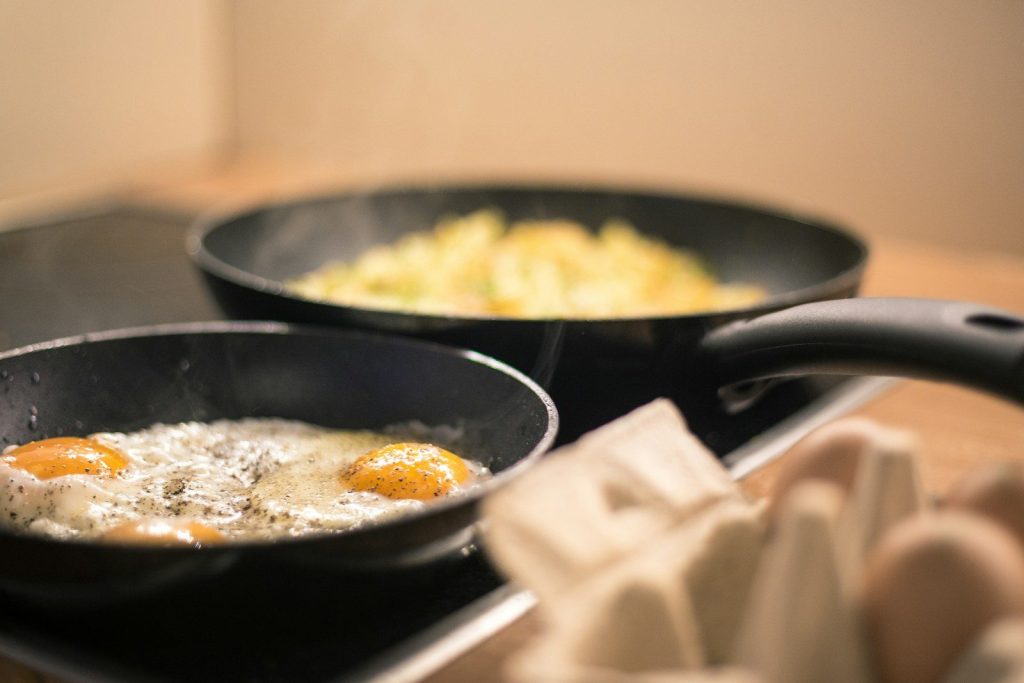
After breading meat or vegetables, many cooks allowed them to sit briefly before going into the pan.
This helped the coating adhere more effectively during cooking.
6. Use Cast-Iron Pans Whenever Possible
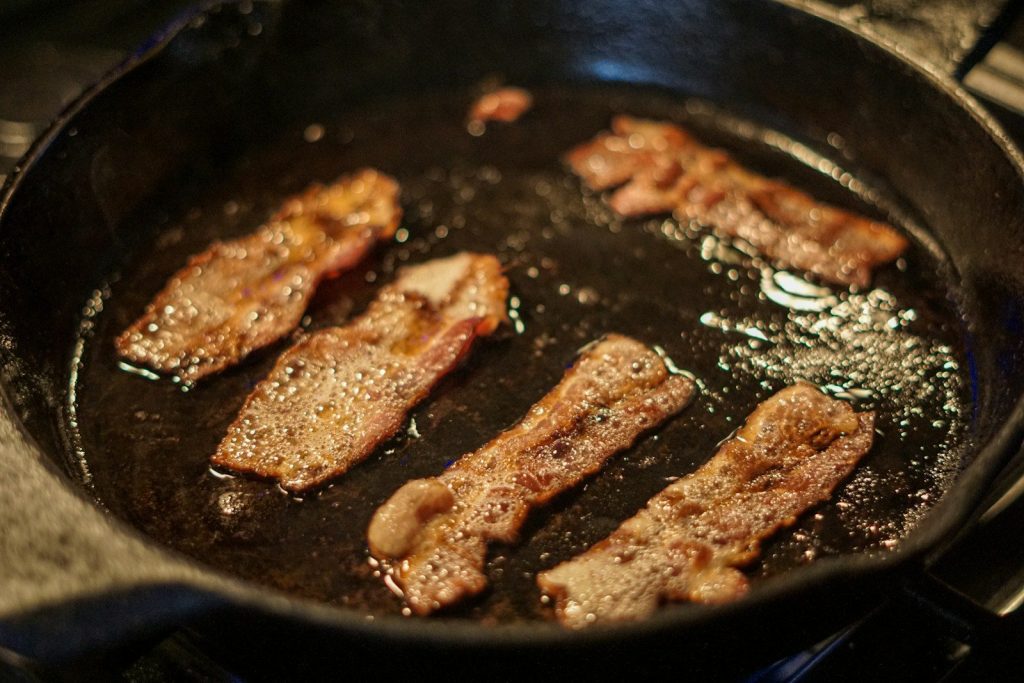
Cast iron was a kitchen staple in many households.
Its ability to retain heat helped create more consistent frying temperatures and evenly browned food.
7. Avoid Overcrowding The Pan
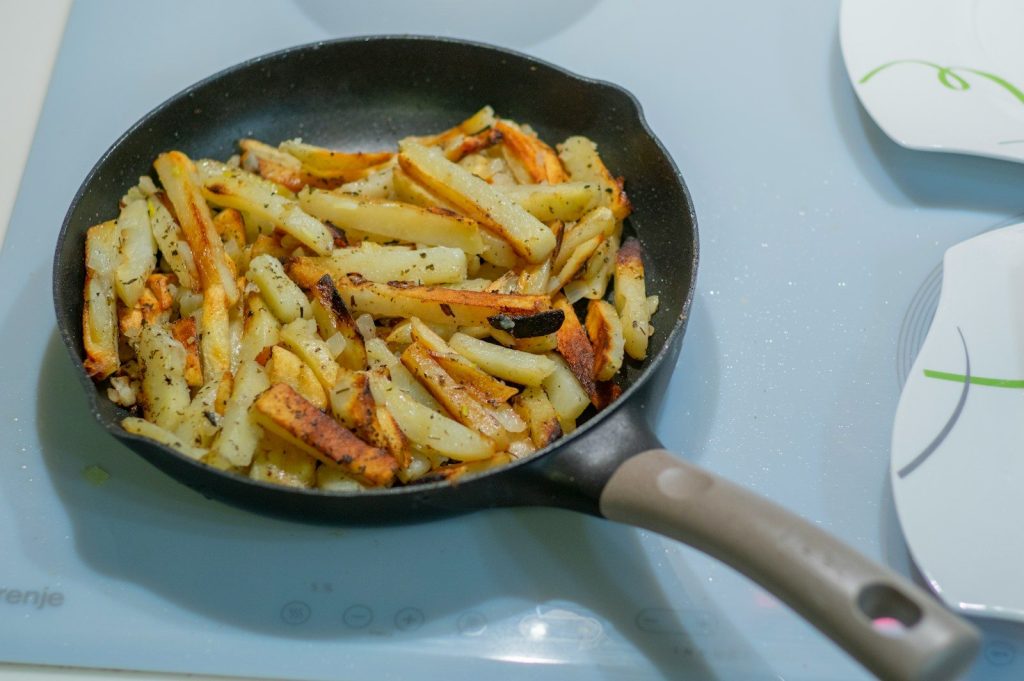
Grandparents understood that too much food at once could lower oil temperature.
Frying in smaller batches often resulted in a crispier texture and more even cooking.
8. Drain Fried Foods On A Wire Rack
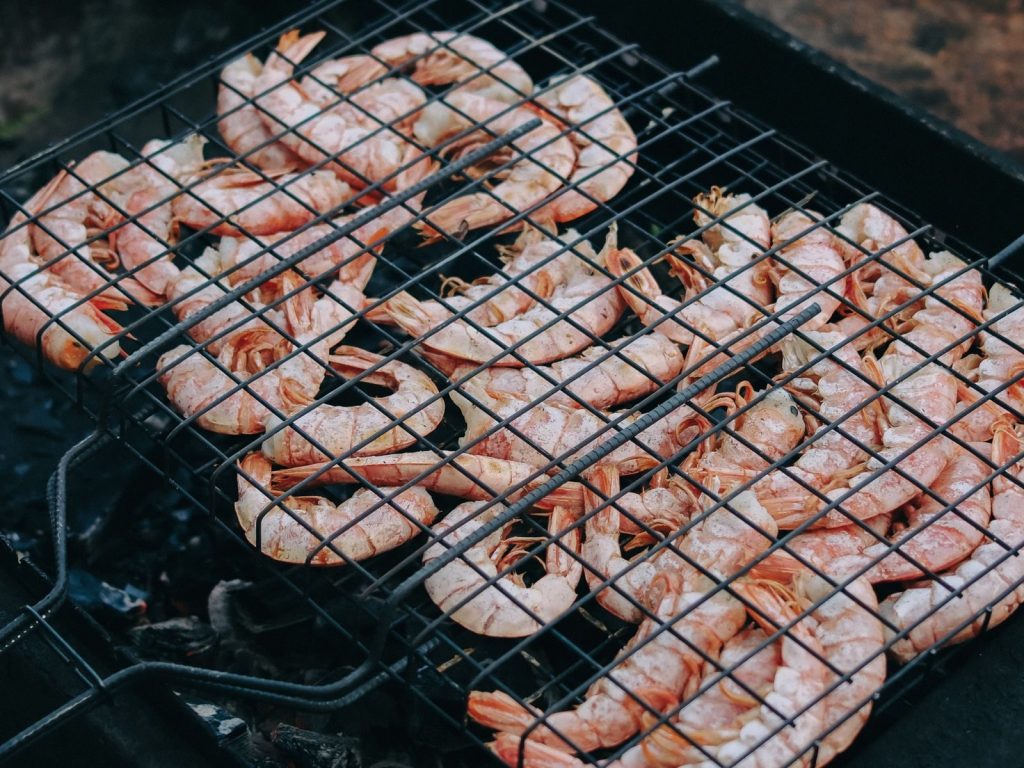
Many experienced home cooks preferred wire racks over stacking food directly on paper towels.
The airflow helped preserve crispness while excess oil drained away.
9. Add A Pinch Of Cornstarch To The Coating
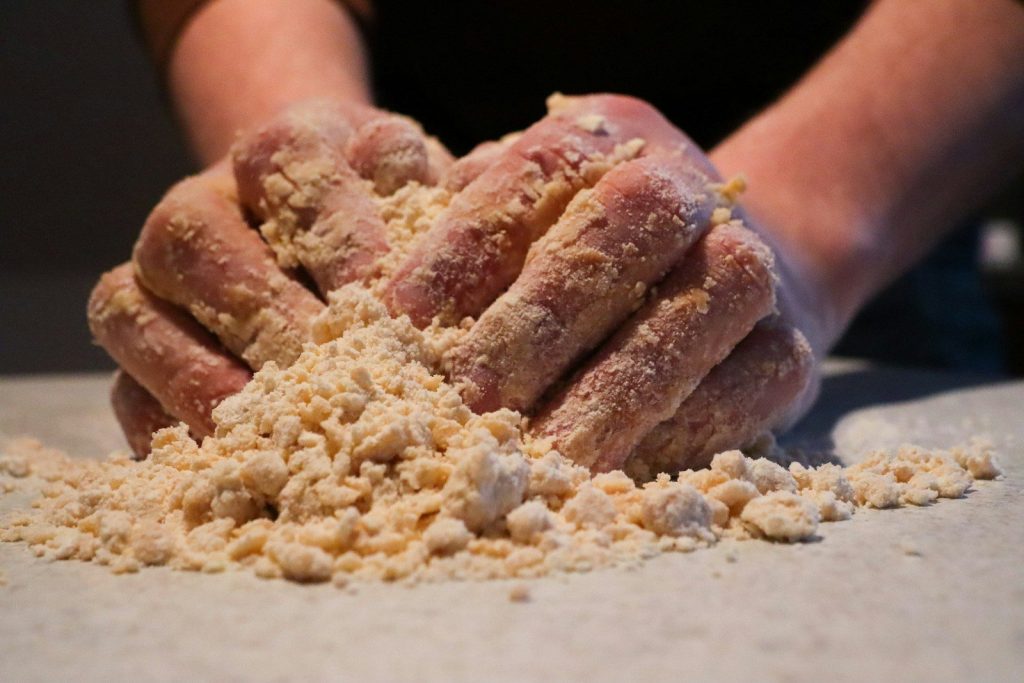
A small amount of cornstarch mixed into flour was a common trick for creating a lighter, crispier finish.
This simple hack remains popular among many cooks today.
10. Season Immediately After Frying
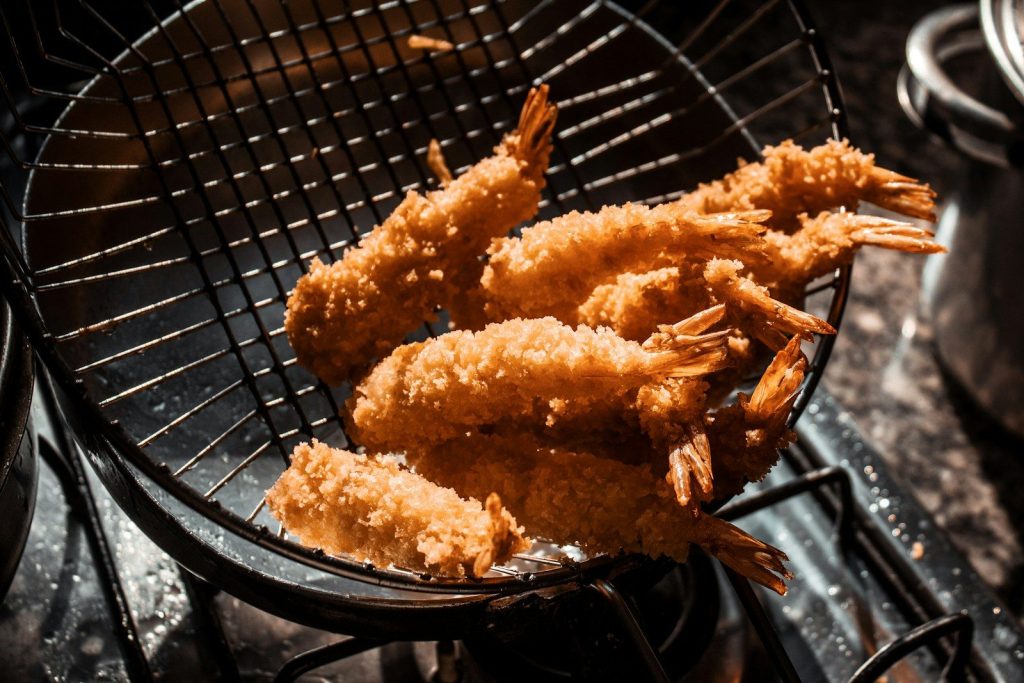
Hot food absorbs seasoning more effectively than cooled food.
Many grandparents sprinkled salt and seasonings on fried foods as soon as they left the pan for maximum flavor.
Old Kitchen Wisdom Still Has Value
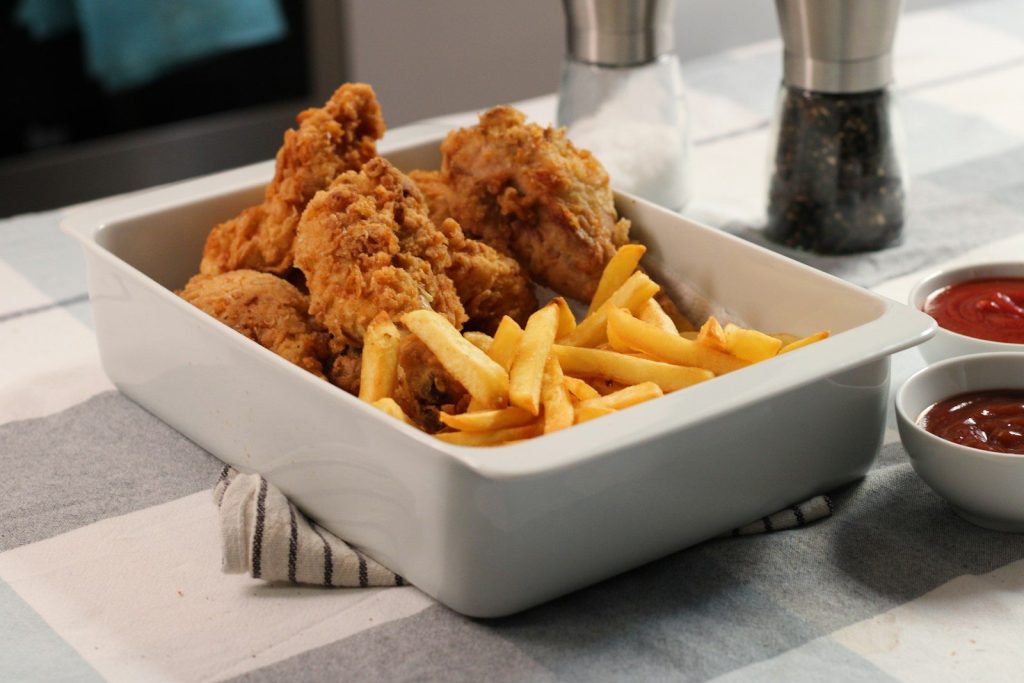
While cooking methods have evolved over the years, many traditional frying techniques remain surprisingly useful. These forgotten hacks helped generations of home cooks create flavorful meals with simple tools and ingredients, proving that good kitchen advice rarely goes out of style.