

Bananas aren’t just a snack; they’re a nutritional tool. Their colour indicates changes in sugars, fibre, antioxidants, and digestibility. Choosing the right ripeness can optimize energy, gut health, and antioxidant intake
Green Bananas Prebiotic Power
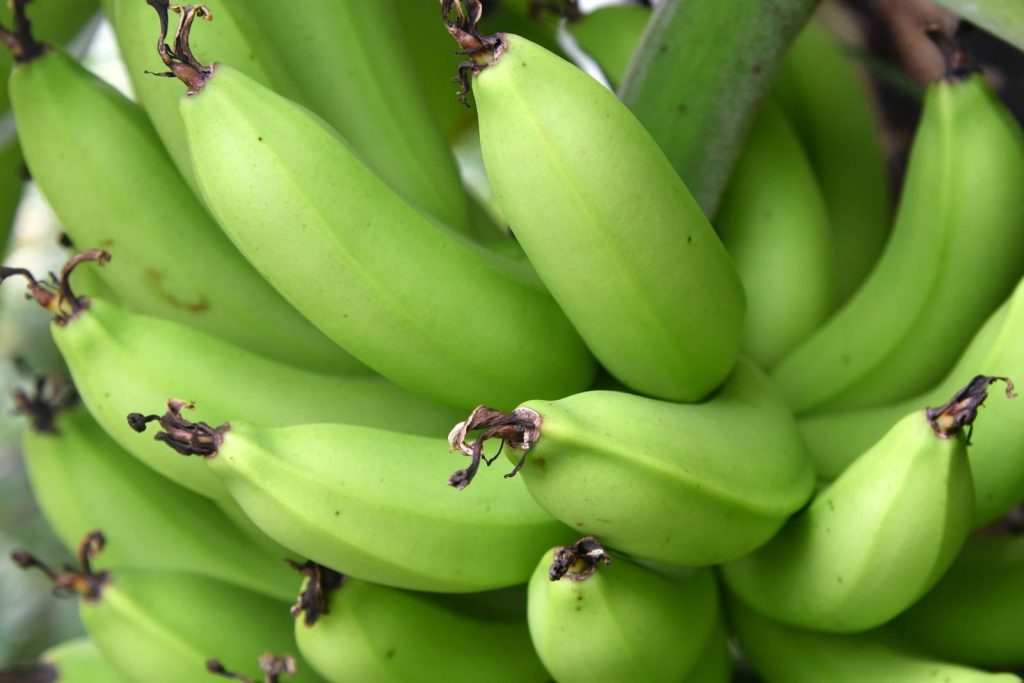
High in resistant starch, green bananas support gut bacteria and help stabilise blood sugar. Blend into smoothies or bake for a fibre-rich snack
Green-to-Yellow Balanced Energy
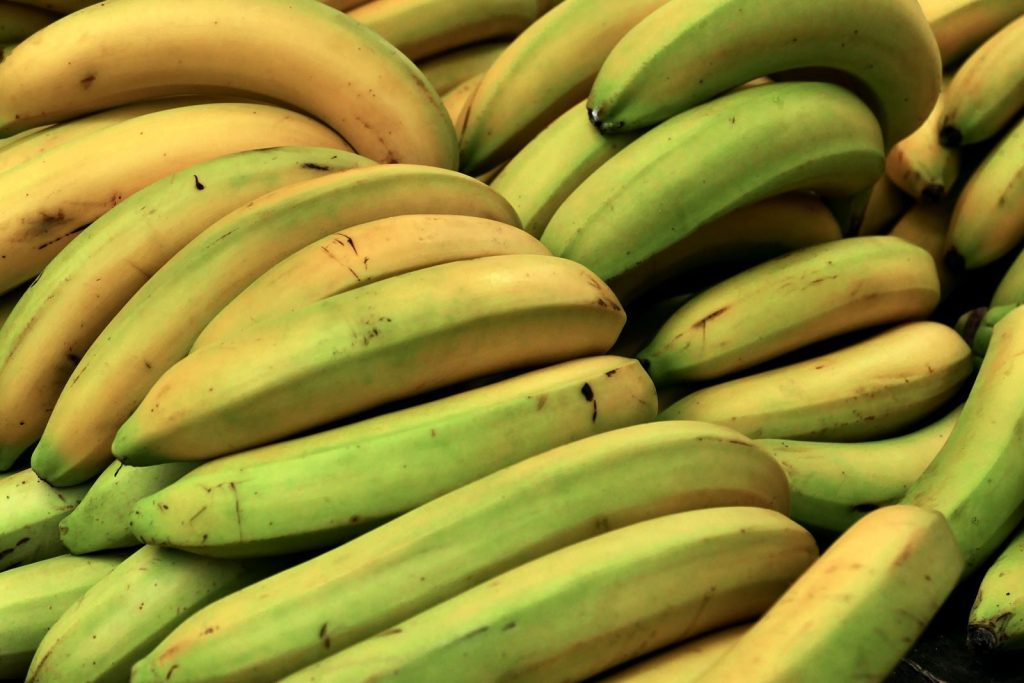
Slightly underripe bananas mix resistant starch with natural sugars, providing slow-release energy. Perfect for pre-workout fuel or a mid-morning snack
Fully Yellow Quick Energy
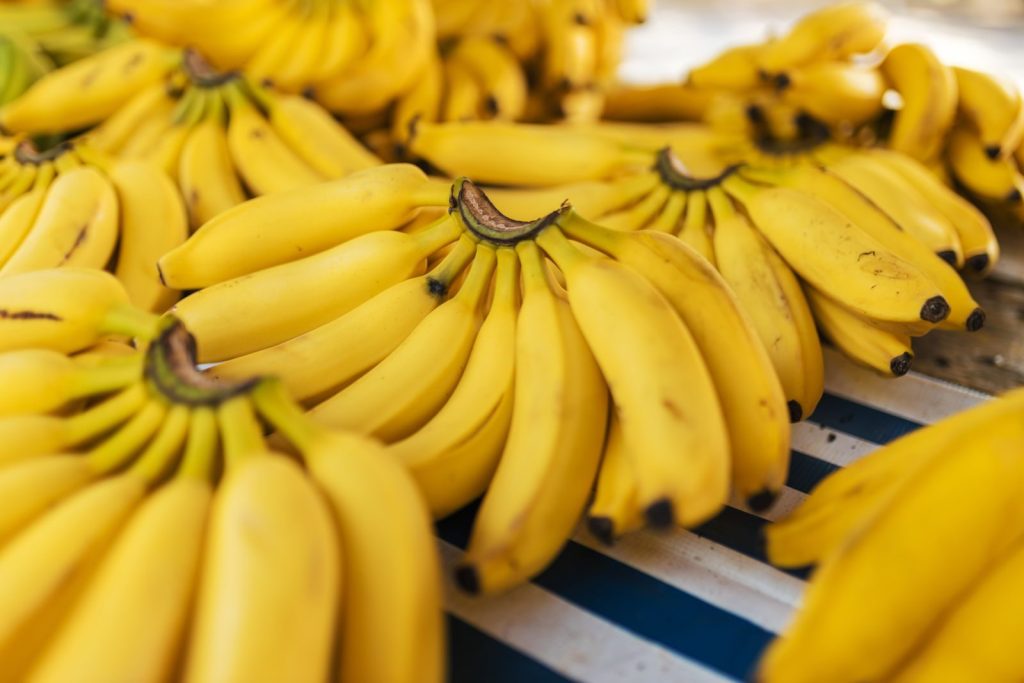
Bright yellow bananas are rich in simple sugars, ideal for fast energy or post-exercise recovery. Slice over yoghurt or cereal for a natural energy boost
Spotted Bananas Antioxidant Boost
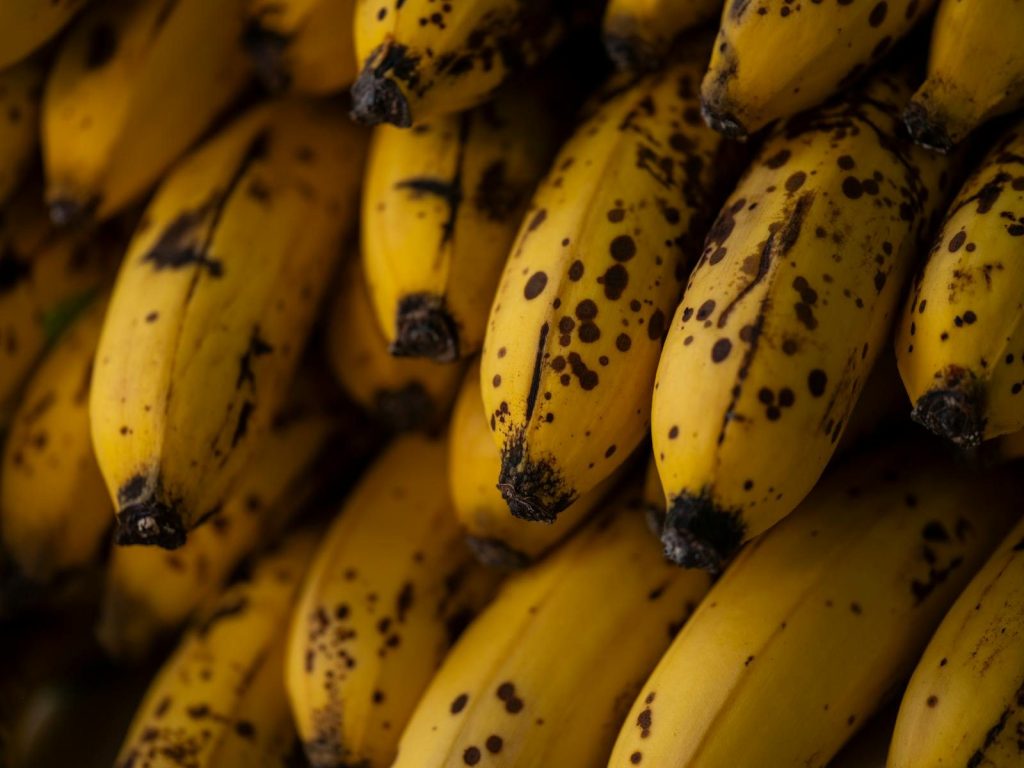
Brown speckles indicate higher antioxidants like dopamine and polyphenols. Use them in smoothies, oatmeal, or breakfast bowls to get natural sweetness plus oxidative support.
Avoid Bananas With Large Black Patches
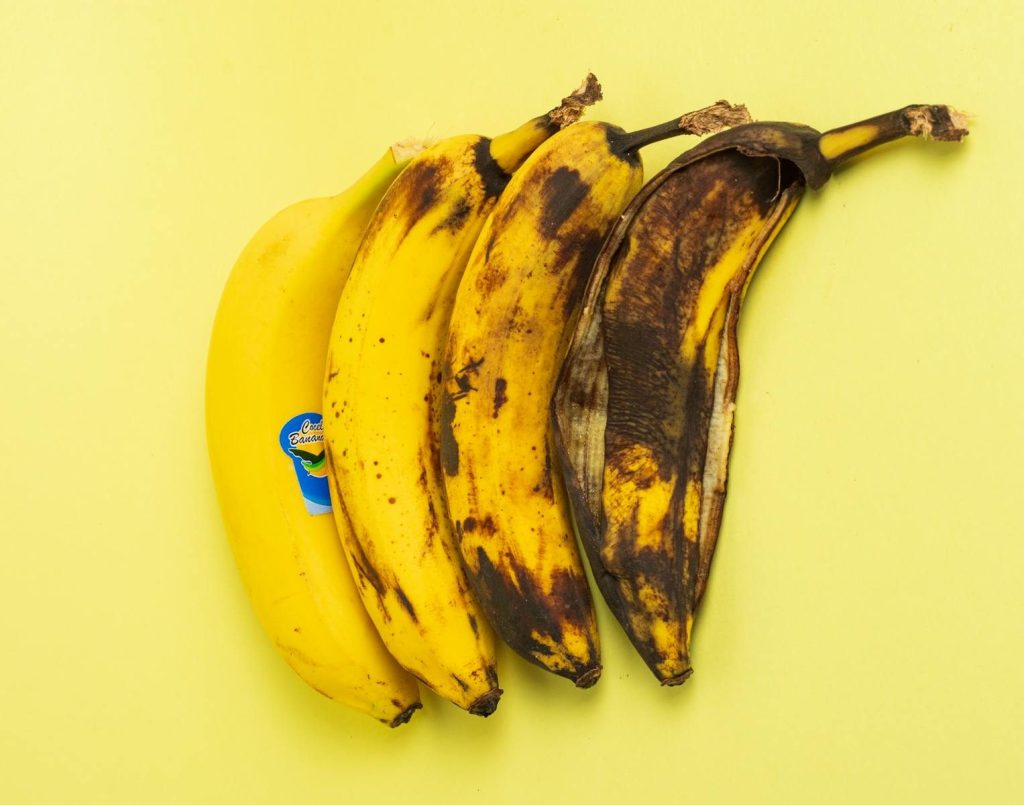
A few brown speckles are usually harmless, but bananas with large black patches, leaking flesh, or signs of mold should be discarded.
Once fruit becomes excessively damaged, its texture, flavor, and quality can decline significantly. Choosing bananas before they reach this stage helps ensure better taste and food safety.Frozen Bananas Convenient Treats
Frozen Bananas Convenient Treats

Freezing preserves nutrients and sweetness. Blend frozen bananas for ice creams, smoothies, or chilled snacks while keeping sugars slightly moderated
Mix Ripeness Levels Maximize Benefits
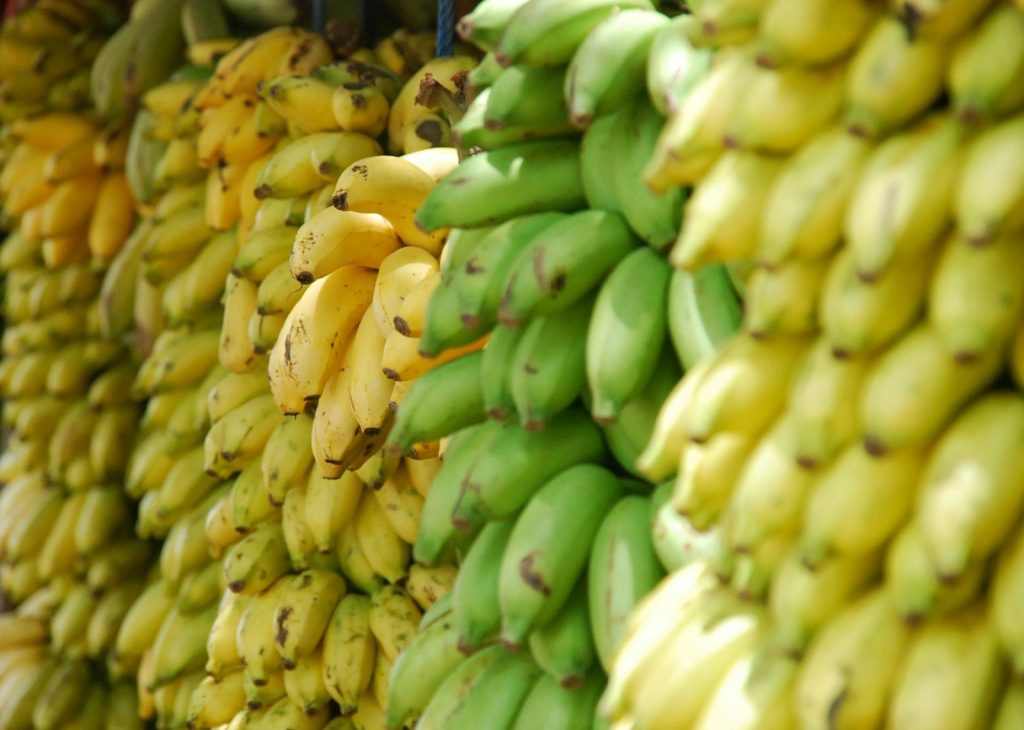
Combining green, yellow, and spotted bananas in one meal or smoothie delivers fiber, antioxidants, and energy all at once. Variety improves both taste and nutrition
Banana color isn’t just aesthetic. Choosing the right stage allows you to target gut health, energy needs, antioxidant intake, and ease of digestion. Use these hacks to make every banana work harder for your health