

Fresh fruits and vegetables deserve a place on your plate, but a few simple shopping and prep tricks can help you lower pesticide exposure without making grocery trips stressful. The goal is not to fear produce but to shop a little smarter.
Some fruits and vegetables naturally hold onto more residue than others because of their thin skins or growing conditions. These practical hacks make it easier to enjoy every bite with more confidence.
Know Which Produce Deserves Extra Attention
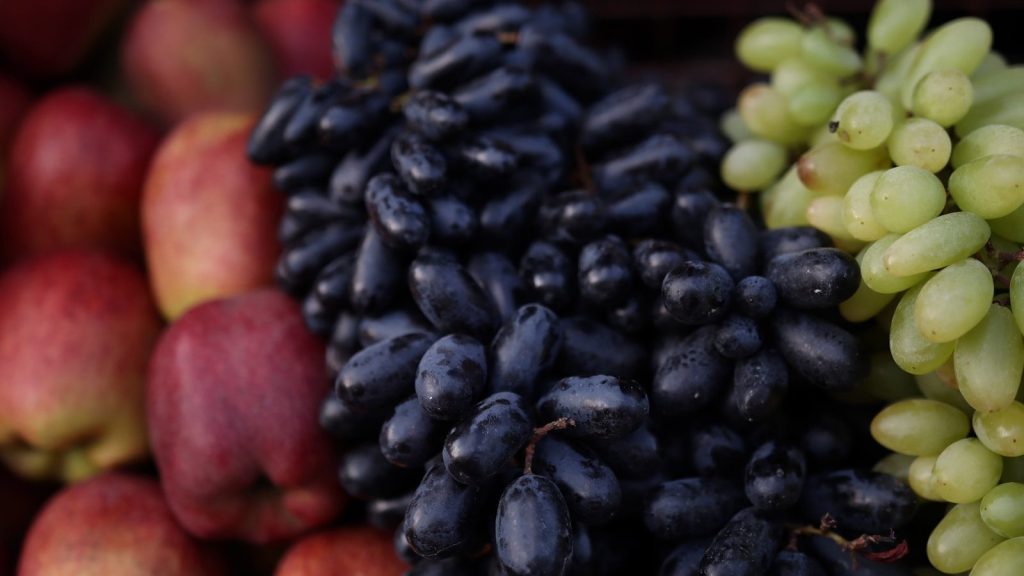
Some produce benefits more from extra care before eating. Spinach, strawberries, grapes, apples, peaches, pears, blueberries, potatoes, cherries, nectarines, blackberries, kale, collard greens, and mustard greens often rank among the highest for pesticide residue.
That does not mean skipping these healthy foods. Instead, let the list guide where you spend a little more effort with washing, peeling, or choosing organic when your budget allows.
Save Organic Dollars for the Right Foods
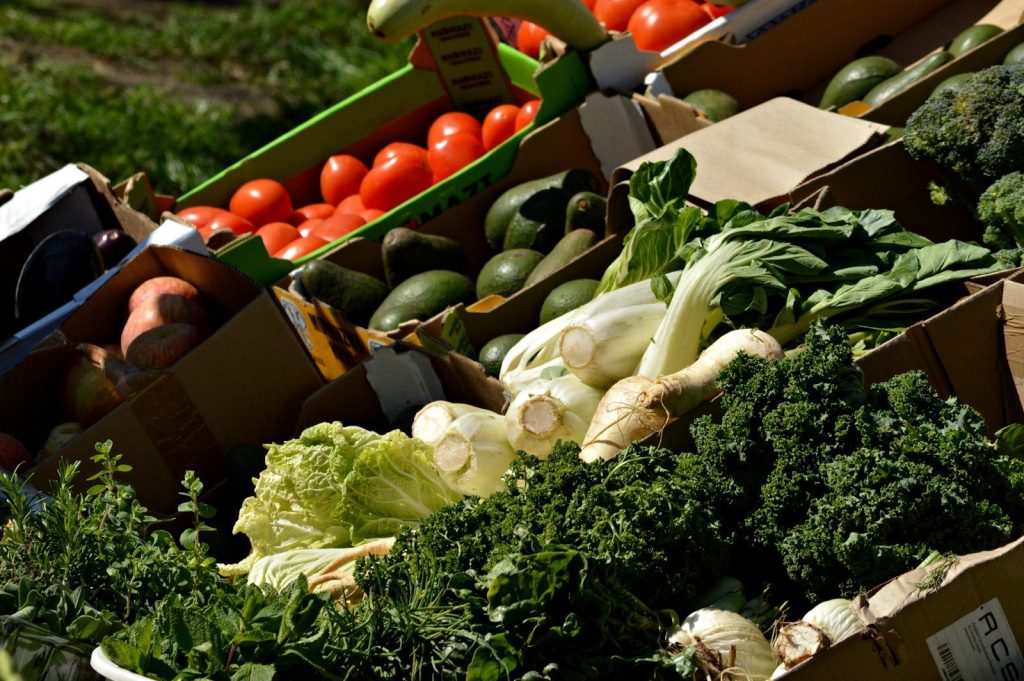
Buying everything organic can be expensive, so focus your budget where it matters most. Prioritize organic versions of produce that tends to carry more residue instead of replacing your entire shopping list.
This targeted approach stretches grocery dollars while helping reduce exposure. Even swapping just a few high priority items can make your shopping strategy feel more practical.
Peel When It Makes Sense
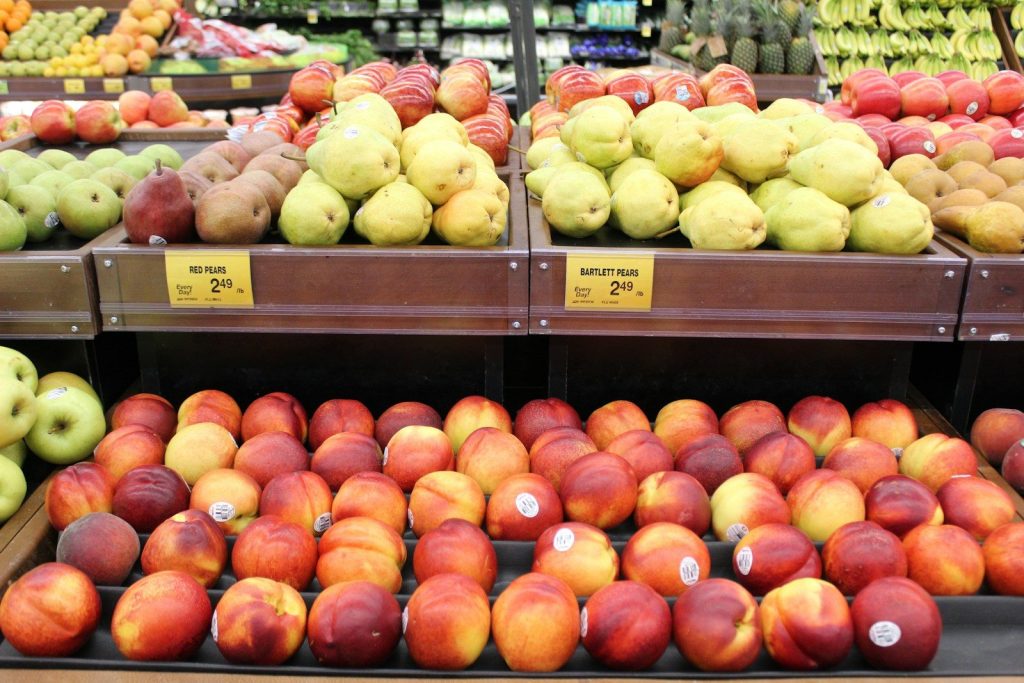
Some fruits and vegetables store more residue near the skin. Peeling potatoes, apples, pears, or peaches can reduce what remains on the outside before eating or cooking.
Keep in mind that peels also contain nutrients and fiber. Balance convenience with nutrition based on your recipe and personal preference.
Trim Away the Outer Layers
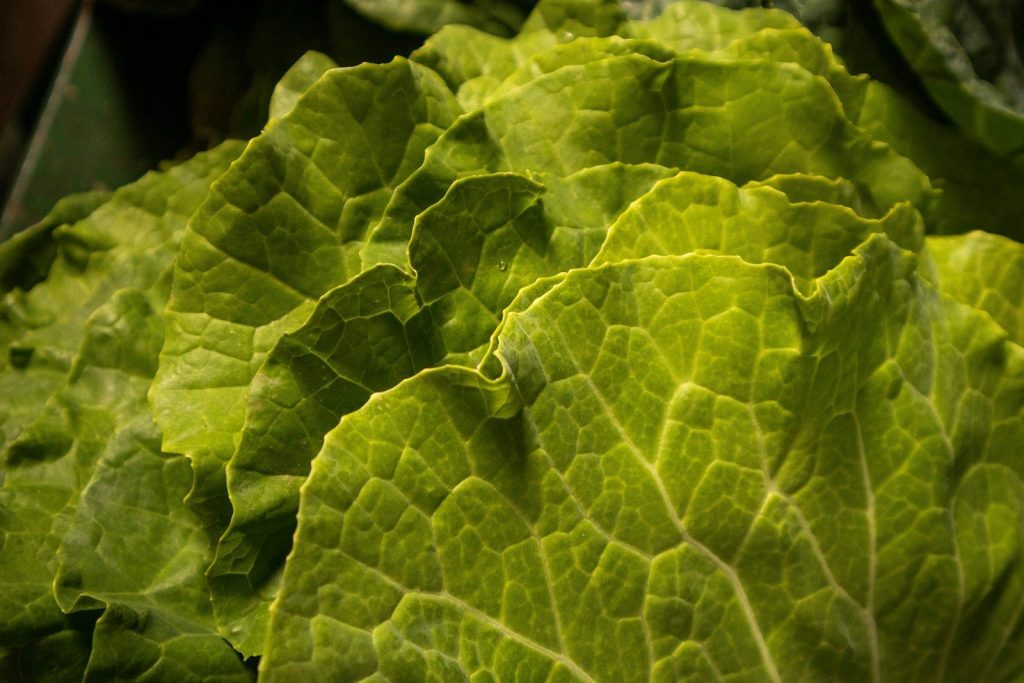
Leafy vegetables have a simple built in trick. Remove the outer leaves from lettuce, cabbage, kale, or similar greens before washing the rest of the bunch.
This takes only seconds and can help discard leaves that were most exposed during growing and handling before reaching your kitchen.
Let Cooking Do Part of the Work
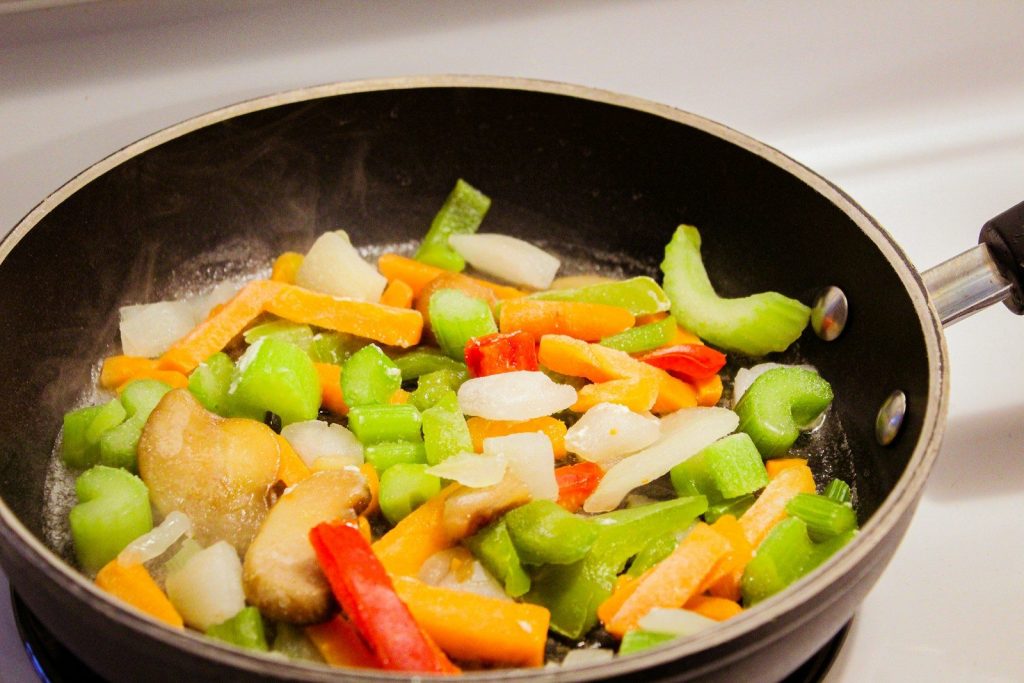
Some cooking methods can reduce surface residues even further. Boiling vegetables or gently cooking fruit into sauces or compotes may help lower what remains.
While heat can slightly reduce certain nutrients, mixing cooked and fresh produce throughout the week offers a balanced approach.
Mix High and Low Residue Choices
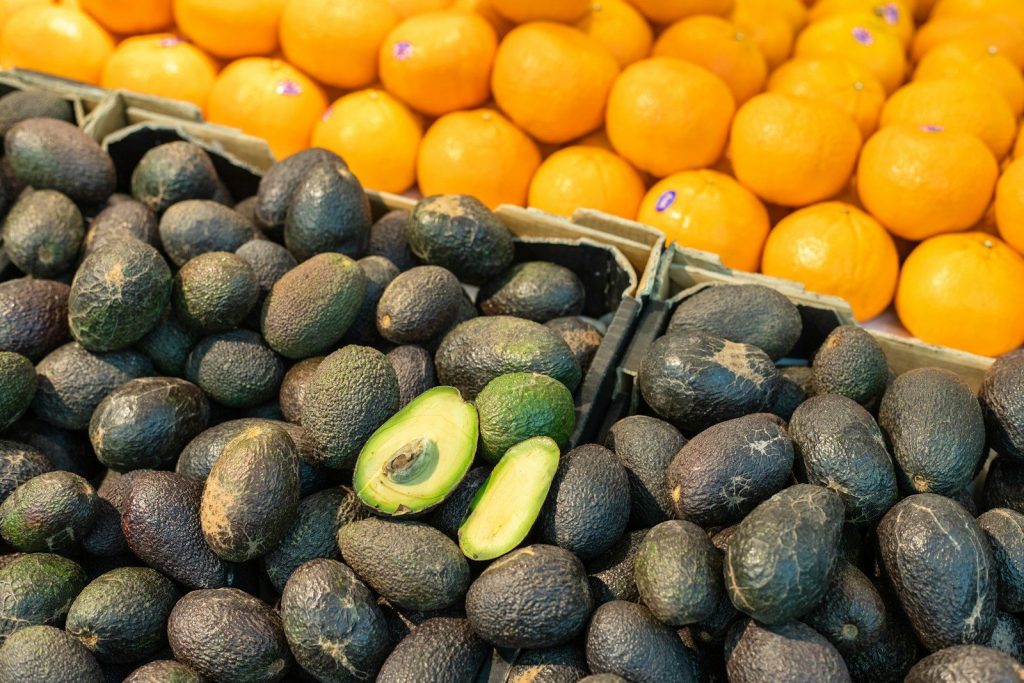
You do not have to avoid favorite fruits or vegetables. Pair higher residue produce with items that consistently test lower, such as avocados, pineapple, onions, cabbage, cauliflower, bananas, or asparagus.
Rotating your choices creates more variety while naturally spreading out potential exposure without changing your eating habits dramatically.
Think Beyond the Fresh Produce Shelf
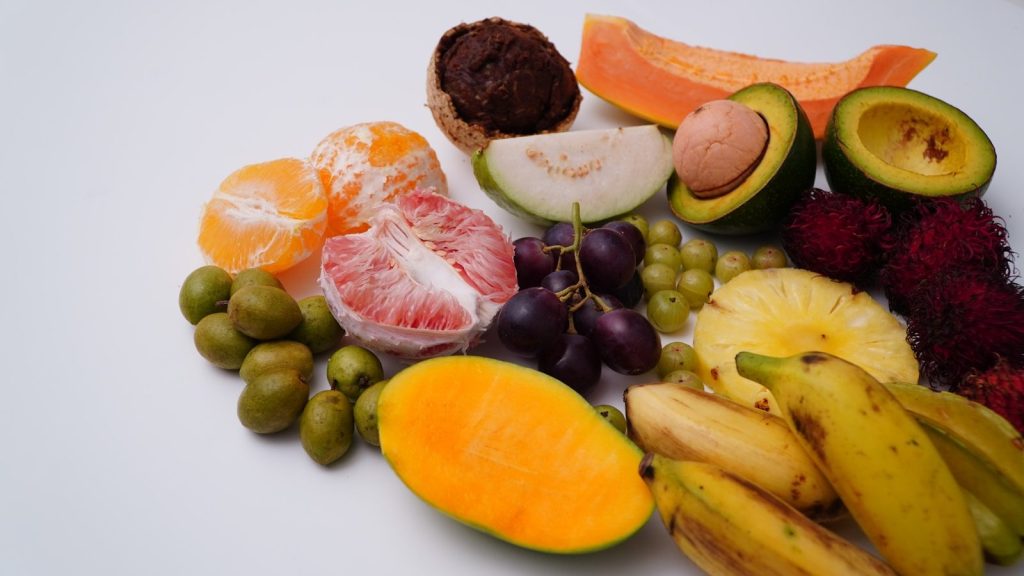
Fresh is not the only smart option. Frozen organic fruits and vegetables can offer convenience, longer storage, and competitive prices throughout the year.
Keeping a few frozen favorites on hand makes healthy meals easier while giving you another flexible way to shop wisely when fresh organic choices cost more.
Featured Image: By Matheus Cenali on Unsplash