

Every evening seems to bring the same question and somehow it always arrives when everyone is tired and hungry. That daily scramble can drain energy before cooking even begins, making takeout feel like the easiest answer.
A few small planning tricks can completely change that routine. These practical hacks help cut decision fatigue, save money, and make weeknight dinners feel surprisingly effortless without turning meal planning into another chore.
Build a Simple Weekly Game Plan

Start with just a few planned dinners instead of mapping every meal. Picking three or four recipes creates structure without making the week feel too rigid.
This small habit also makes grocery shopping faster because every purchase has a purpose. Less guessing often means less waste and fewer expensive impulse buys.
Let the Grocery Store Inspire You

Skip searching endless recipes before shopping. Walk through seasonal produce and weekly specials first, then build meals around what looks fresh and affordable.
This approach keeps menus flexible while stretching the grocery budget. Fresh seasonal ingredients also tend to stay usable longer in the refrigerator.
Keep Your Dinner Plan Visible
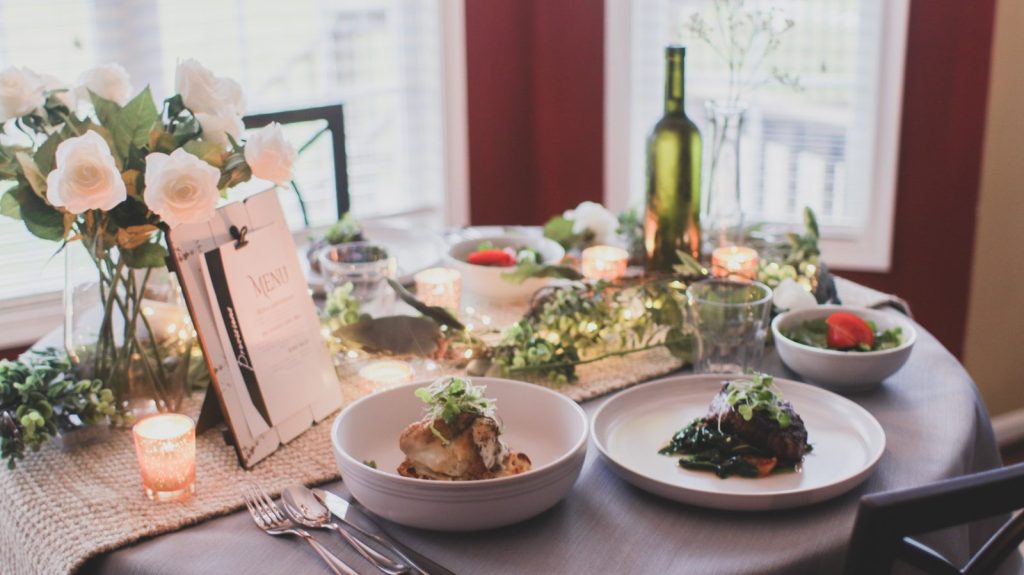
A forgotten meal plan cannot help anyone. Write the week’s dinners on a whiteboard, notepad, or refrigerator calendar where everyone can see it.
That quick reminder removes the nightly debate and helps everyone know what is coming without asking the same question every afternoon.
Create Reliable Go To Meals
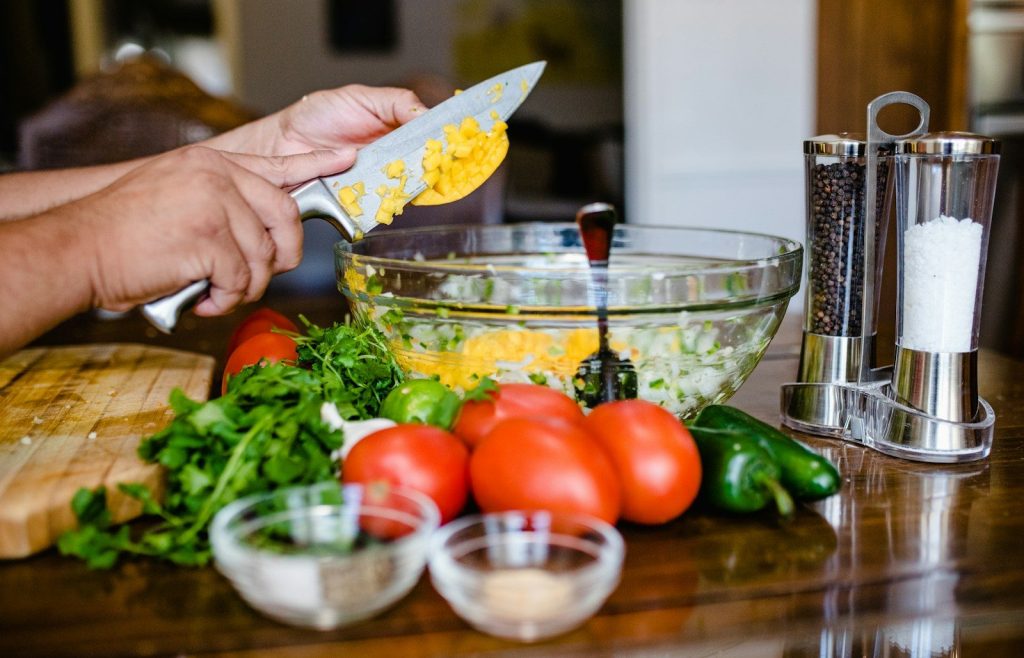
Choose one or two dinners that always work when life gets busy. Think hearty salads, grain bowls, tacos, or pasta using ingredients you already keep stocked.
These dependable favorites remove pressure while still feeling satisfying. Having familiar backups prevents last minute panic when schedules suddenly change.
Cook Once and Stretch It Further

Prepare proteins or roasted vegetables in larger batches early in the week. Those same ingredients can appear in wraps, salads, bowls, or sandwiches later.
Planning leftovers before cooking saves valuable time. Instead of feeling repetitive, each meal becomes a fresh combination with very little extra work.
Schedule a Night Without Cooking

Instead of waiting until everyone feels exhausted, choose one evening for restaurant dining or takeout before the week even begins.
Knowing a break is already planned removes guilt and eliminates last second debates about whether to cook or order food.
Start Smaller Than You Think

Trying to overhaul every dinner at once often backfires. Begin with one planning session and only a handful of meals until the habit feels natural.
Small wins build confidence quickly. Over time, dinner becomes another simple routine instead of the most stressful decision of the day.
Turn Dinner Into an Easy Routine
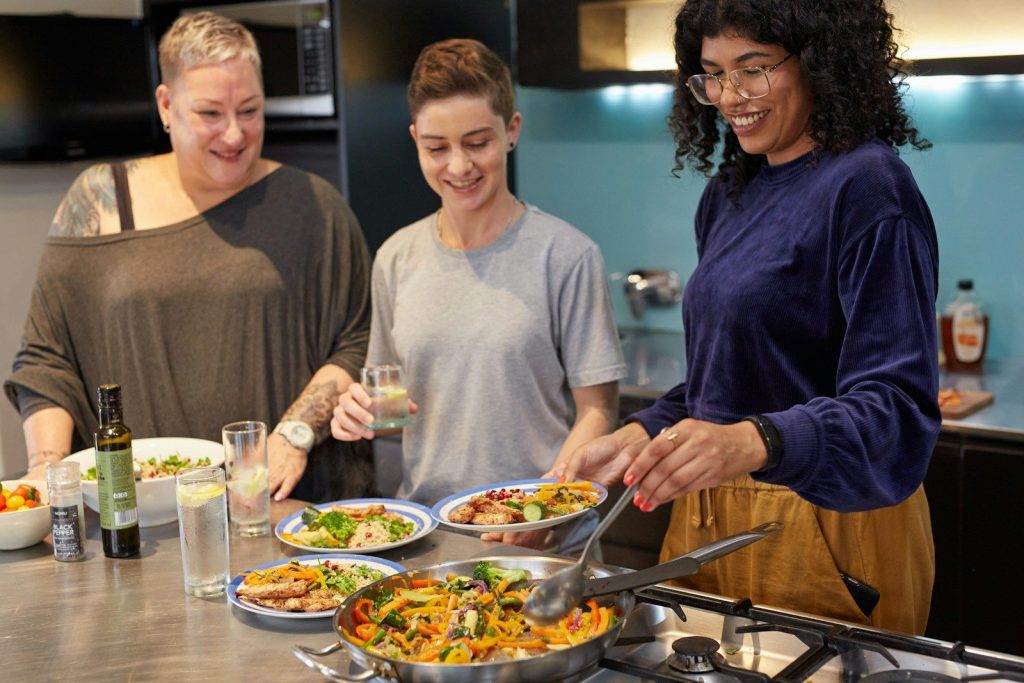
The biggest secret is not cooking more complicated meals. It is removing unnecessary choices before hunger and fatigue take over each evening.
When meals are planned, ingredients are ready, and expectations are clear, dinner feels less like a daily challenge and more like an automatic part of the day.
Featured Image: By Jennifer Kalenberg on Unsplash