

A Dutch oven can do far more than simmer soup. With a few smart habits, it becomes one of the hardest working tools in your kitchen, delivering richer flavors, easier cleanup, and meals that taste like they took far more effort than they actually did. These practical tricks are inspired by expert cooking advice.
Whether you cook every day or only on weekends, small changes can make a huge difference. These easy hacks help you protect your cookware while getting better results from every recipe without adding extra work.
Let Slow Cooking Do the Heavy Lifting
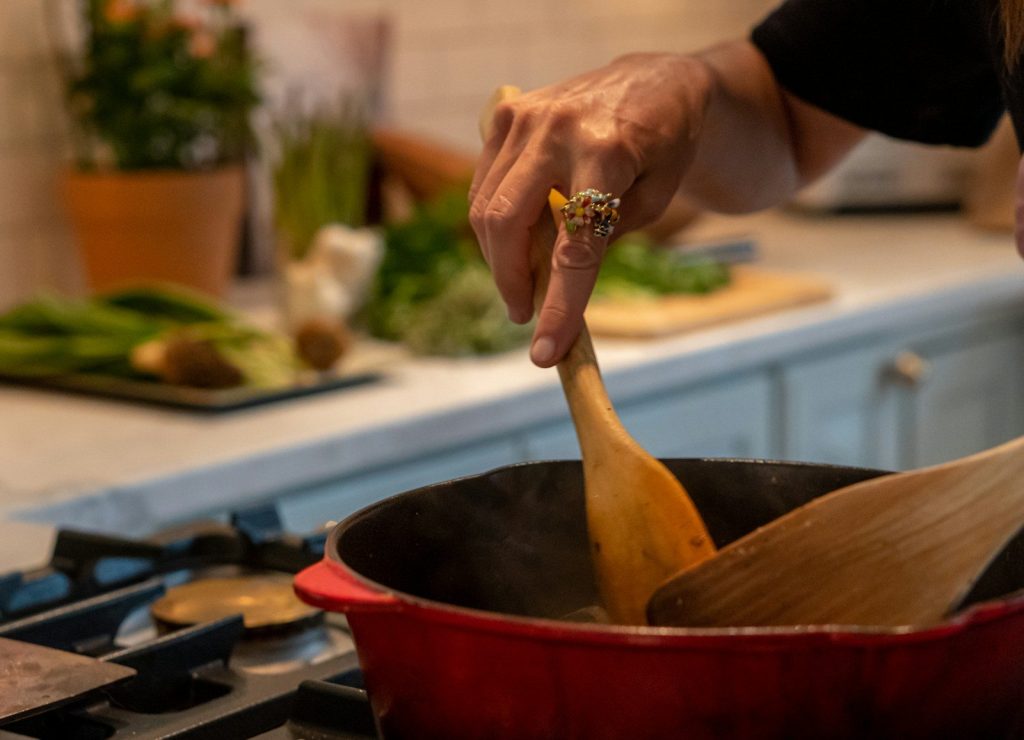
The biggest secret is patience. Gentle heat gives meat time to soften while locking moisture inside, creating dishes that taste richer with very little hands on effort.
Keep the lid closed as much as possible. Every peek lets heat and steam escape, making food take longer while reducing the tenderness you were hoping to achieve.
Build Flavor Before Adding Liquid
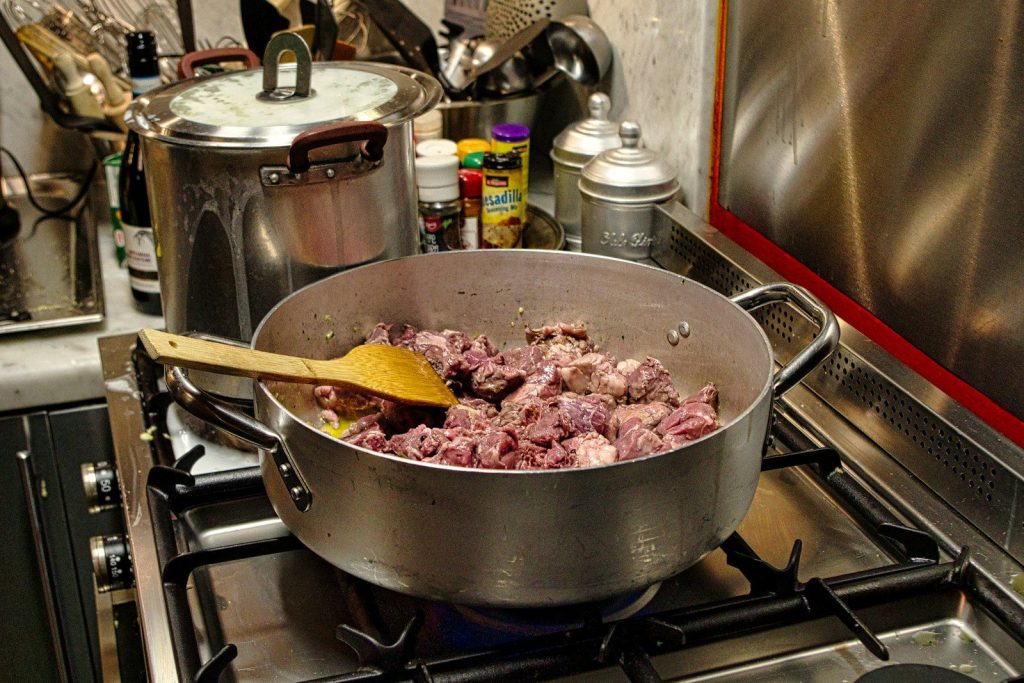
Instead of tossing everything into the pot, cook vegetables first and brown your meat until it develops deep color. Those simple steps create layers of flavor that cannot be added later.
Once the ingredients have browned, add broth or sauce to lift the tasty bits from the bottom. That hidden layer brings extra richness to soups, stews, and braised meals.
Skip the Highest Heat Setting
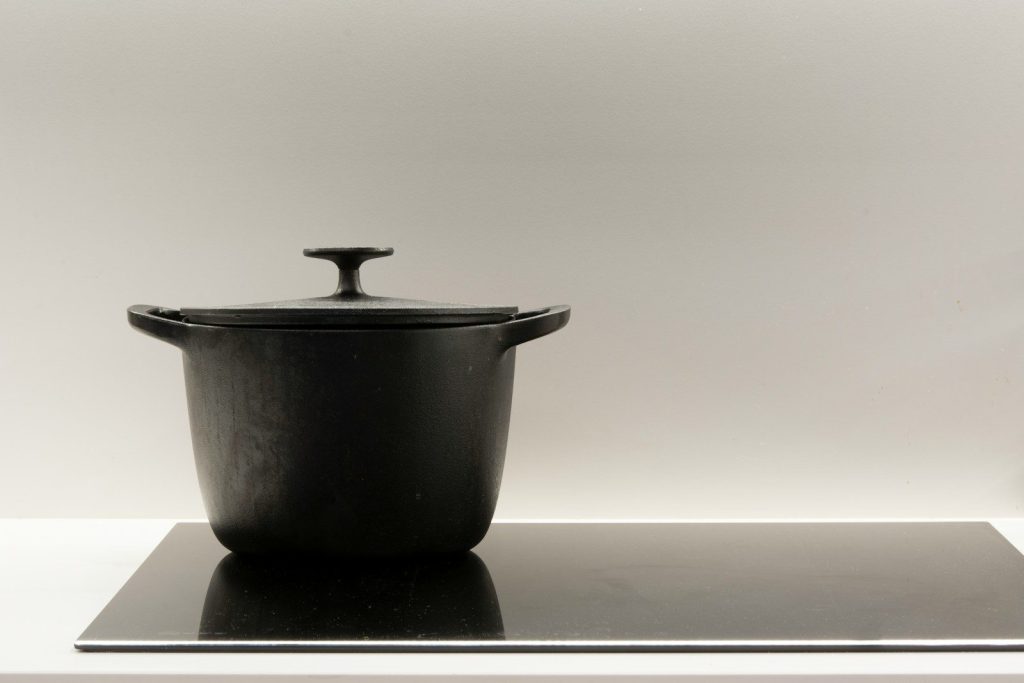
A Dutch oven holds heat so well that blasting it on high usually is not necessary. Medium or low heat often produces better food while protecting the cookware.
Too much heat for long periods can dull enamel finishes or damage seasoned cast iron. Let the pot work with steady heat instead of extreme temperatures.
Avoid Temperature Shock
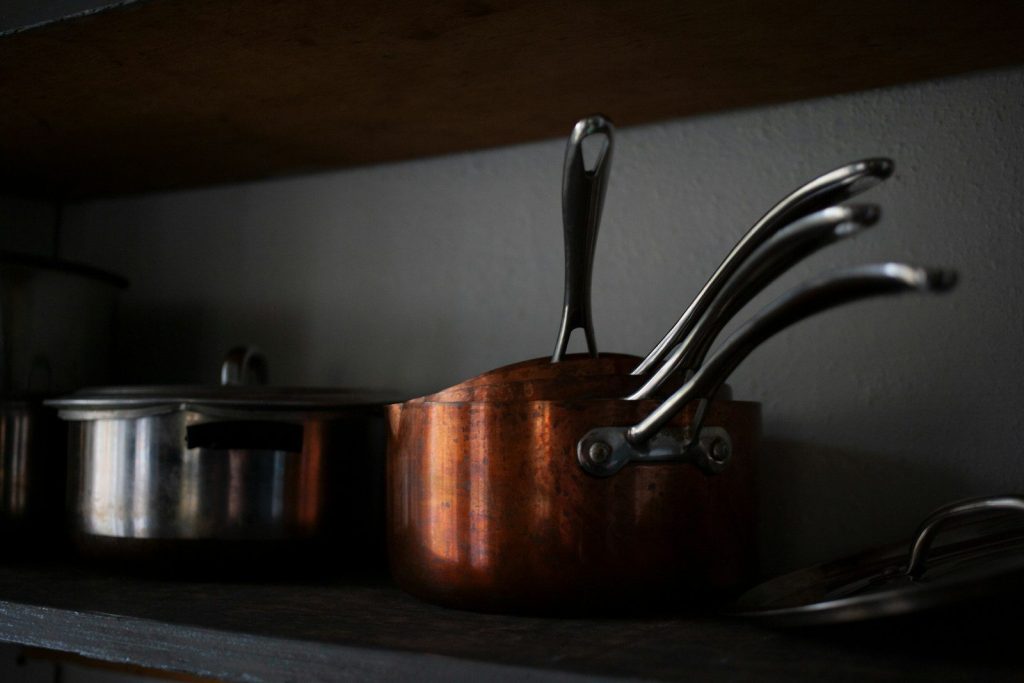
Moving a blazing hot pot onto a cold surface or rinsing it with cold water can stress the material and increase the chance of cracks over time.
Allow the pot to cool naturally before cleaning. This simple habit helps preserve the finish and keeps your favorite cookware looking great for years.
Give the Bottom a Protective Start
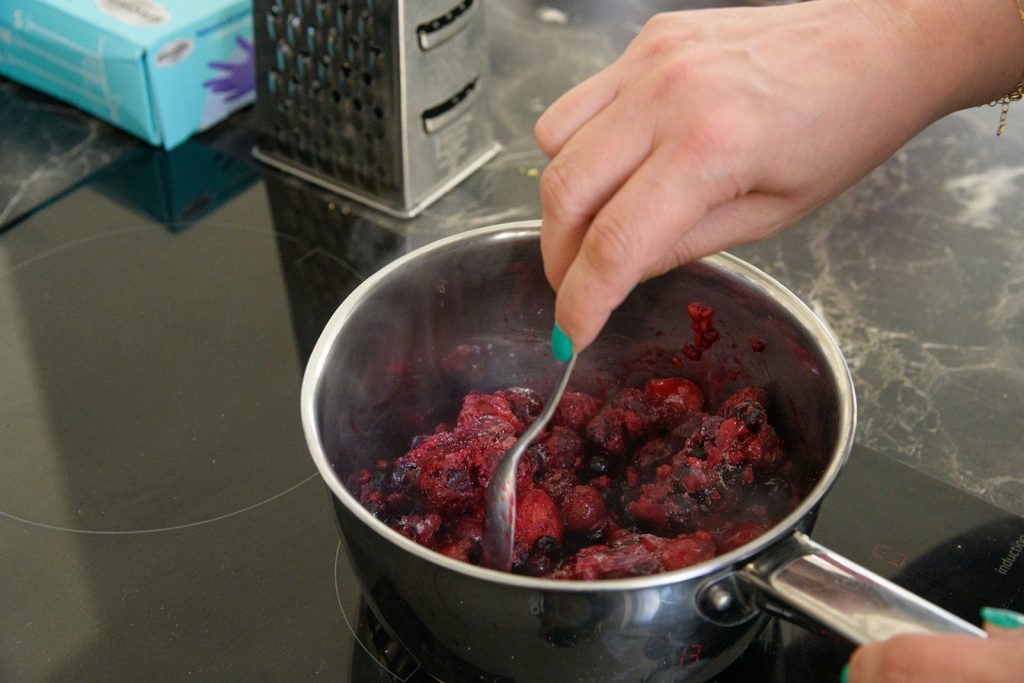
Never preheat an empty enamel coated Dutch oven. Add a little oil, butter, or another cooking fat before turning on the burner.
That thin layer protects the surface while reducing sticking. It also makes cleanup easier after sauces, vegetables, or meats finish cooking.
Treat the Finish Like Nonstick
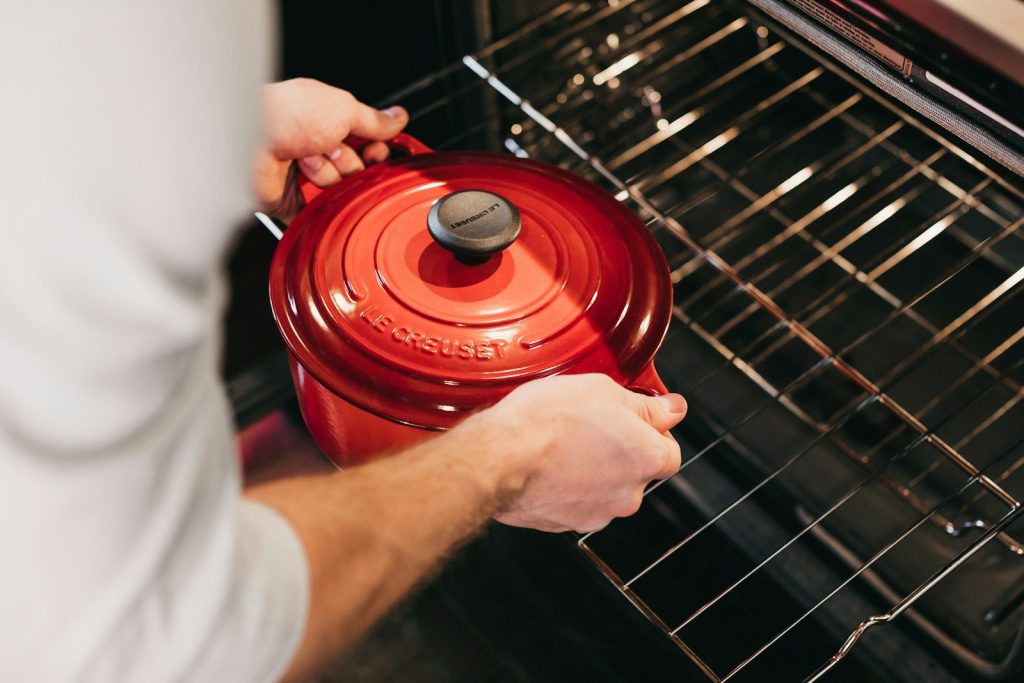
Metal utensils can leave scratches that shorten the life of enamel coated cookware. Wooden or silicone tools keep the cooking surface looking smooth.
A little extra care during cooking saves plenty of frustration later. Gentle utensils also help preserve the polished appearance that makes Dutch ovens popular.
Match the Pot to the Recipe
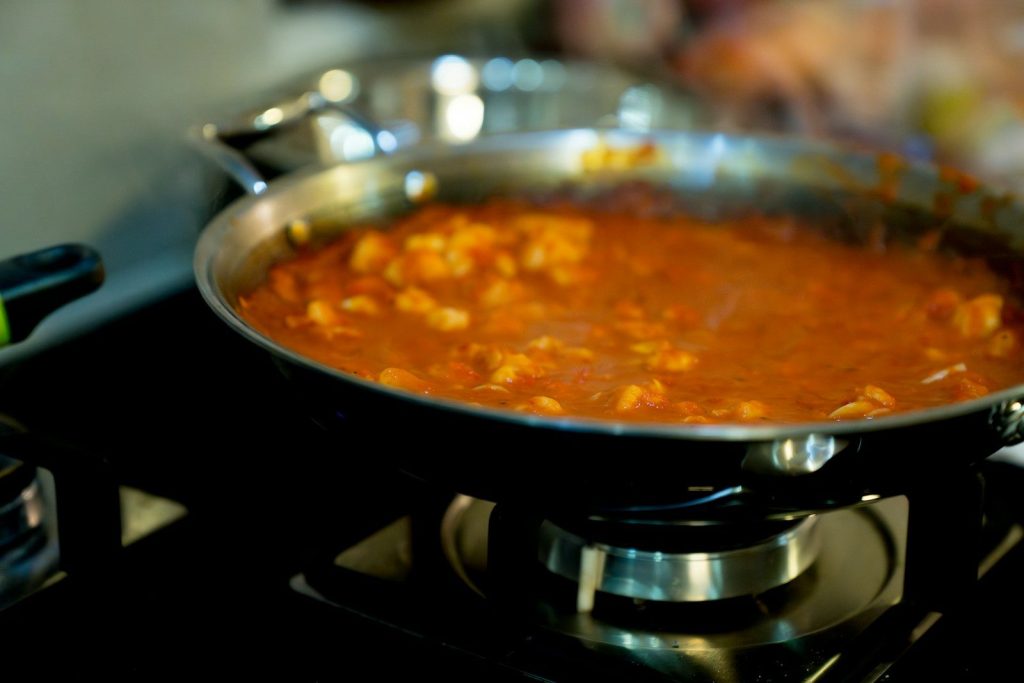
Long simmering tomato sauces work best in enamel coated models because acidic ingredients are less likely to affect the cooking surface.
If you use traditional seasoned cast iron, avoid letting acidic foods cook for extended periods. Choosing the right pot helps maintain both flavor and durability.
Finish Strong With Simple Care
Hand washing and drying the pot completely after every meal prevents stains, rust, and unnecessary wear. A few extra minutes now can add years to its lifespan.
Check that knobs and handles are rated for oven temperatures before baking. That quick inspection helps prevent surprises while giving you confidence to tackle bigger recipes.
Featured Image: By Becca Tapert on Unsplash