

Hot nights can make even the softest bed feel uncomfortable, but a few clever changes can transform the way your room handles heat. Small adjustments often work better than expensive upgrades when your goal is falling asleep faster and waking up refreshed.
Instead of battling rising temperatures every evening, try practical tricks that help your bedroom stay naturally cooler. These easy ideas focus on airflow, fabrics, and timing, giving you simple ways to create a more comfortable sleep space.
Let Fresh Air Do the Heavy Lifting
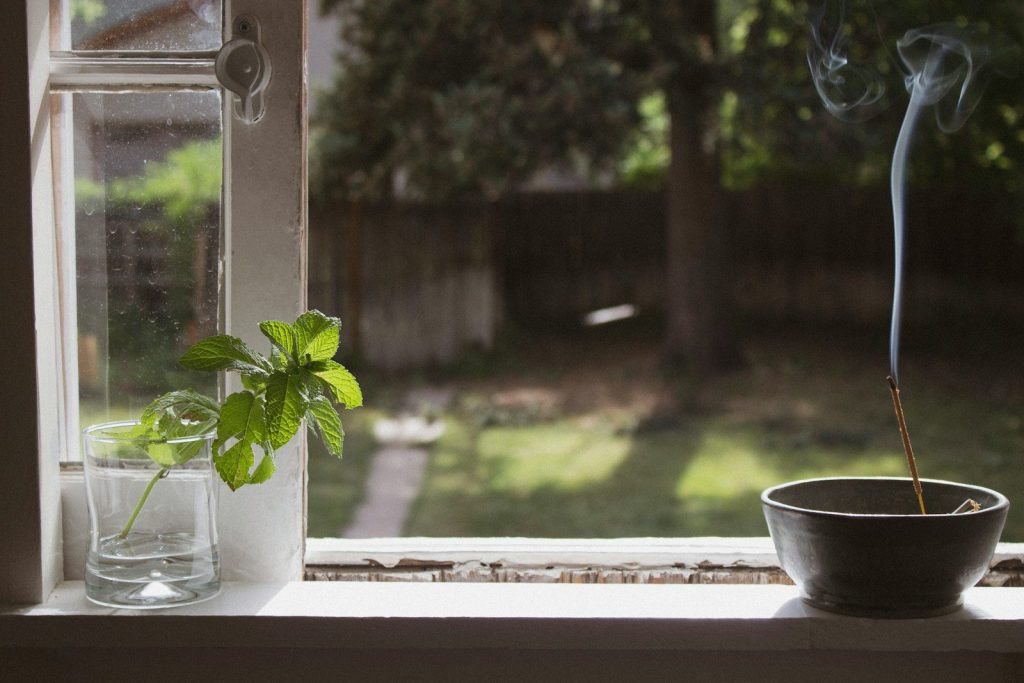
Open windows when outdoor temperatures begin dropping after sunset. Creating a gentle cross breeze helps push trapped warm air outside while drawing in cooler evening air without relying entirely on air conditioning.
If security or noise limits open windows, crack them slightly and use interior doors to improve circulation. Even a modest airflow can make the room feel noticeably more comfortable before bedtime.
Use Your Fan More Strategically
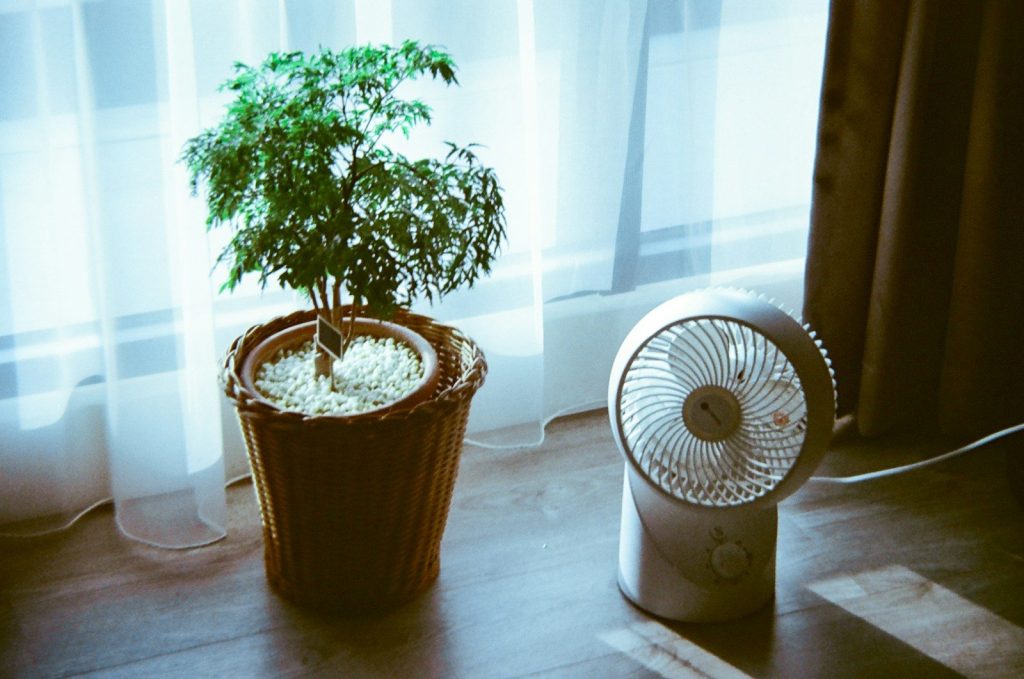
A fan works best when it moves cool air where you need it instead of simply spinning warm air around the room. Point it toward sleeping areas or place it near an open window to encourage better air exchange.
For an extra cooling boost, position a bowl of ice or frozen water bottles in front of the fan. The passing air feels cooler for a short period, making it easier to settle into sleep.
Swap Heavy Bedding Before Summer Peaks

Thick comforters often trap body heat long after temperatures rise. Switching to breathable cotton or lightweight linen bedding allows heat to escape instead of building beneath the covers overnight.
Layering lighter blankets also gives you more control. Remove or add a layer as temperatures change rather than struggling with one bulky blanket that feels too warm.
Pick Sleepwear That Breathes

Your pajamas matter almost as much as your sheets. Loose clothing made from cotton, bamboo, or moisture wicking fabrics helps sweat evaporate instead of remaining against your skin.
Avoid heavy fleece or synthetic materials during warm weather. Breathable fabrics help your body regulate temperature naturally, making restless nights less likely.
Keep Daytime Heat Outside
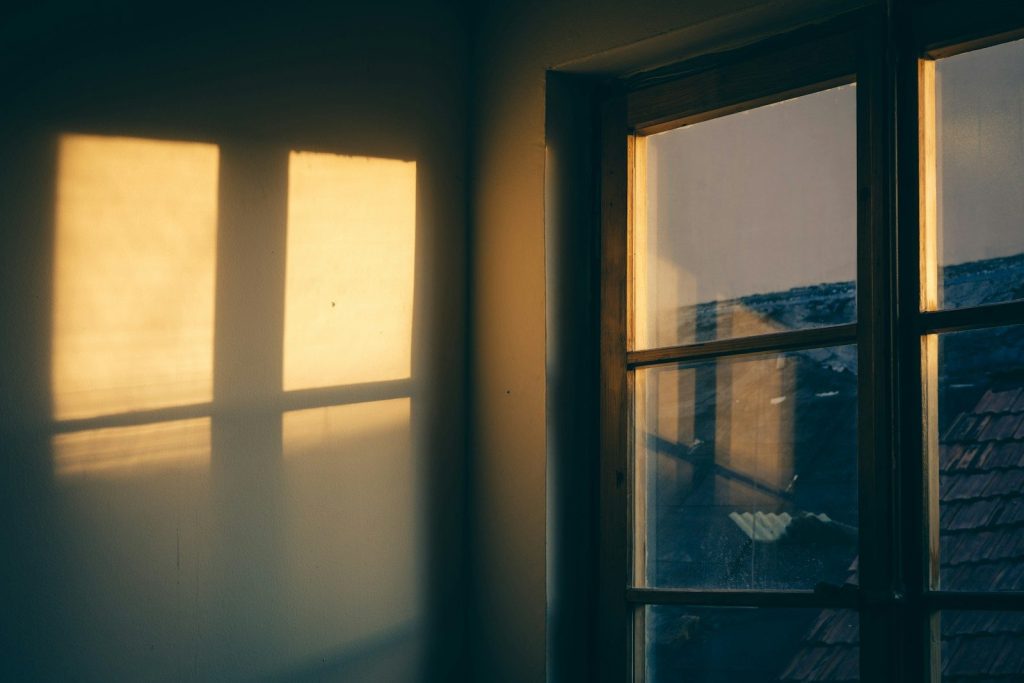
Sunlight streaming through windows gradually turns bedrooms into heat traps. Closing blinds, curtains, or shades before the hottest part of the day blocks much of that unwanted warmth.
Blackout curtains can be especially helpful in rooms with direct afternoon sun. Preventing heat from entering is often easier than trying to remove it later.
Cut Down Hidden Heat Sources

Many electronics continue producing warmth even when they seem idle. Turning off televisions, gaming systems, and unnecessary lights before bed reduces extra heat inside the room.
Charging devices somewhere outside the bedroom can also help. These small heat sources add up over several hours, especially in compact sleeping spaces.
Time Your Routine Around Cooler Hours

Activities like hot showers, baking, or vigorous exercise close to bedtime can leave both you and your room feeling warmer. Shift those routines earlier whenever possible to avoid carrying extra heat into the night.
If you enjoy showering before bed, try lukewarm rather than steaming hot water. It leaves you feeling refreshed without raising your body temperature.
Make Every Night Feel More Comfortable

Sometimes lasting comfort comes from combining several small tricks instead of relying on one dramatic solution. Better airflow, lighter bedding, breathable clothing, and thoughtful timing work together to create a cooler sleeping environment.
Experiment with different combinations until your room feels right for your climate and home. A handful of simple habits can make warm nights far easier to handle without major expense.
Featured Image: By Ty Carlson on Unsplash