

Most plumbing emergencies do not start with a dramatic burst pipe. They usually begin with small habits that seem harmless until they create costly problems down the road.
Professional plumbers spend their careers fixing preventable mistakes, which means they know exactly what habits are worth avoiding. These practical plumbing hacks can help protect your home, reduce repair bills, and keep everything flowing smoothly.
Treat Drains Like Filters, Not Trash Cans
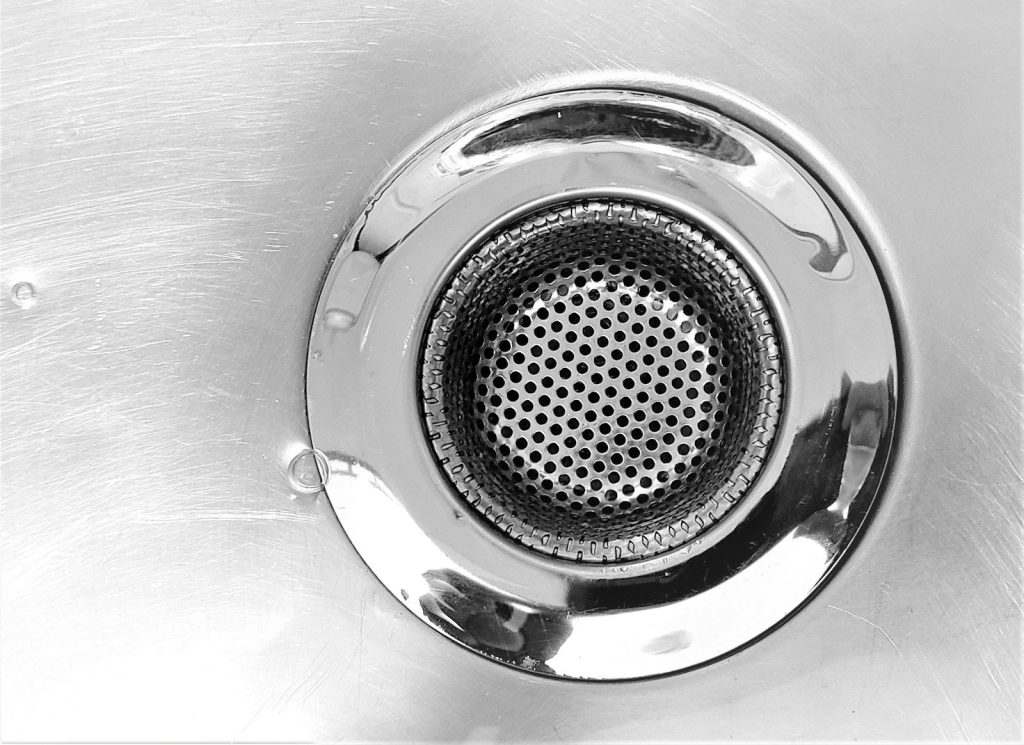
Many people assume drains can handle anything small enough to fit through the opening. In reality, buildup often begins with materials that seem harmless at first.
Use drain strainers wherever possible and remove debris before it enters the pipes. This simple habit can prevent many common clogs from developing.
Keep Grease Far Away From the Sink
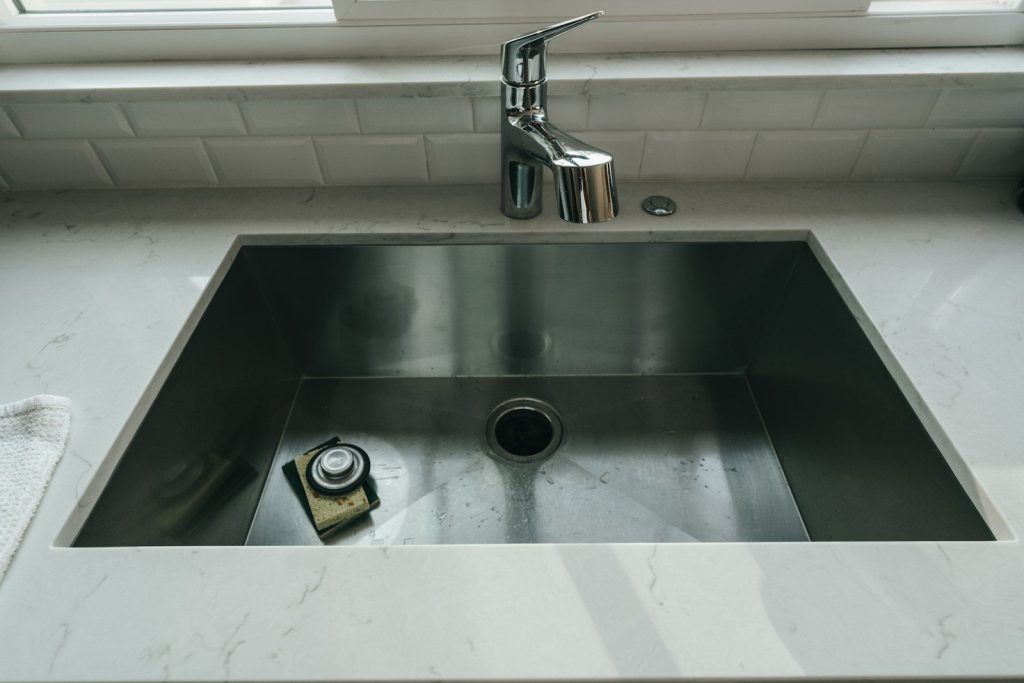
Hot grease may look harmless while it is liquid, but it often solidifies as it cools. That buildup can gradually restrict water flow inside pipes.
Instead of rinsing it away, allow grease to cool and dispose of it properly. This small change can save significant plumbing headaches later.
Pay Attention to Slow Drains Early
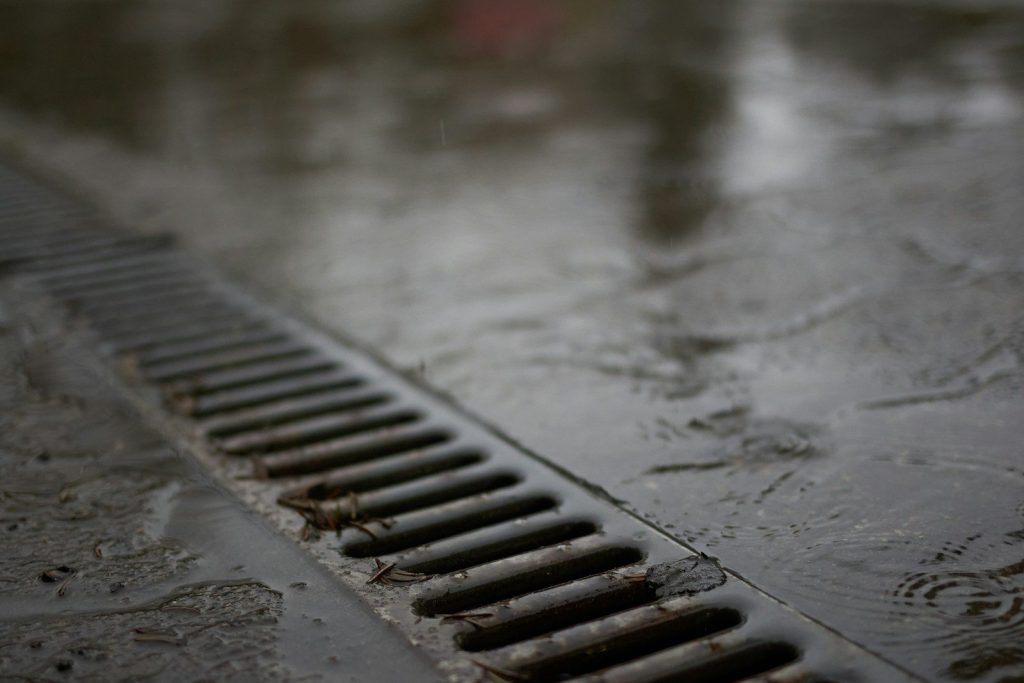
A slow drain is often an early warning rather than a minor inconvenience. Ignoring it gives blockages more time to grow and become difficult to remove.
Address sluggish drainage as soon as you notice it. Small interventions are usually easier and less expensive than major repairs.
Learn Where Your Main Water Shut-Off Is
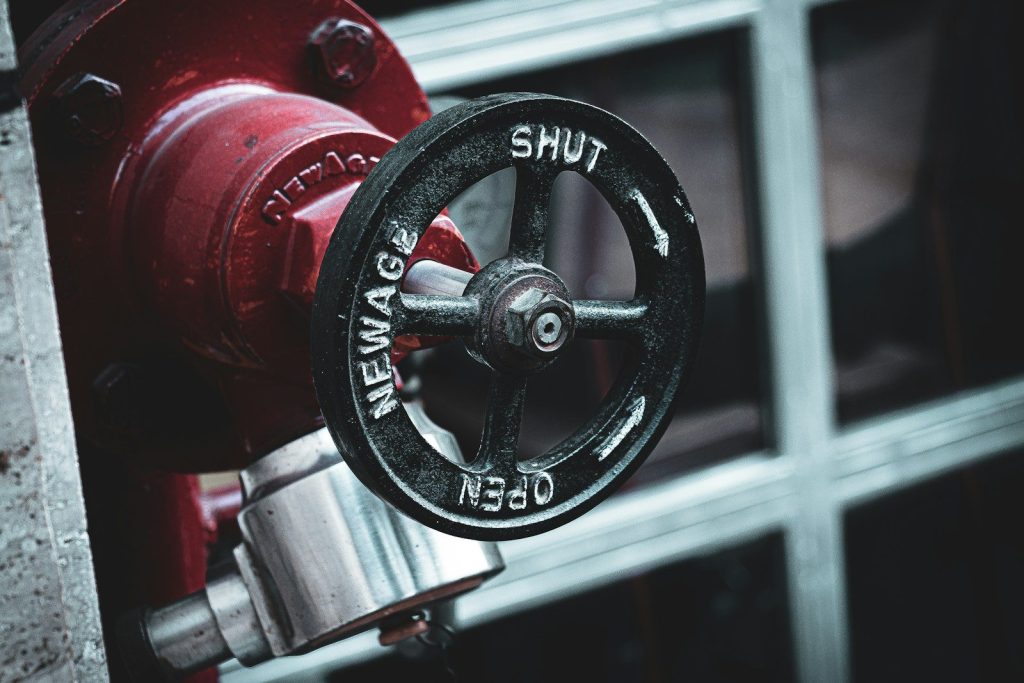
Many homeowners never think about the main shut-off valve until an emergency occurs. Unfortunately, that is often the worst possible time to start looking for it.
Locate the valve in advance and make sure everyone in the household knows where it is. Quick action can dramatically reduce water damage.
Watch What Goes Down the Garbage Disposal
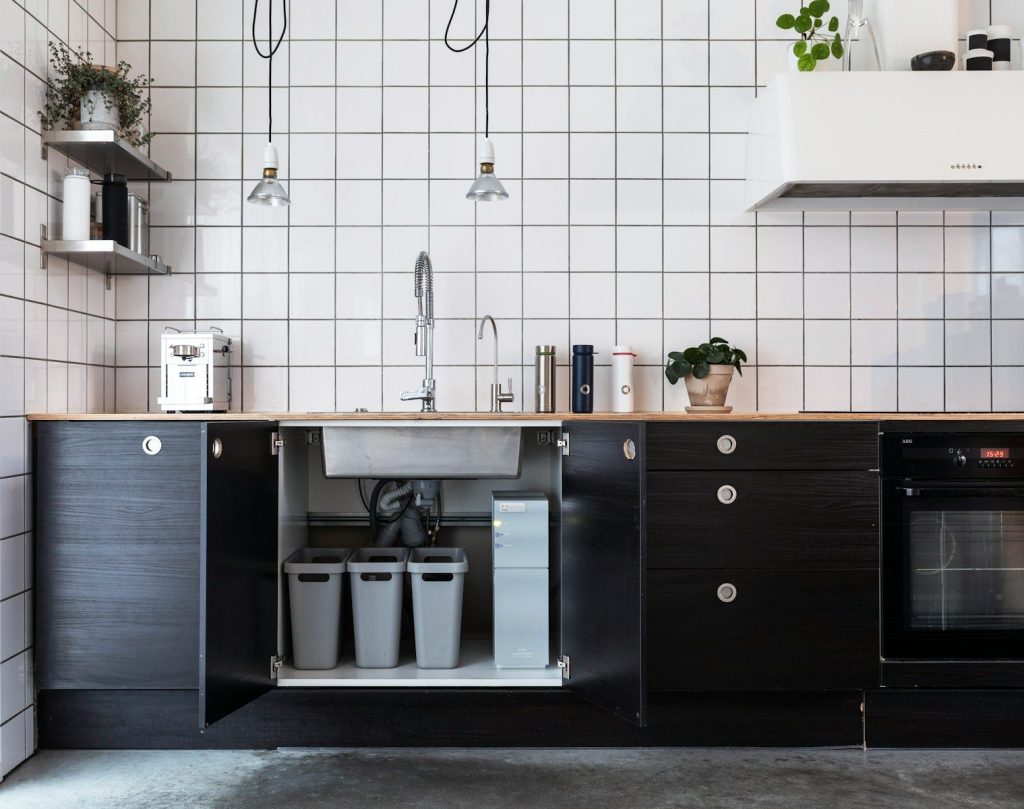
A garbage disposal is helpful, but it is not designed to process every type of food waste. Certain materials can damage components or contribute to clogs.
Be cautious with fibrous foods, large scraps, and hard materials. A little awareness helps keep the system operating efficiently.
Check for Leaks Before They Become Obvious
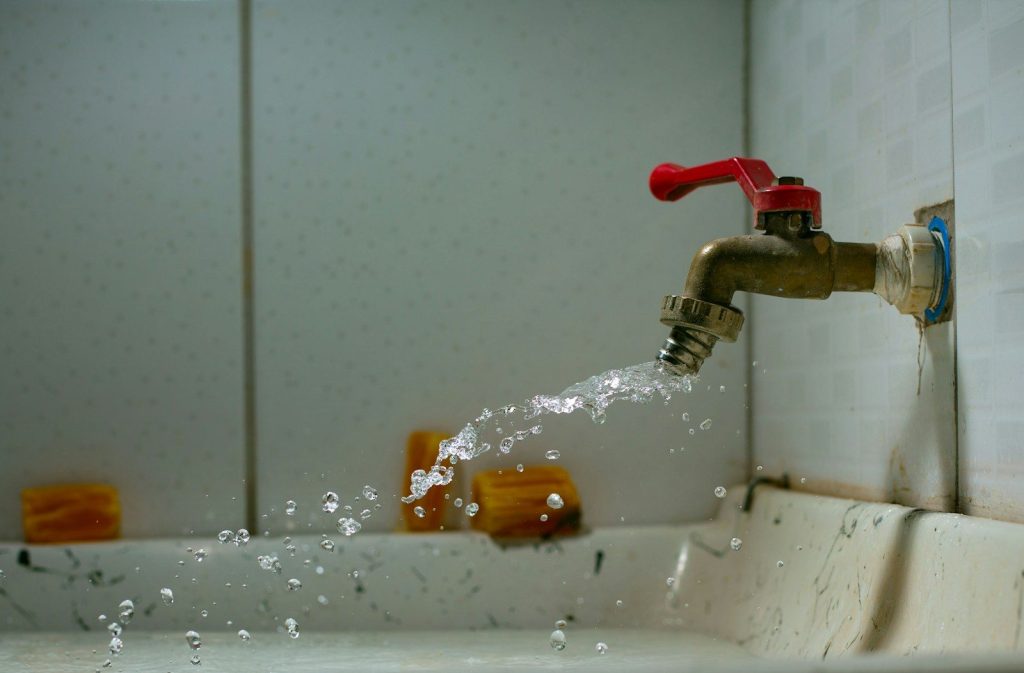
Not every plumbing issue announces itself immediately. Small leaks can remain hidden while quietly causing damage behind walls or under cabinets.
Make occasional inspections part of your routine. Catching a problem early often prevents much larger repair costs.
Avoid Overtightening Plumbing Connections
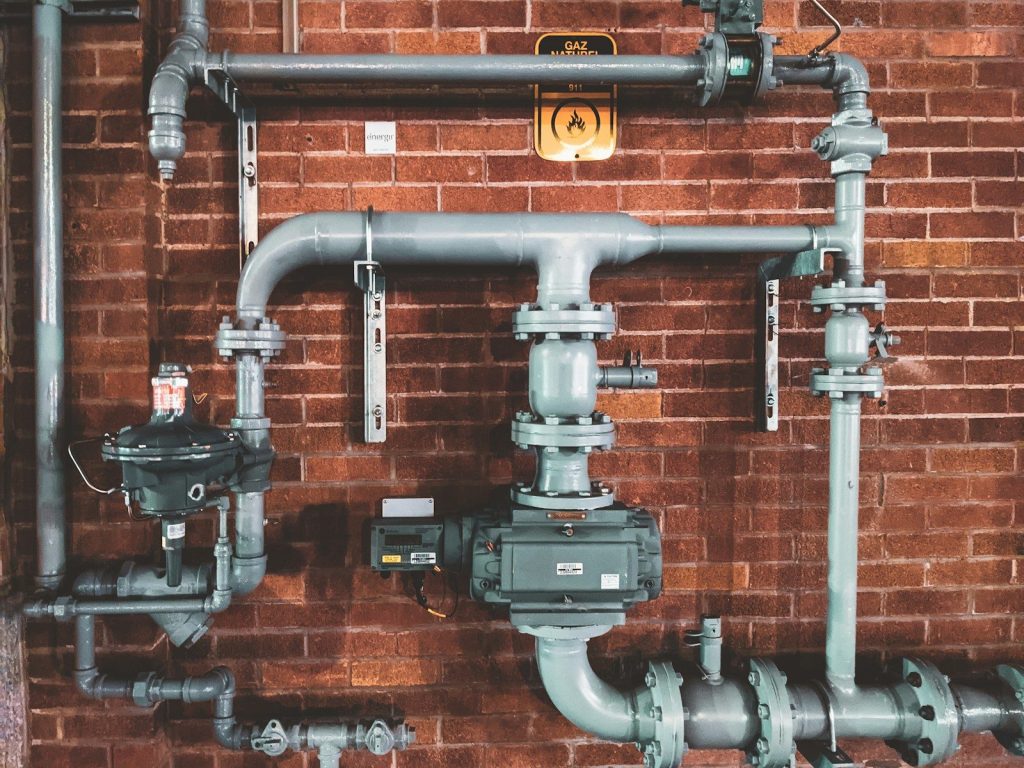
Many people assume tighter always means better when working with plumbing fixtures. Excessive force can actually damage fittings and create future leaks.
Secure connections properly without applying unnecessary pressure. A balanced approach often produces more reliable results.
Give Plumbing Fixtures Routine Attention
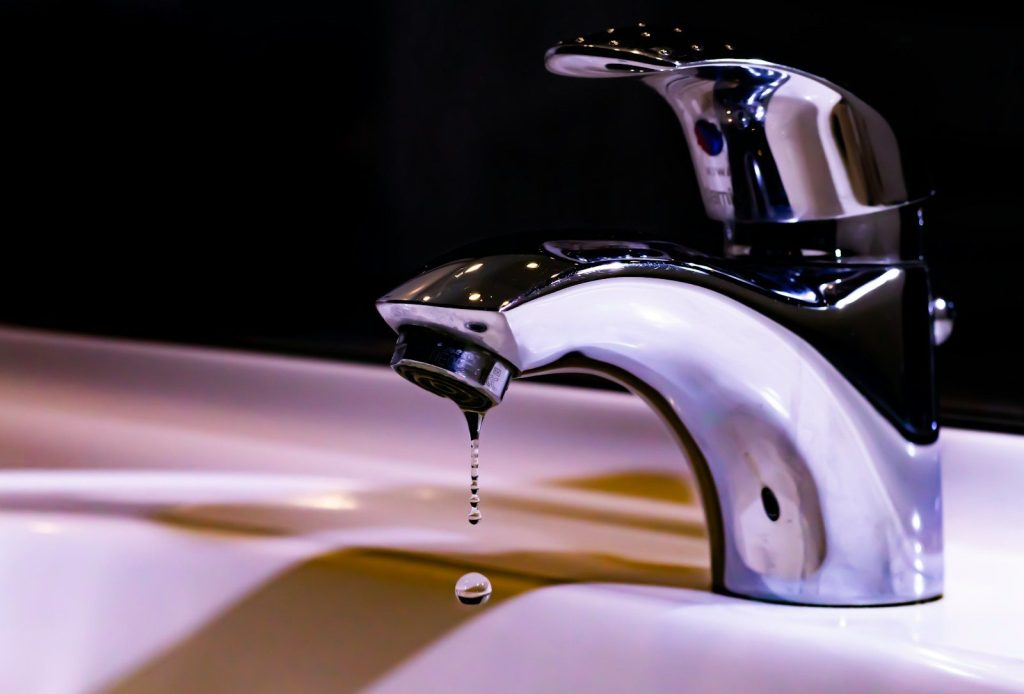
The best plumbing hack is preventing problems before they begin. Small maintenance habits can extend the life of fixtures and reduce unexpected issues.
Take a few minutes periodically to inspect faucets, drains, and exposed pipes. Consistent attention often prevents minor concerns from turning into major repairs.