

Stormy skies can make even seasoned travelers glance nervously out the window. A bright flash nearby is enough to spark questions about what happens if lightning reaches the aircraft.
The surprising truth is that modern airplanes are built with this possibility in mind. These practical tips and little known facts can help replace worry with confidence the next time dark clouds appear outside your seat.
Don’t Assume a Lightning Strike Means Disaster
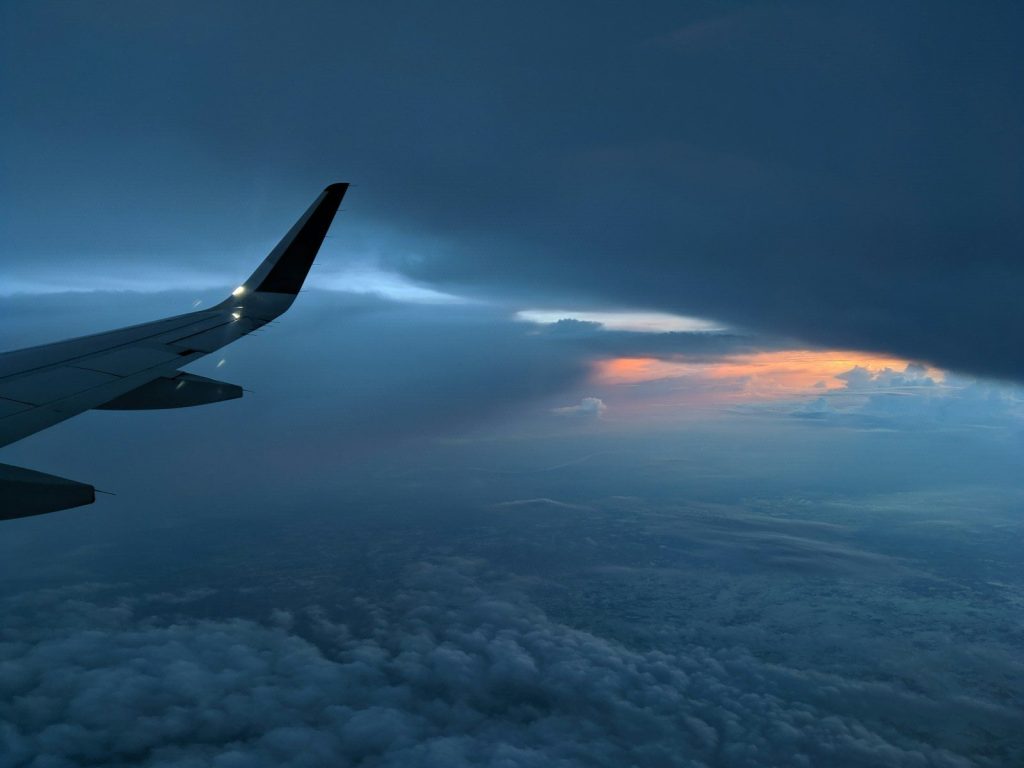
Many travelers picture the worst when lightning flashes around an airplane. In reality, commercial aircraft are designed to handle lightning safely, making these encounters far less dramatic than movies suggest.
A useful travel hack is remembering that lightning strikes are expected events in aviation. Airlines and manufacturers prepare for them long before any plane ever carries passengers.
Know Why the Cabin Stays Protected
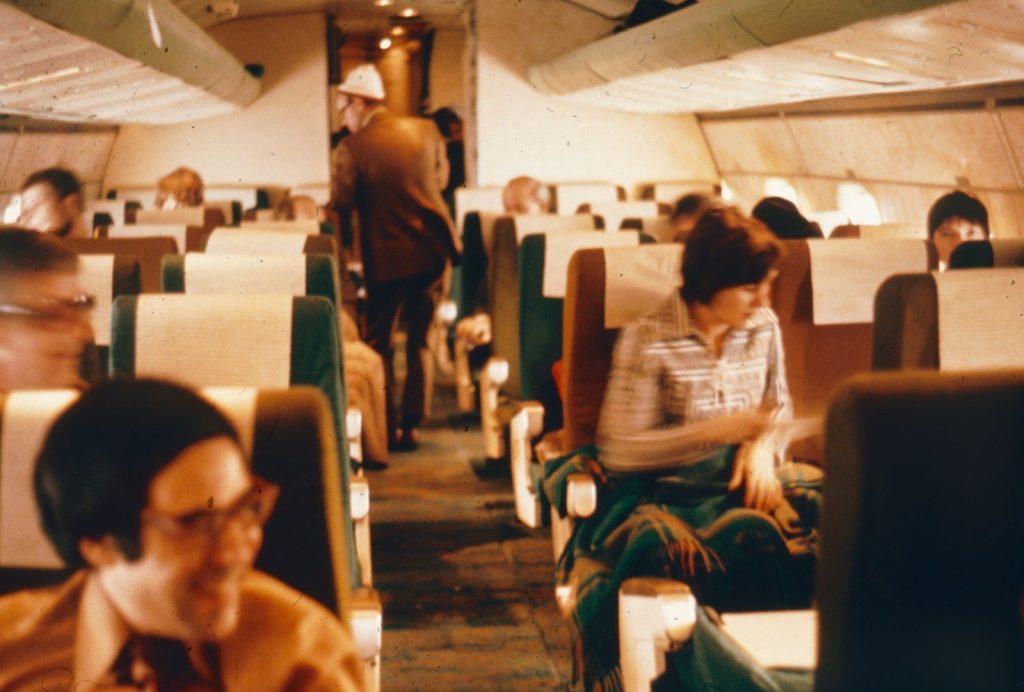
One clever safety feature is hiding in plain sight. The aircraft’s outer shell guides electrical energy around the outside instead of allowing it to travel through the cabin.
That means passengers remain protected while the current enters and exits the plane through its exterior. Understanding this design can make unexpected flashes feel much less alarming.
Expect Inspections After Landing
A smart travel tip is knowing that a safe landing is only part of the process. Even when everything seems normal, maintenance crews carefully inspect the aircraft afterward.
These inspections help verify that no hidden damage occurred. That extra layer of caution is one reason commercial flying continues to maintain such strong safety standards.
Trust the Crew’s Weather Decisions
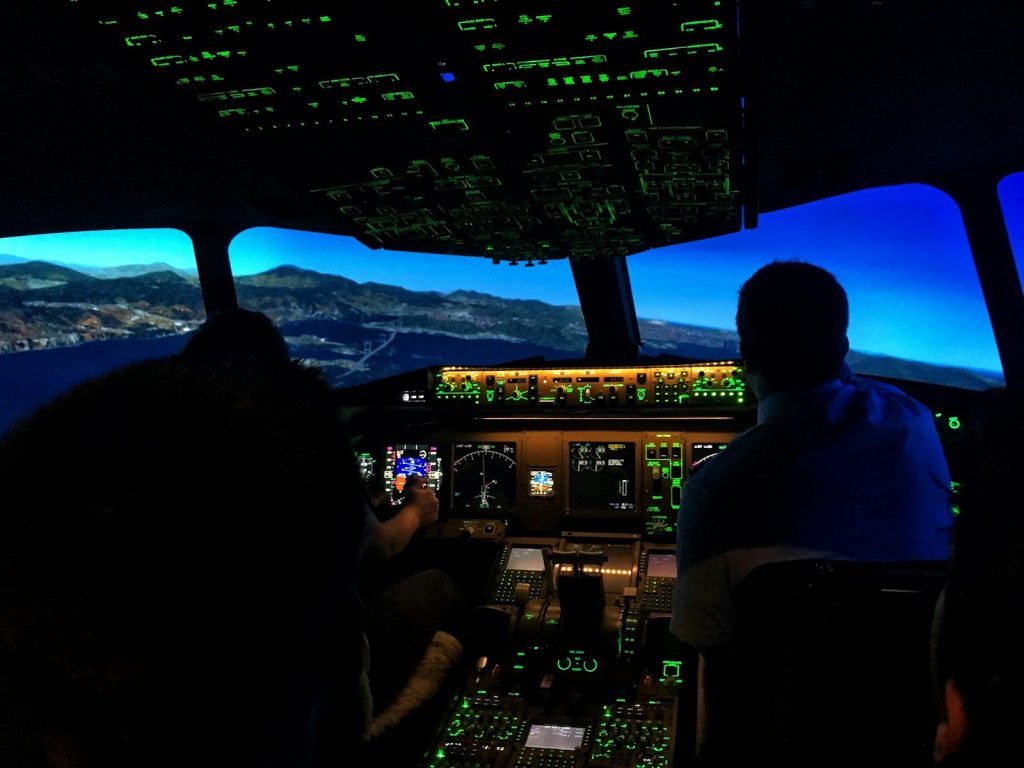
Another helpful insight is that pilots do not intentionally fly through dangerous storm cells just because airplanes can survive lightning.
Flight crews constantly monitor weather and adjust routes whenever practical. Avoiding severe turbulence and extreme conditions remains the priority throughout every journey.
Stay Calm During Bright Flashes
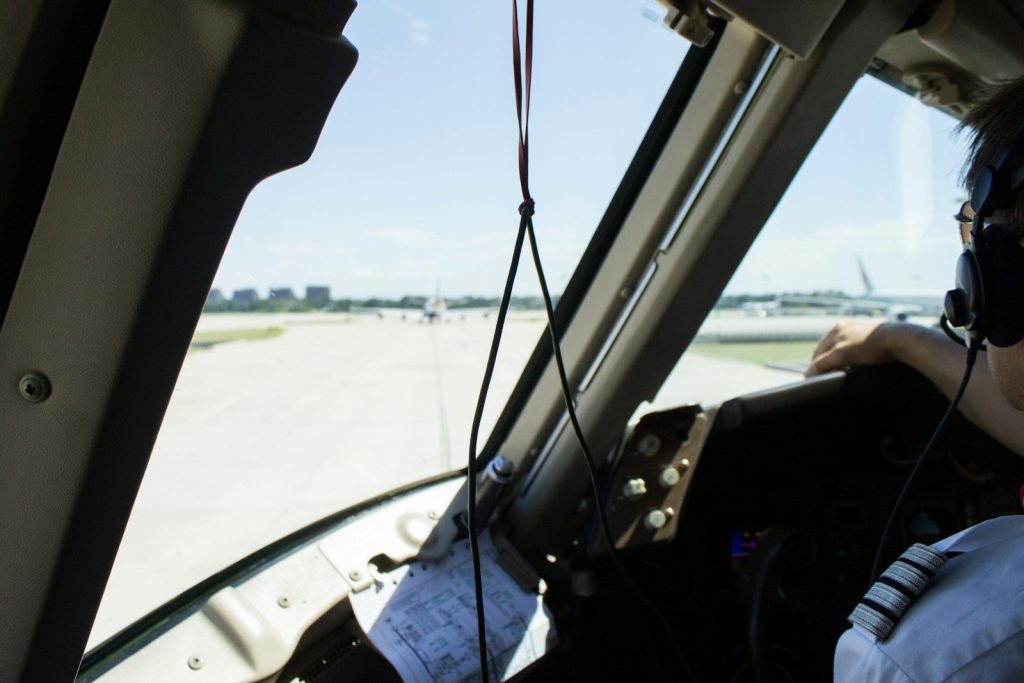
A loud boom or sudden flash can be startling, but panic rarely helps. The best travel habit is staying seated, keeping your seat belt fastened, and following crew instructions.
Flight attendants and pilots train for weather events regularly. Their calm response is usually the strongest clue that the situation remains under control.
Separate Movies From Reality
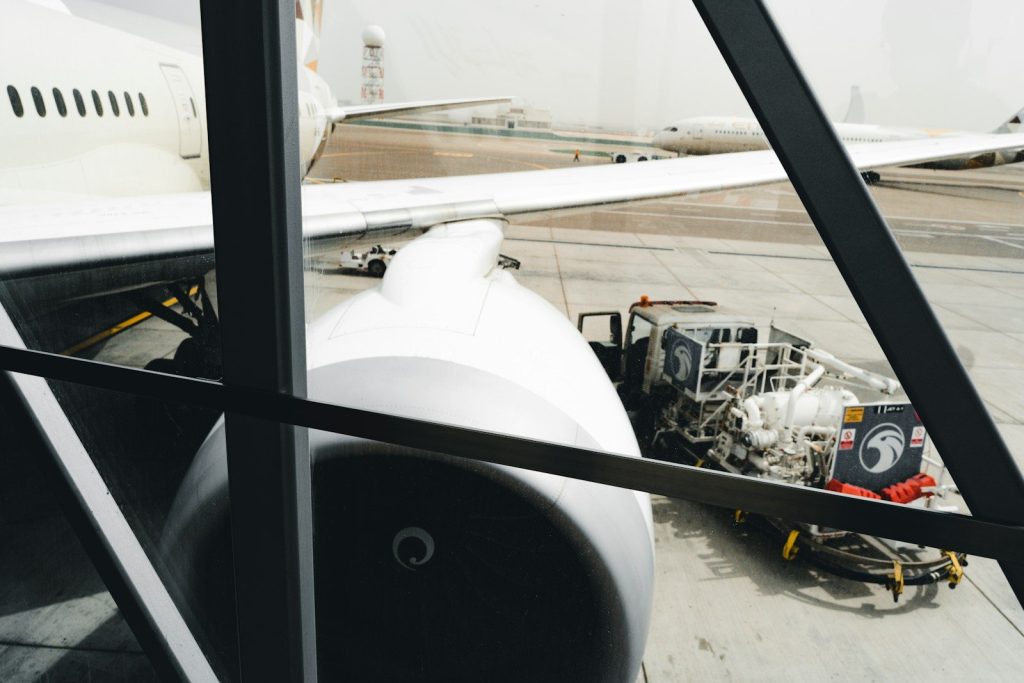
Popular films often show lightning bringing airplanes down instantly. Modern aviation tells a very different story backed by decades of engineering improvements.
Today’s aircraft include protective systems for electronics, fuel tanks, and critical equipment. Those built in safeguards dramatically reduce the risks linked to lightning encounters.
Use Knowledge to Ease Flight Anxiety

One of the simplest travel hacks costs nothing. Learning how airplanes are designed can reduce fear before your next trip begins.
Instead of focusing on dramatic weather outside, remember that lightning protection is part of every commercial aircraft’s design. A little knowledge often turns nervous moments into manageable ones.
Featured Image: By Tao Yuan on Unsplash